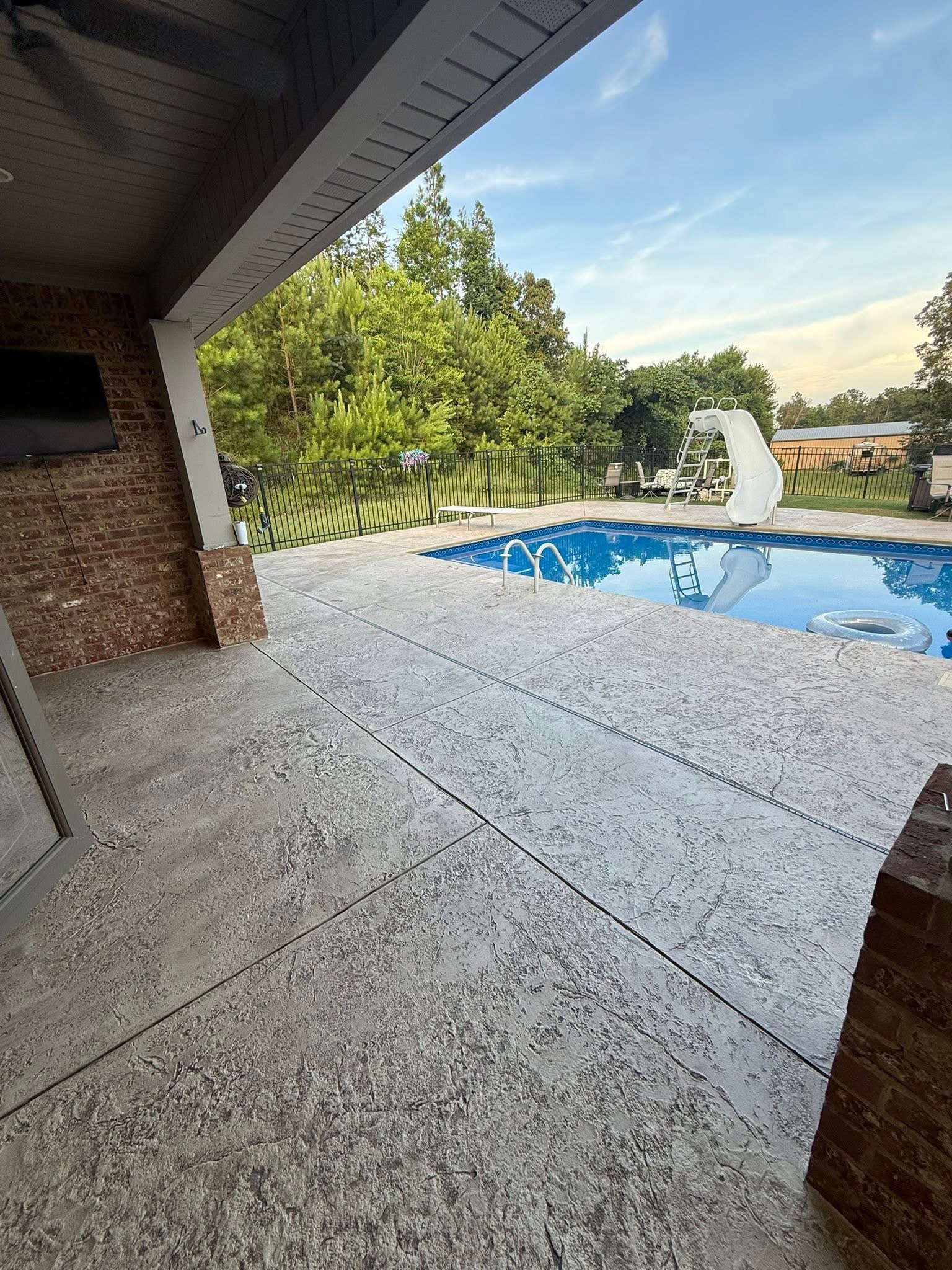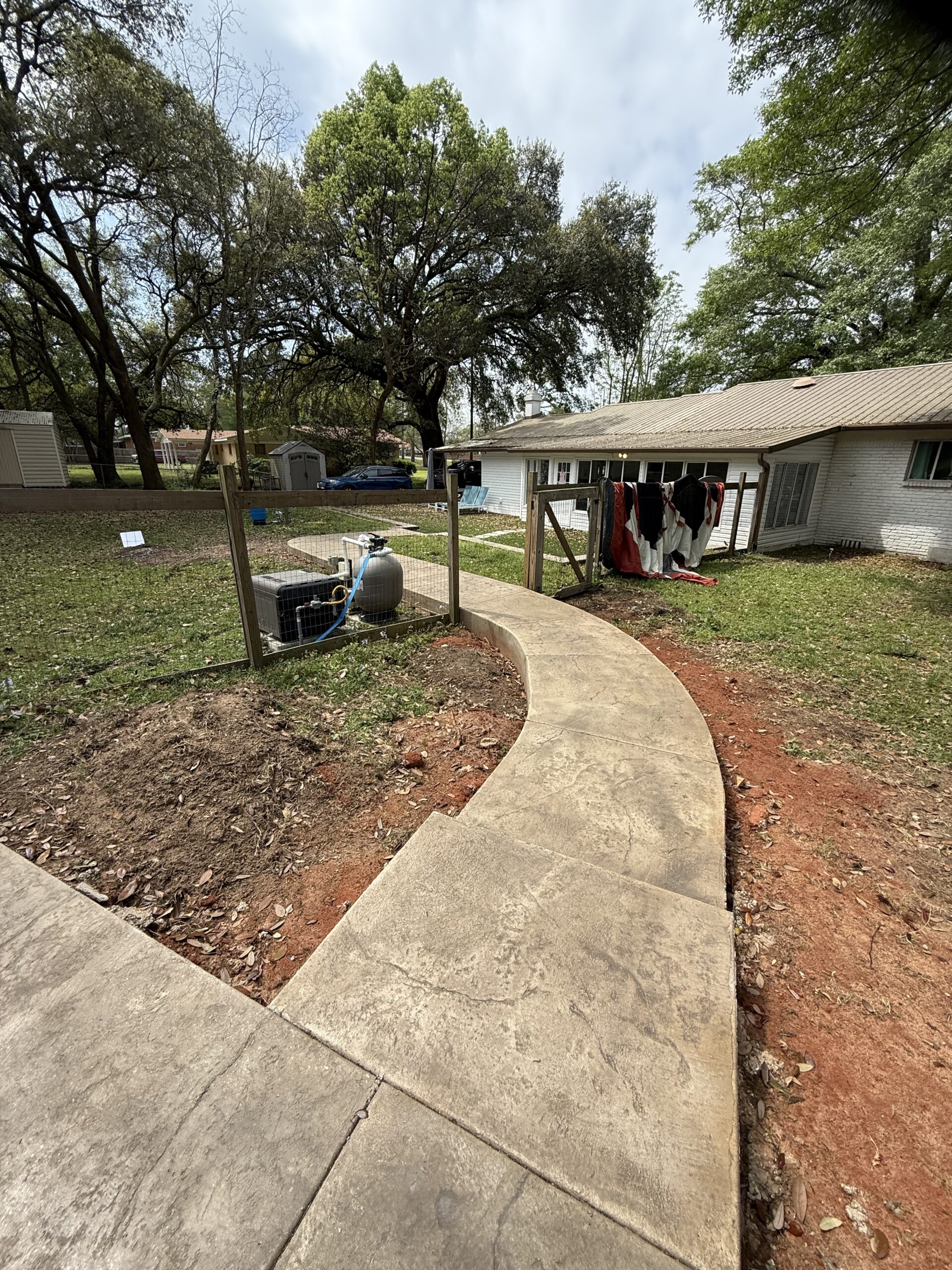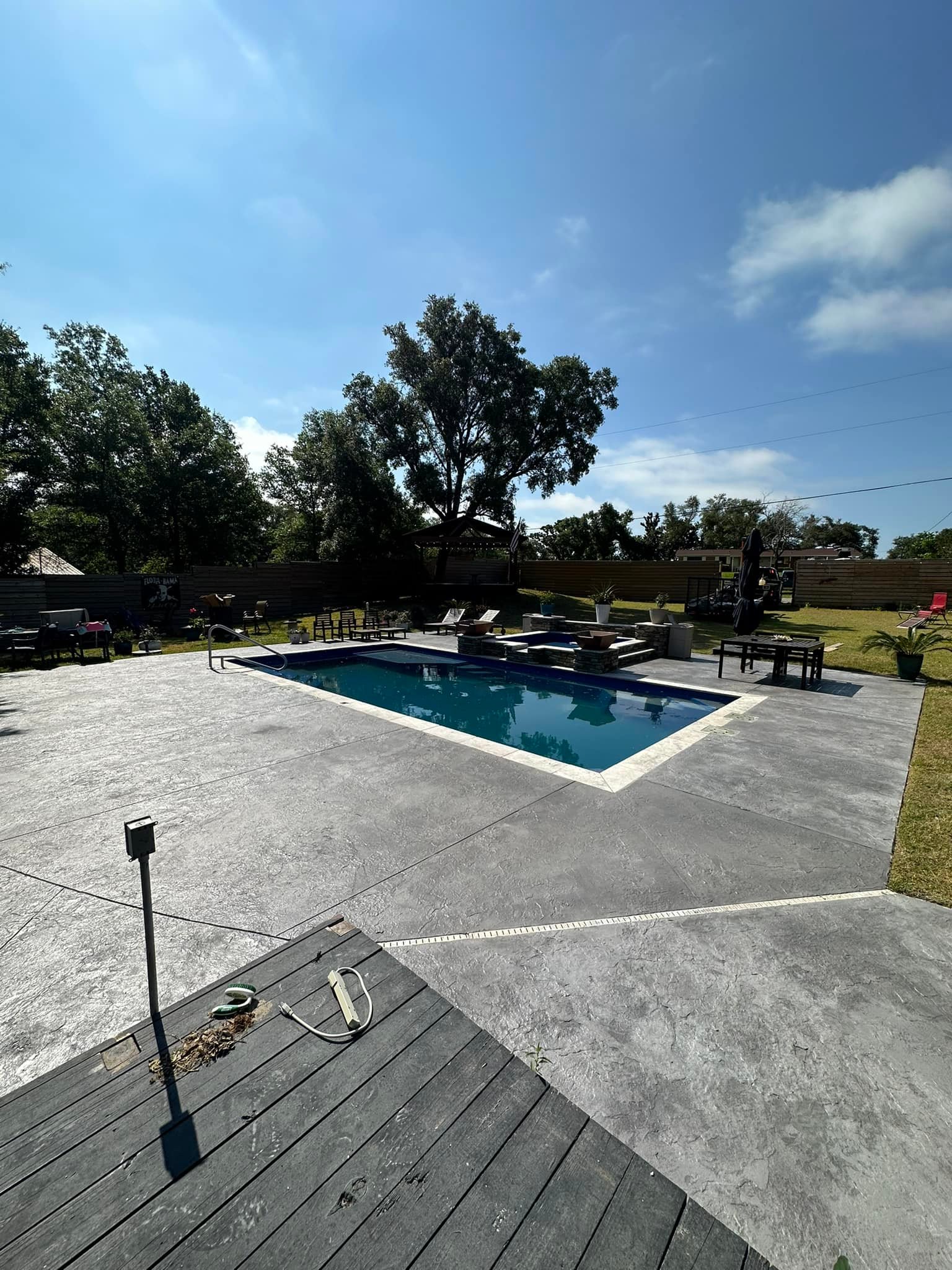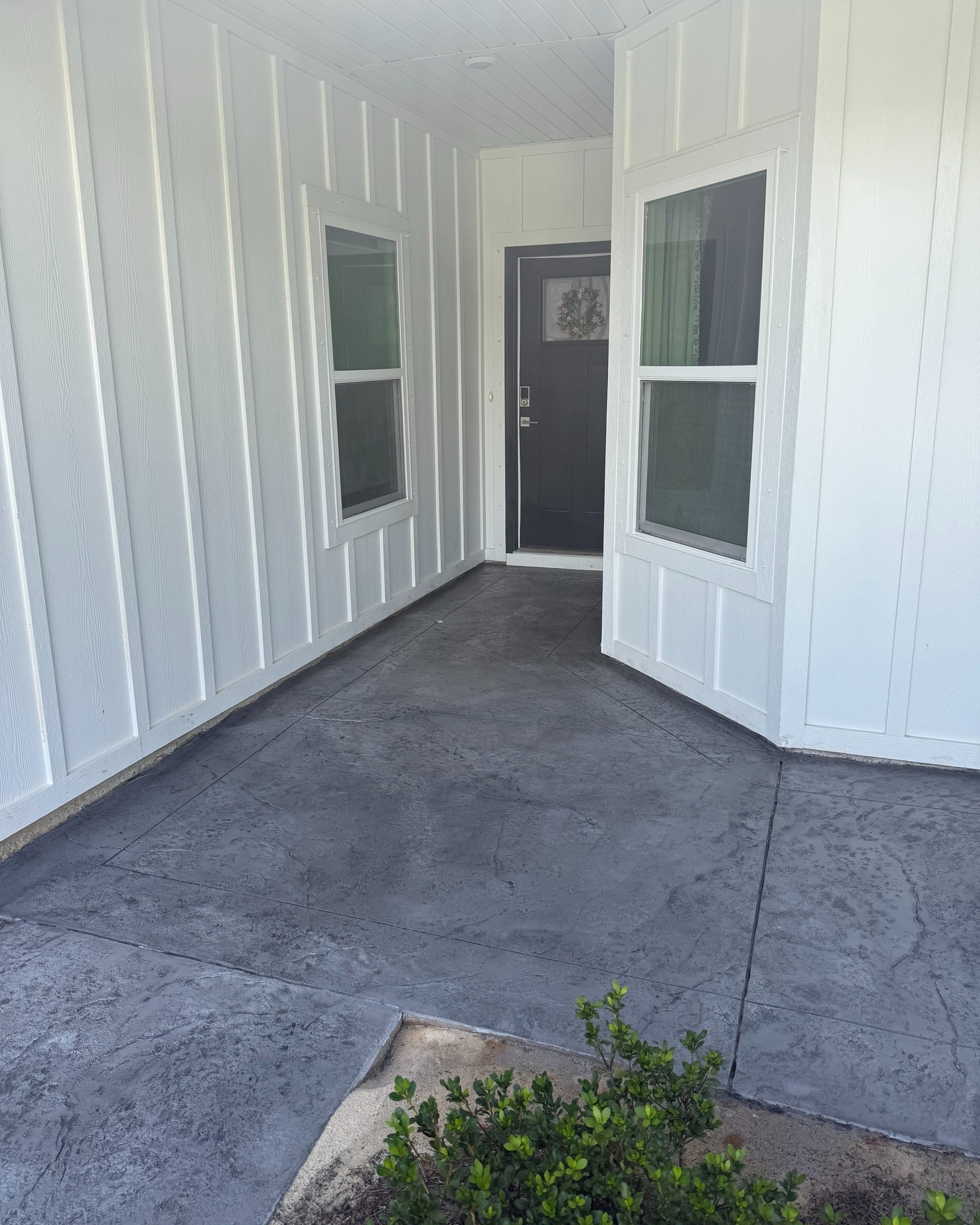
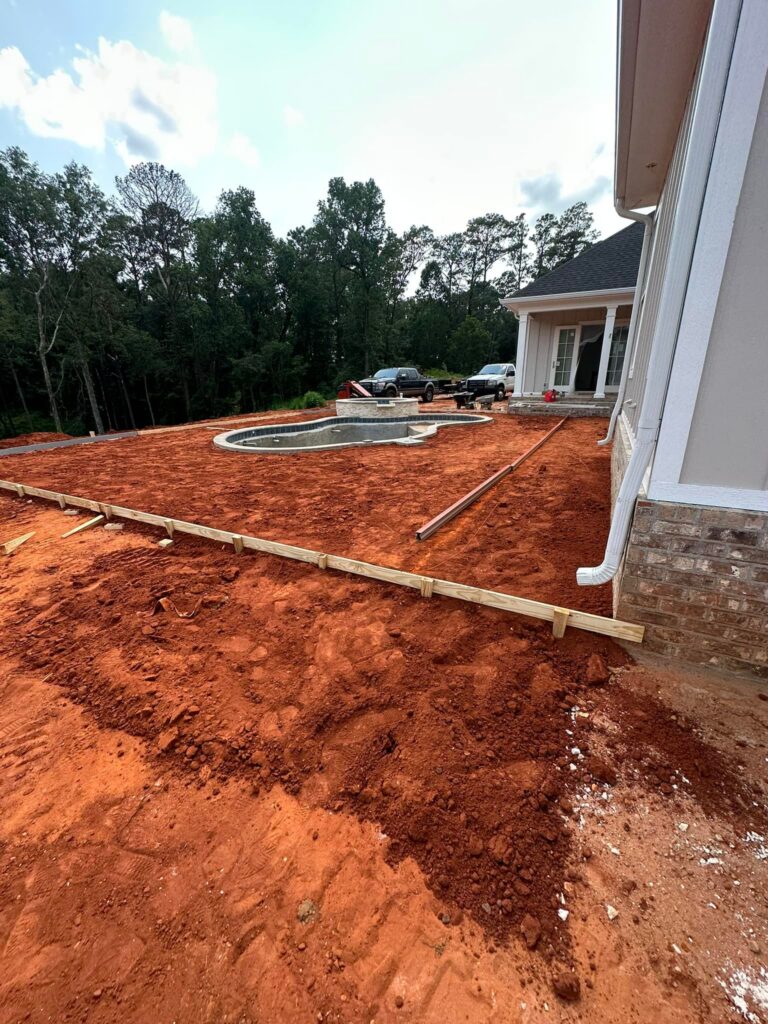
Concrete is one of the most durable and versatile building materials available, but even the strongest mix can fail if the site isn’t properly prepared. Site preparation is a critical step that ensures your concrete project—whether it’s a driveway, patio, walkway, or foundation—remains stable, durable, and long-lasting. Skipping or rushing this step can lead to cracking, settling, drainage issues, and other costly problems. In this blog, we’ll explore why site preparation matters, the steps involved, and tips for ensuring a successful concrete pour.
Why Proper Site Preparation Matters
Concrete is only as strong as the surface it rests on. Even with a high-quality concrete mix, a poorly prepared site can lead to problems such as:
-
Cracking and Settling: Uneven or loose soil can shift under the weight of the concrete, causing cracks or uneven surfaces.
-
Drainage Issues: Improper grading can result in water pooling or erosion, weakening the concrete over time.
-
Reduced Longevity: Concrete that isn’t poured on a stable, well-prepared base may require repairs or replacement sooner than expected.
-
Structural Problems: For larger projects like foundations, inadequate site preparation can compromise the entire structure.
By taking the time to properly prepare the site, you ensure a stable, long-lasting, and visually appealing finished product.
Key Steps in Site Preparation
Proper site preparation involves several crucial steps, each designed to create a solid foundation for your concrete project.
1. Site Assessment and Planning
Before any work begins, a thorough assessment of the site is essential. This includes:
-
Evaluating Soil Type: Different soils have different load-bearing capacities. Clay, sand, and silt each require specific preparation techniques.
-
Identifying Slope and Drainage Patterns: Proper grading prevents water from pooling and ensures water flows away from the structure.
-
Checking for Utilities: Confirming the location of underground utilities prevents costly damage during excavation.
2. Excavation and Clearing
Once the site is assessed, the area must be cleared and excavated:
-
Removing Debris: Rocks, roots, and vegetation must be cleared to prevent interference with the concrete pour.
-
Excavating to the Correct Depth: Depending on the project, excavation ensures a sufficient base for gravel, sand, or compacted soil.
-
Leveling the Ground: Creating a relatively flat surface allows for even concrete placement.
3. Compaction of the Base
A strong concrete base starts with proper compaction:
-
Adding Base Material: Gravel or crushed stone is typically used to create a stable foundation.
-
Compacting the Base: Using a mechanical compactor ensures the base is firm and prevents future settling.
-
Level Checking: Ensuring a uniform surface prevents uneven concrete and cracking.
4. Formwork Installation
Formwork provides the mold for the concrete and holds it in place until it cures:
-
Setting Forms: Wood, metal, or plastic forms define the shape and dimensions of the project.
-
Securing Forms: Properly braced forms prevent bulging or shifting during the pour.
-
Applying Release Agents: These prevent the concrete from sticking to the forms, making removal easier.
5. Reinforcement Placement
For added strength, reinforcement such as rebar or wire mesh is often incorporated:
-
Positioning Rebar or Mesh: Ensures the reinforcement is correctly embedded in the concrete.
-
Spacers and Supports: Maintain the proper distance from the base and edges for maximum effectiveness.
6. Final Grading and Moisture Control
Before pouring concrete, the site must be graded and prepped for moisture control:
-
Slope Verification: Ensures proper water runoff.
-
Moisture Barrier Installation: Plastic sheeting or vapor barriers can prevent water from seeping upward, reducing cracking or weakening.
-
Final Sweep and Cleanup: Remove loose debris or dust to ensure proper bonding of the concrete to the base.
Common Mistakes During Site Preparation
Even small errors during site preparation can have long-term consequences:
-
Skipping Compaction: Leads to settling and cracks over time.
-
Ignoring Drainage: Causes water pooling, erosion, and premature concrete damage.
-
Incorrect Form Placement: Results in uneven or misshaped concrete.
-
Poor Base Material Selection: Weak or unstable materials compromise the concrete’s strength.
-
Rushing the Process: Cutting corners saves time upfront but increases maintenance and repair costs later.
Avoiding these mistakes ensures your concrete project will last for decades with minimal issues.
Benefits of Proper Site Preparation
Investing time and effort in site preparation yields multiple benefits:
-
Longevity: A well-prepared site supports concrete that resists cracking, settling, and wear.
-
Structural Integrity: Proper grading, compaction, and reinforcement enhance strength and durability.
-
Cost Savings: Preventing problems upfront reduces expensive repairs or replacement in the future.
-
Aesthetic Appeal: A level, stable base ensures smooth, visually appealing concrete finishes.
-
Peace of Mind: Knowing your project is built on a solid foundation provides confidence in the final result.
Pro Tips for Homeowners
Even if you hire professionals, understanding site preparation can help homeowners make informed decisions:
-
Work With Experienced Contractors: A skilled team ensures every step—from excavation to reinforcement—is done correctly.
-
Ask About Soil Testing: Knowing soil composition can prevent future issues.
-
Confirm Drainage Plans: Proper grading and runoff solutions protect both concrete and landscaping.
-
Choose the Right Base Materials: Gravel, crushed stone, or sand can significantly affect concrete performance.
-
Plan for Expansion: Proper spacing and control joints allow for natural movement without cracks.
Final Thoughts
Site preparation is the unsung hero of every successful concrete project. Whether you’re installing a driveway, patio, walkway, or foundation, the time and effort spent on preparation directly impact the longevity, durability, and appearance of the finished product. Skipping or rushing this step can lead to costly repairs, uneven surfaces, and frustration.
By understanding the importance of site preparation, homeowners can make informed decisions, avoid common mistakes, and ensure that their concrete projects remain strong and beautiful for decades. With the expertise of a professional team like ProCon, every pour starts on a solid foundation—literally. Proper site prep today protects your investment for years to come.