Outdoor living spaces are becoming increasingly popular as homeowners seek ways to enjoy their yards, entertain guests, and add value to their homes. A well-designed patio or deck can transform a backyard into a stylish, functional retreat, and decorative concrete offers unmatched versatility to make this vision a reality. Unlike traditional concrete, which is often plain and utilitarian, decorative concrete allows for endless creativity in color, texture, and pattern. By incorporating decorative concrete into your outdoor living space, you can combine aesthetics, durability, and low maintenance, creating an area that is both beautiful and practical.
Stamped Concrete: Bringing Natural Elements to Your Patio
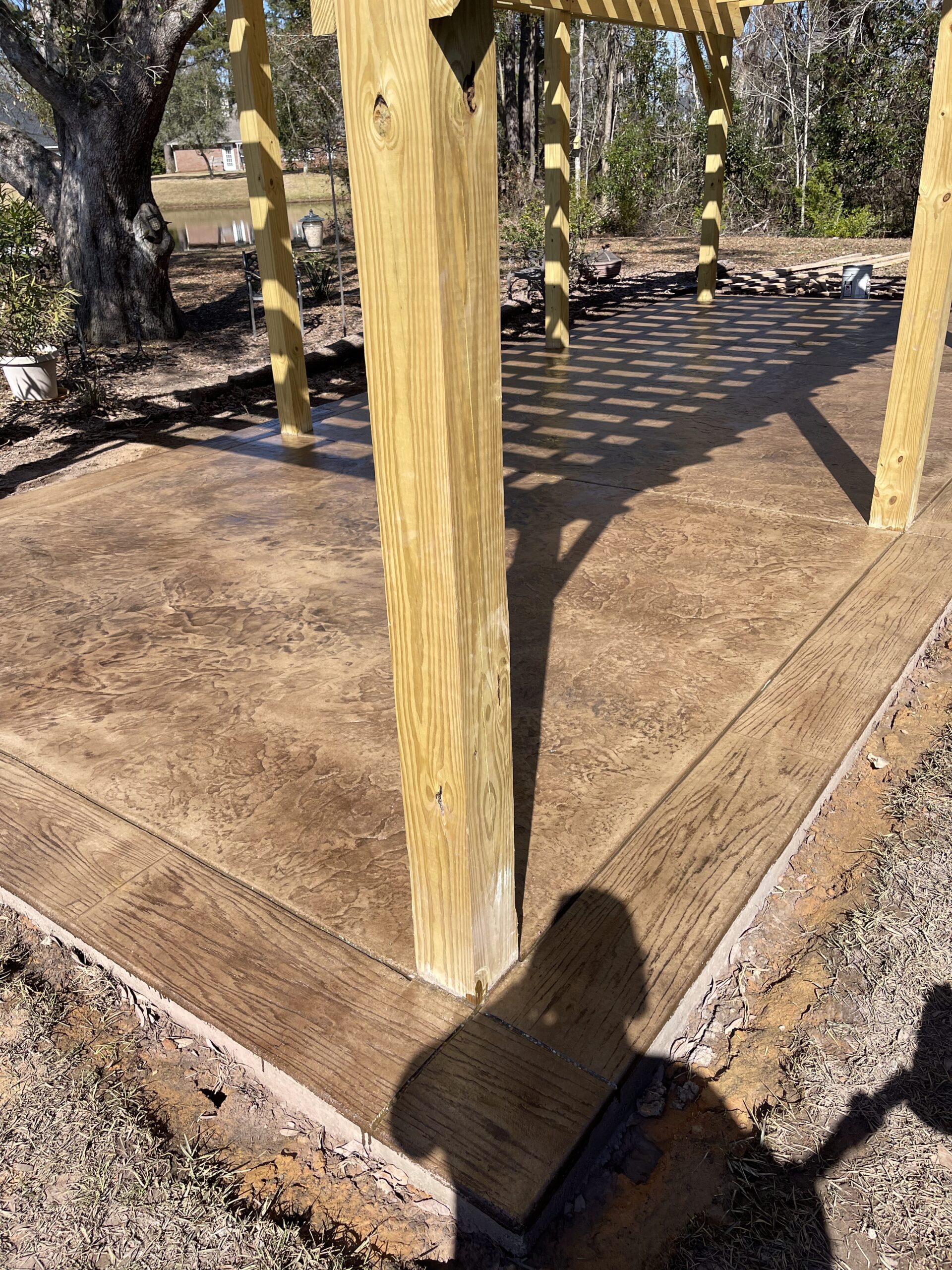
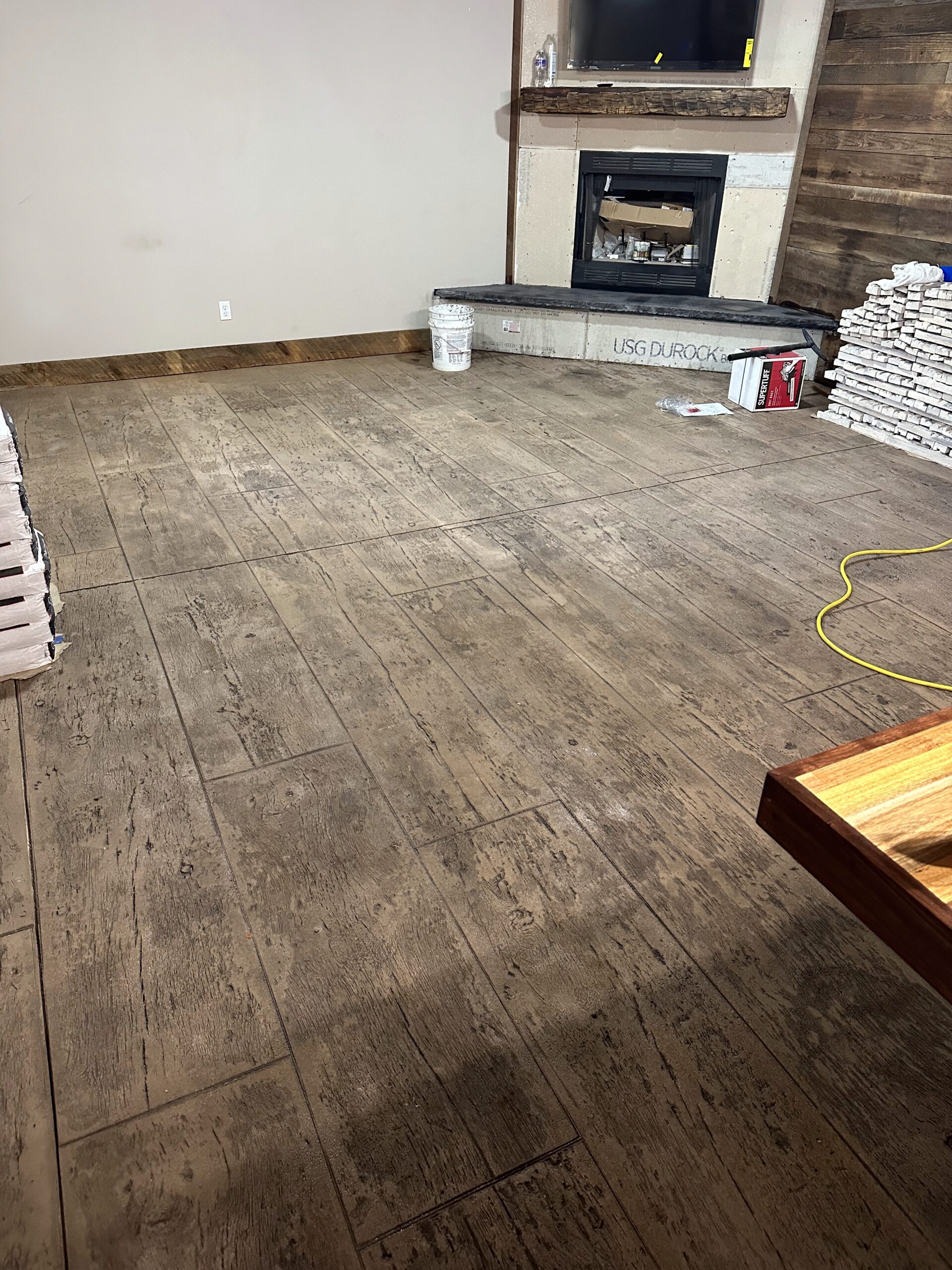
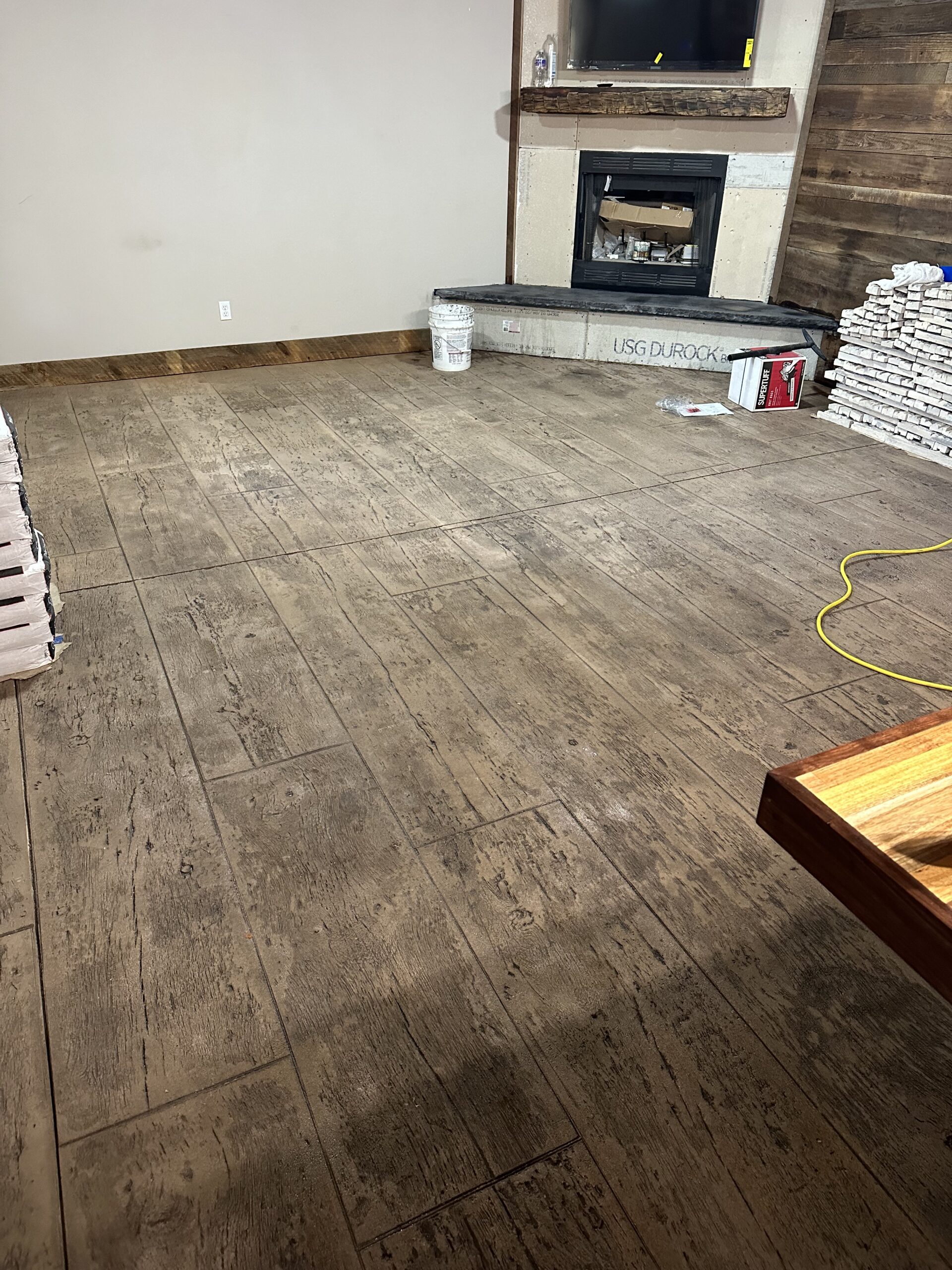
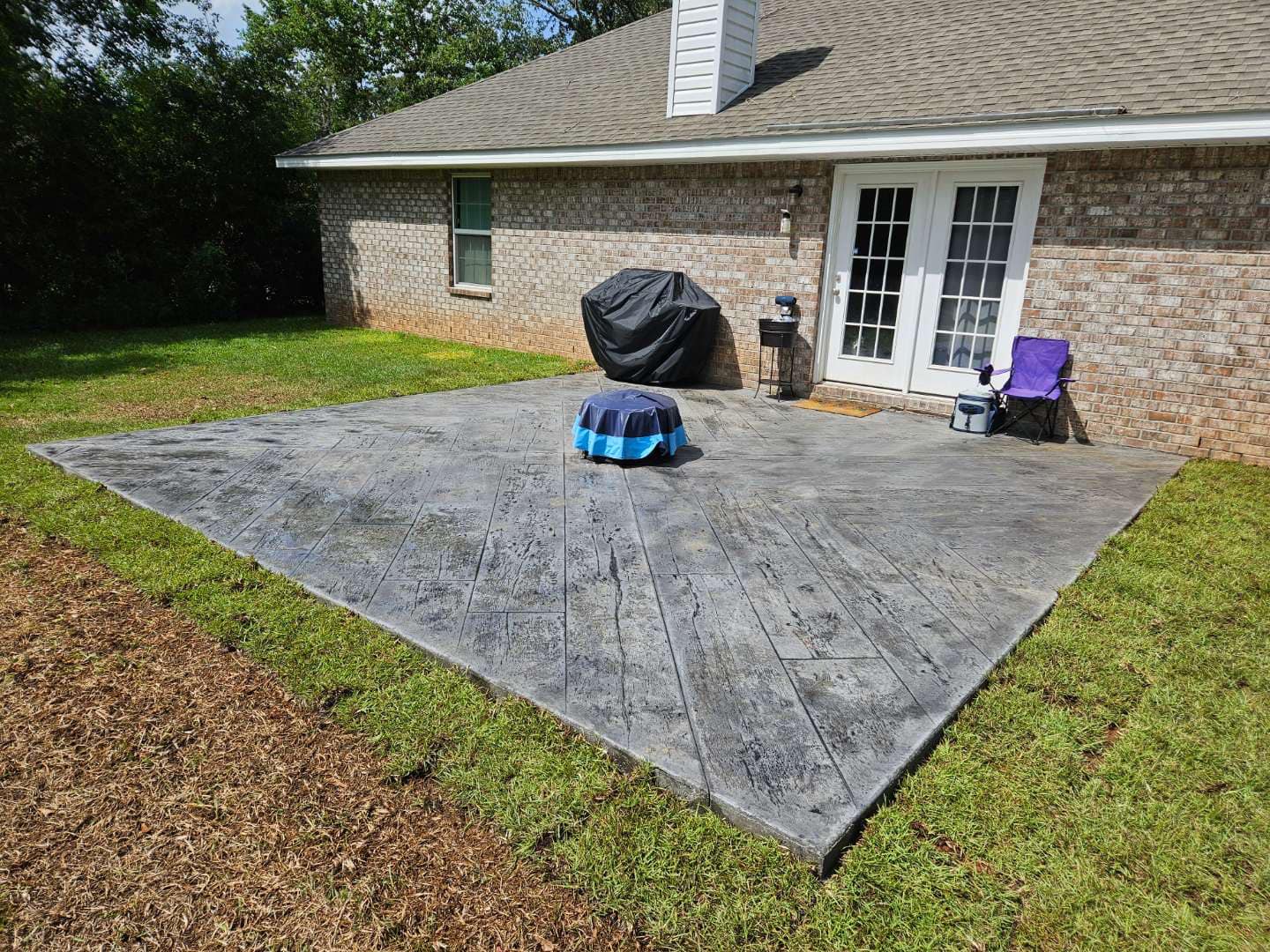
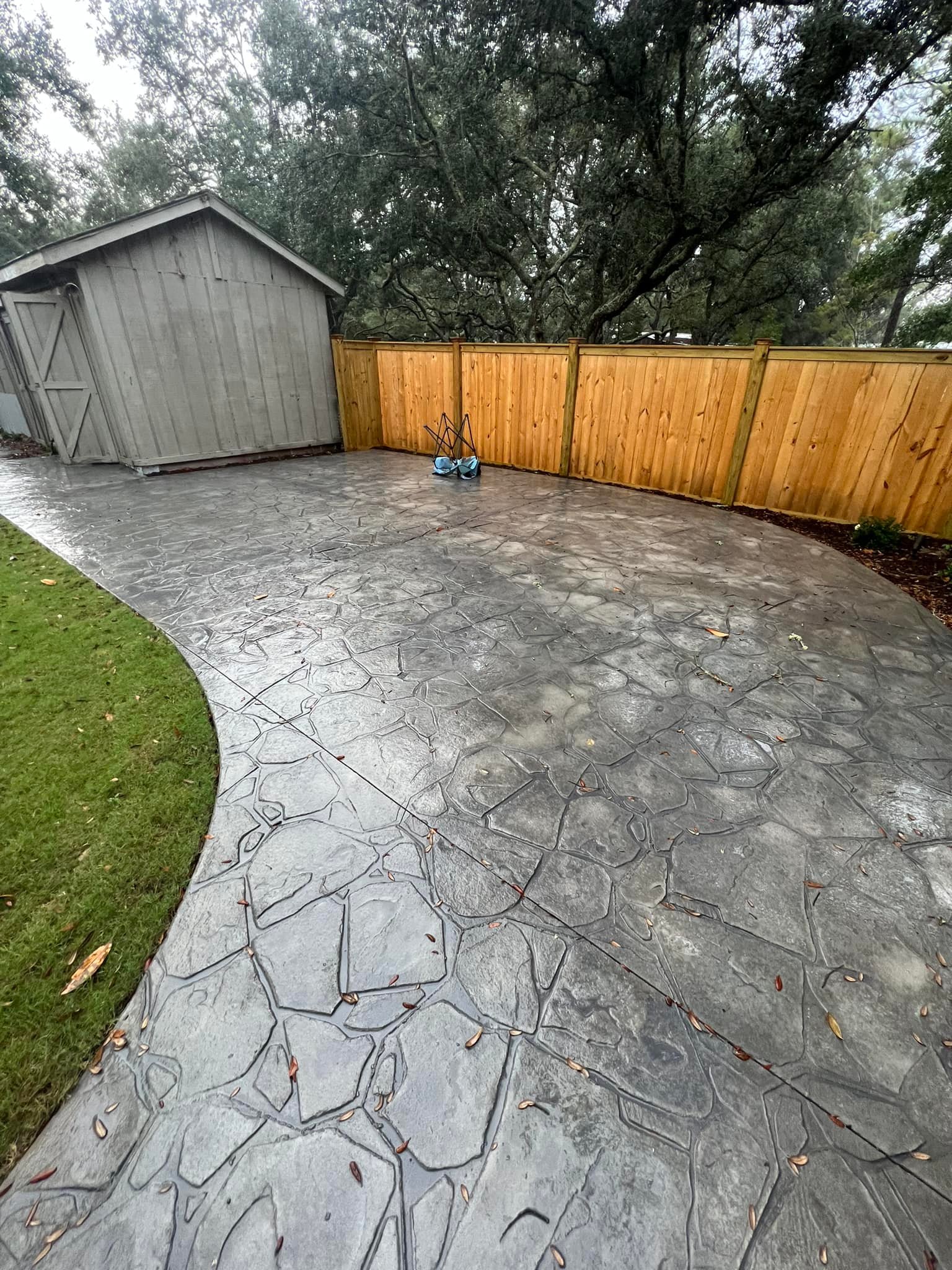
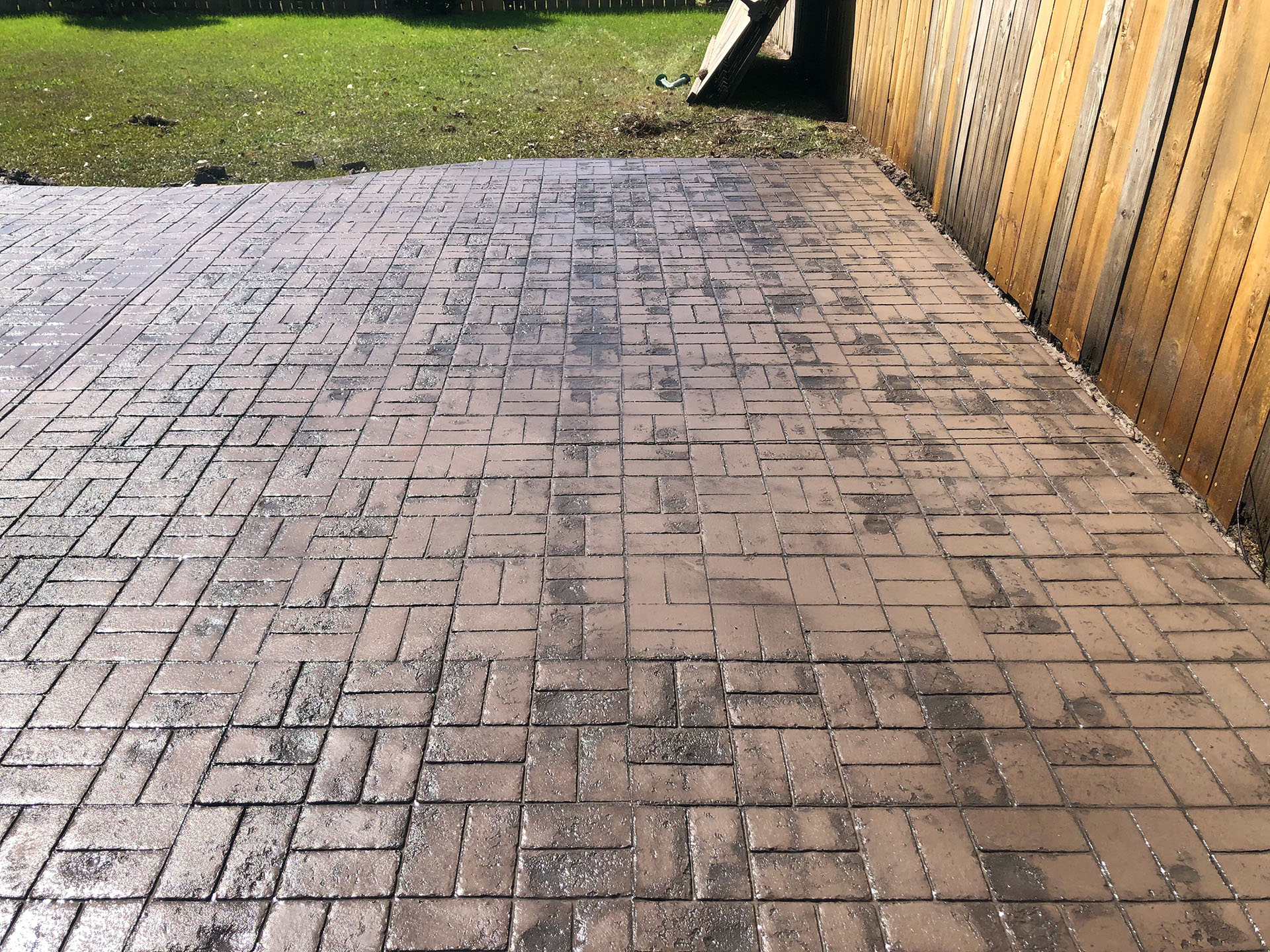
One of the most popular options for decorative concrete is stamped concrete. This technique involves pressing patterns into wet concrete to mimic natural materials such as brick, stone, slate, or tile. Stamped concrete provides the visual appeal of these materials without the cost, weight, or maintenance associated with natural stone or pavers. For patios, stamped concrete allows homeowners to achieve a cohesive, polished look that complements their home’s exterior architecture. From intricate geometric patterns to rustic stone textures, stamped concrete offers endless possibilities for creating a unique and inviting outdoor space.
Colored Concrete: Adding Personality and Style
Color is another element that can transform an ordinary patio into a visually stunning outdoor retreat. Decorative concrete can be tinted in a variety of shades, from soft earth tones to vibrant, bold colors. Homeowners can choose a uniform color or incorporate multiple tones for a more dynamic effect. Color can be used to highlight specific areas, create borders, or define separate zones within the patio. For example, a darker border can frame a lighter central area, drawing attention to a dining or seating space. Colored concrete allows homeowners to express their personal style while enhancing the overall appeal of their backyard.
Textured Concrete: Safety and Aesthetics Combined
Texture is an often-overlooked feature that enhances both the safety and beauty of a patio. Decorative concrete can be finished with a variety of textures to provide traction and reduce the risk of slips, particularly around pool areas or outdoor kitchens. Broom finishes, exposed aggregate, and trowel textures are popular options that create visual interest while ensuring safety. Textured surfaces also add depth and dimension to a patio, making it feel more inviting and integrated with the surrounding landscape. The combination of aesthetics and functionality makes textured decorative concrete an excellent choice for outdoor living areas.
Decorative Borders and Inlays: Adding Unique Touches
For homeowners seeking a more customized look, decorative borders and inlays provide opportunities to showcase creativity. Borders can frame patios, walkways, or pool decks, providing contrast and defining the space. Inlays, which are patterns or designs embedded into the concrete surface, can add artistic elements such as medallions, geometric shapes, or themed designs. These details make an outdoor space stand out and give it a professional, high-end appearance. By incorporating borders and inlays, homeowners can personalize their patio and create a space that reflects their taste and lifestyle.
Combining Concrete with Other Materials
Decorative concrete can also be paired with other materials to enhance the visual appeal and functionality of an outdoor living space. Stone, brick, wood, or pavers can be integrated with concrete to create contrast, texture, and variety. For example, a concrete patio with a natural stone border or a wooden deck accent can produce a sophisticated, layered look. Combining materials allows homeowners to define different areas, such as seating, dining, or fire pit zones, while maintaining a cohesive design. This flexibility ensures that decorative concrete can fit seamlessly into any backyard layout or landscape design.
Outdoor Kitchens and Entertainment Areas
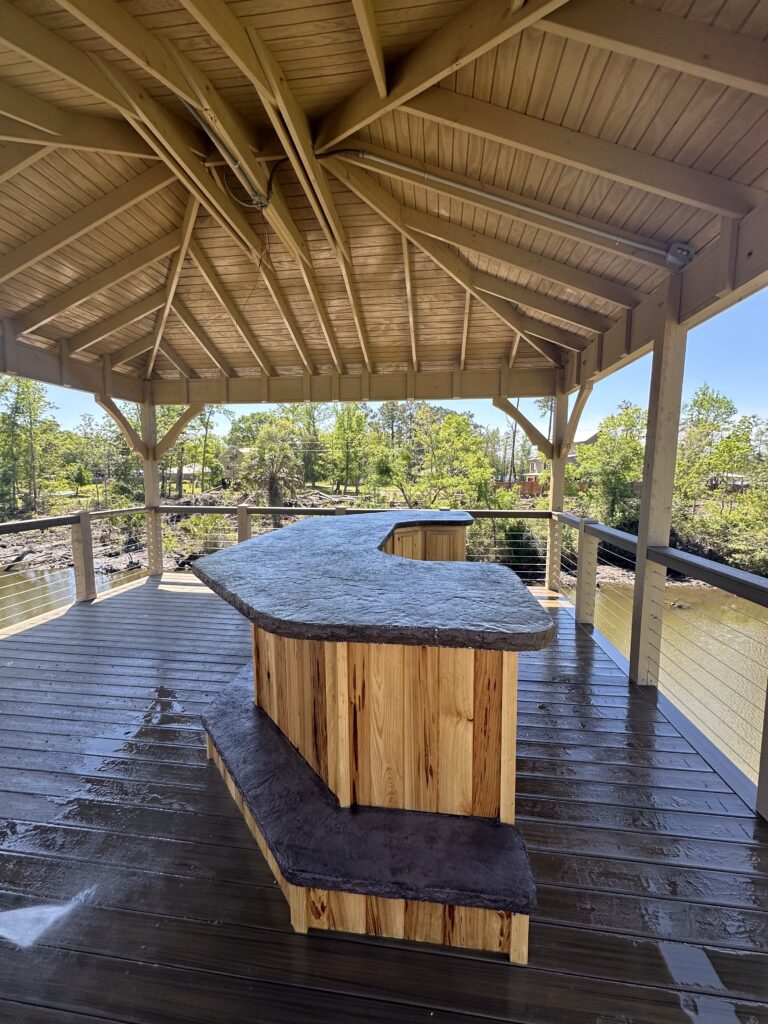
Decorative concrete is not limited to patios alone; it can also enhance outdoor kitchens and entertainment areas. Concrete countertops, bar tops, and flooring can be customized with colors, stains, and textures to match the overall design of the patio. Concrete is durable and heat-resistant, making it ideal for cooking and dining areas. With the right design, homeowners can create a fully integrated outdoor living space that is both functional and visually striking. Decorative concrete allows for creative layouts, such as incorporating seating areas, fire pits, or planters directly into the patio design.
Pool Decks and Surrounding Areas
Pool decks are another area where decorative concrete truly shines. Beyond aesthetic appeal, concrete provides a slip-resistant, durable surface that can withstand sun, water, and chemicals. Stamped, stained, or textured concrete can create a resort-like atmosphere, transforming a backyard pool into a luxurious retreat. Homeowners can choose colors and patterns that complement the pool design, landscape, and surrounding patio areas. Decorative concrete around a pool not only enhances safety and durability but also creates a visually cohesive outdoor living space that feels elegant and inviting.
Low Maintenance and Longevity
In addition to its design versatility, decorative concrete offers practical benefits that make it ideal for outdoor living spaces. Unlike wood decks, which require regular staining and sealing, or pavers, which can shift and need ongoing maintenance, decorative concrete is long-lasting and low-maintenance. Periodic cleaning and sealing are generally sufficient to maintain its appearance, and it can withstand heavy use, harsh weather, and UV exposure without deteriorating. The combination of beauty, durability, and low maintenance ensures that homeowners can enjoy their outdoor spaces for years with minimal effort.
Cost-Effective Customization
While decorative concrete may have a higher upfront cost than plain concrete or basic pavers, it offers significant long-term value. The customization options, durability, and low maintenance requirements make it a cost-effective investment for outdoor living spaces. Homeowners can achieve high-end, designer looks without the expense of natural stone, brick, or tile. By choosing decorative concrete, homeowners combine aesthetic appeal with practicality, creating an outdoor space that enhances lifestyle and property value simultaneously.
Enhancing Curb Appeal and Property Value
A well-designed patio or outdoor living space using decorative concrete can significantly improve a home’s curb appeal. First impressions matter, and a beautifully crafted patio, walkway, or pool deck can elevate the overall appearance of the property. This increased aesthetic appeal can also enhance resale value, making decorative concrete an investment that pays off both in enjoyment and financial terms. By selecting patterns, colors, and textures that complement the home’s exterior, homeowners can create a harmonious and inviting outdoor environment.
Conclusion
Decorative concrete offers endless possibilities for transforming patios and outdoor living spaces into stylish, functional, and durable areas. Stamped patterns, colors, textures, borders, inlays, and material combinations allow homeowners to customize their patios to reflect their personal taste and lifestyle. Beyond aesthetics, decorative concrete provides safety, longevity, low maintenance, and cost-effective customization that surpasses traditional surfaces. Whether for a patio, pool deck, outdoor kitchen, or entertaining area, decorative concrete allows homeowners to create outdoor spaces that are visually stunning, practical, and built to last. Investing in decorative concrete is more than a design choice; it is a way to enhance your lifestyle, enjoy outdoor living, and add value to your home for years to come.