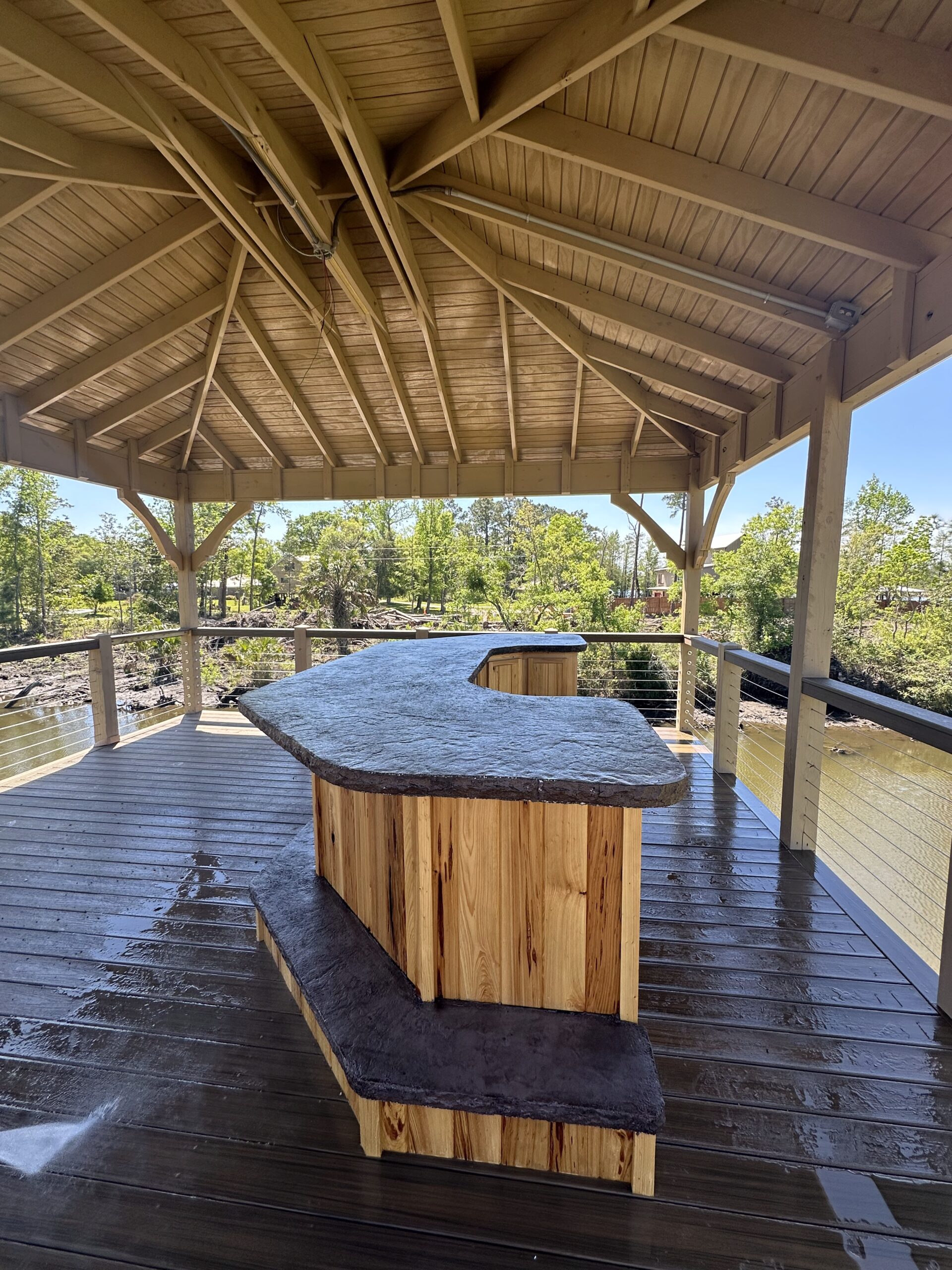
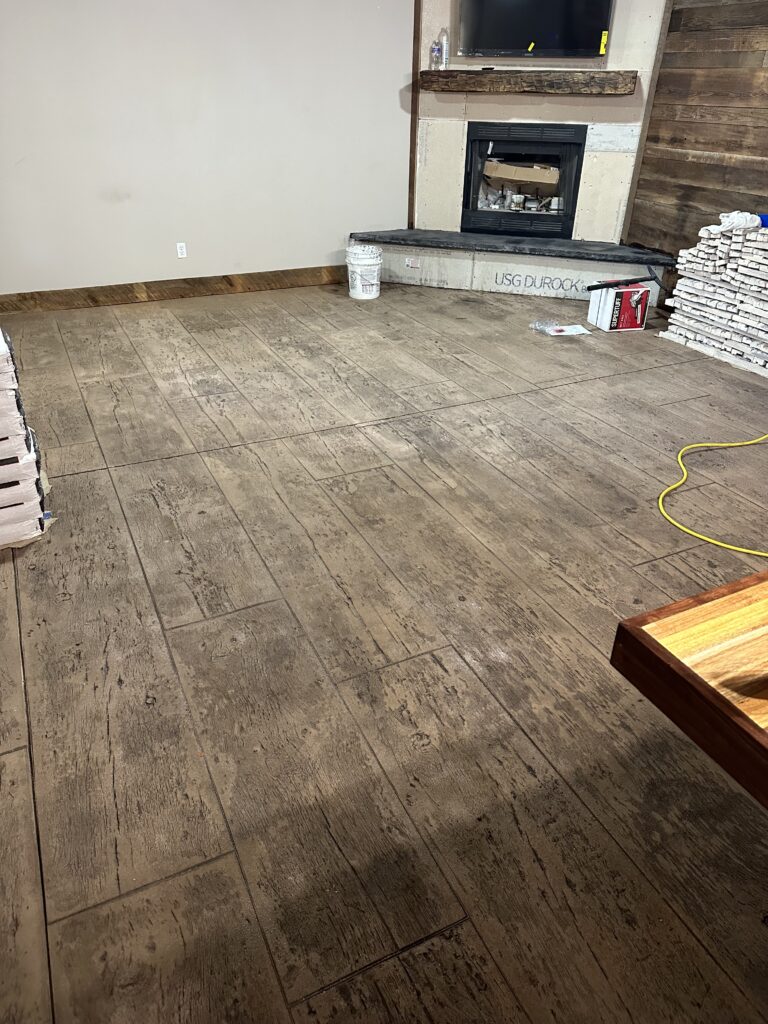
Concrete has come a long way from being just a gray, utilitarian surface used in foundations, driveways, and sidewalks. Today, decorative concrete is redefining the possibilities of modern design, adding beauty, texture, and personality to spaces both indoors and out. Whether it’s a polished showroom floor, a stamped patio that mimics natural stone, or acid-stained walkways that burst with color, decorative concrete offers a unique blend of durability and style that appeals to homeowners, designers, and contractors alike.
What Is Decorative Concrete?
Decorative concrete is concrete that has been enhanced through a variety of finishing techniques to create visually appealing surfaces. Unlike traditional gray concrete that’s typically hidden under carpet, tile, or paint, decorative concrete is meant to be seen and admired. It incorporates color, texture, and design into the surface to produce finishes that range from rustic and natural to sleek and modern.
There are many ways to achieve decorative effects with concrete. Some of the most popular methods include stamping, staining, scoring, polishing, and overlaying. Each technique brings a distinct look and feel, allowing for endless customization. Homeowners can use decorative concrete to match a desired aesthetic, blend seamlessly with existing architecture, or create bold, artistic statements.
Benefits Beyond Beauty
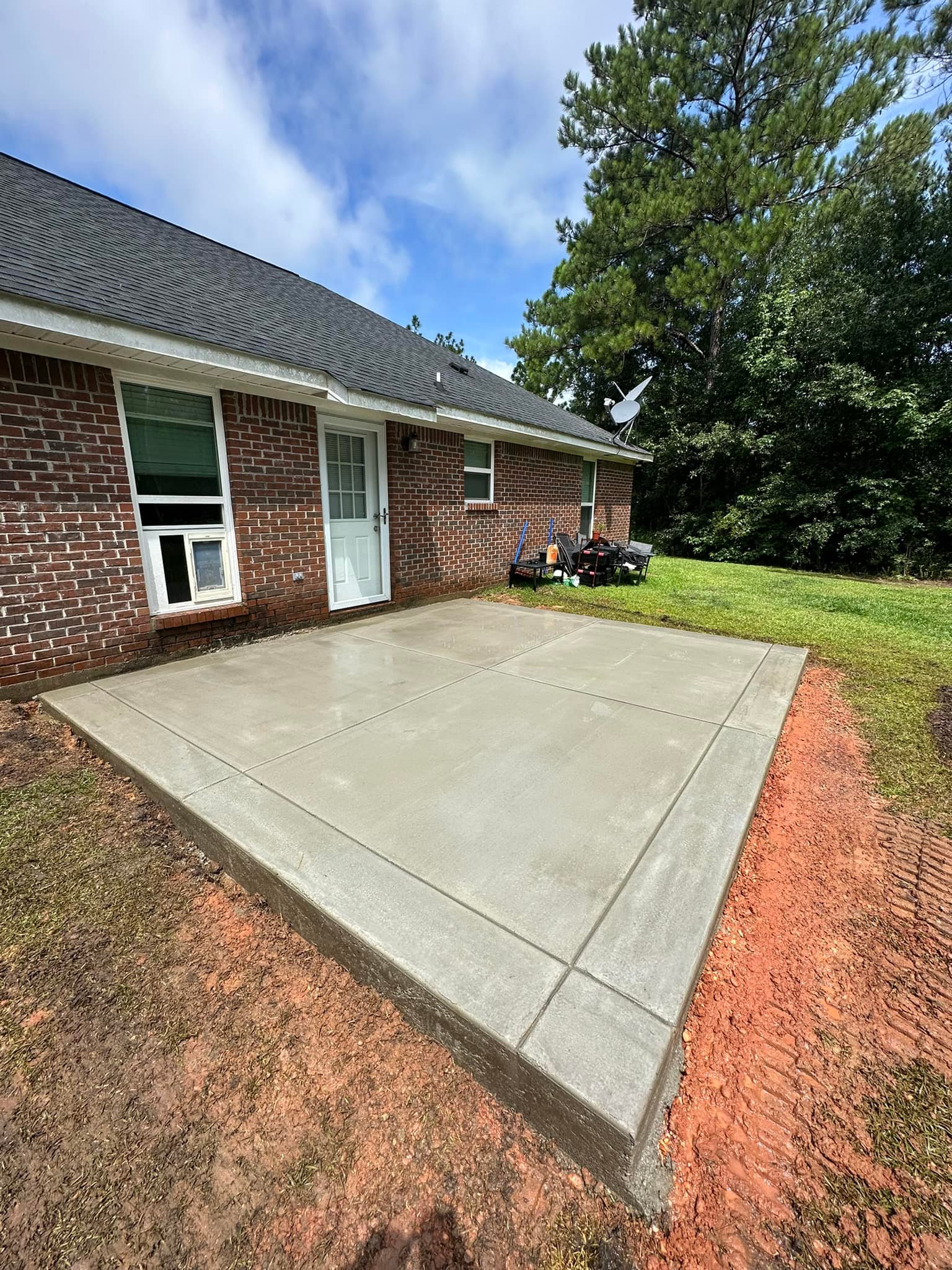
Decorative concrete doesn’t just look good—it offers a wide range of benefits that make it a smart investment. First and foremost, it retains the inherent strength and longevity of concrete. It can withstand heavy foot traffic, weather extremes, and daily wear and tear with ease. In areas like patios, driveways, and pool decks, this durability is especially valuable.
Another key advantage is low maintenance. Once sealed, decorative concrete resists stains, mold, and moisture damage. Regular cleaning is usually as simple as sweeping and the occasional wash. The need for repairs or replacements is minimal compared to traditional flooring or surface options, which makes it an economical long-term choice.
Perhaps one of the most underrated benefits is its sustainability. Because decorative concrete can often be installed over existing slabs, it reduces waste and the need for new materials. It also supports passive solar design by absorbing and slowly releasing heat, which can improve energy efficiency in homes and buildings.
Popular Decorative Concrete Techniques
Decorative concrete is a versatile medium, and the method you choose will largely depend on the look you’re going for, the location of the surface, and the condition of the existing concrete. Here are some of the most popular techniques used today.
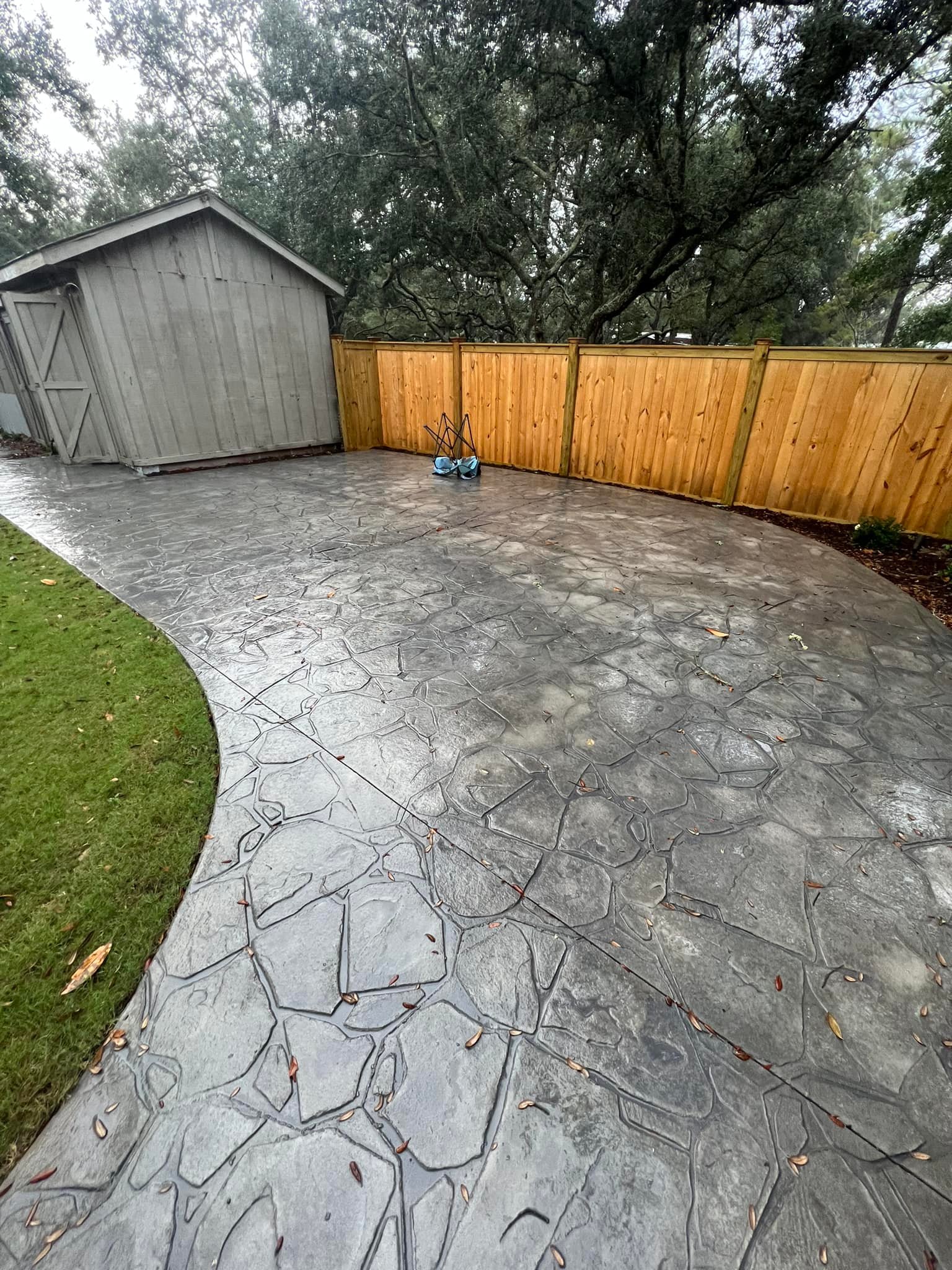
Stamped concrete is one of the most recognizable forms. It involves pressing patterns into freshly poured concrete using stamps that mimic the look of brick, stone, slate, wood, or other materials. It’s often used in outdoor spaces like patios and driveways because it offers the elegance of natural materials without the cost or maintenance.
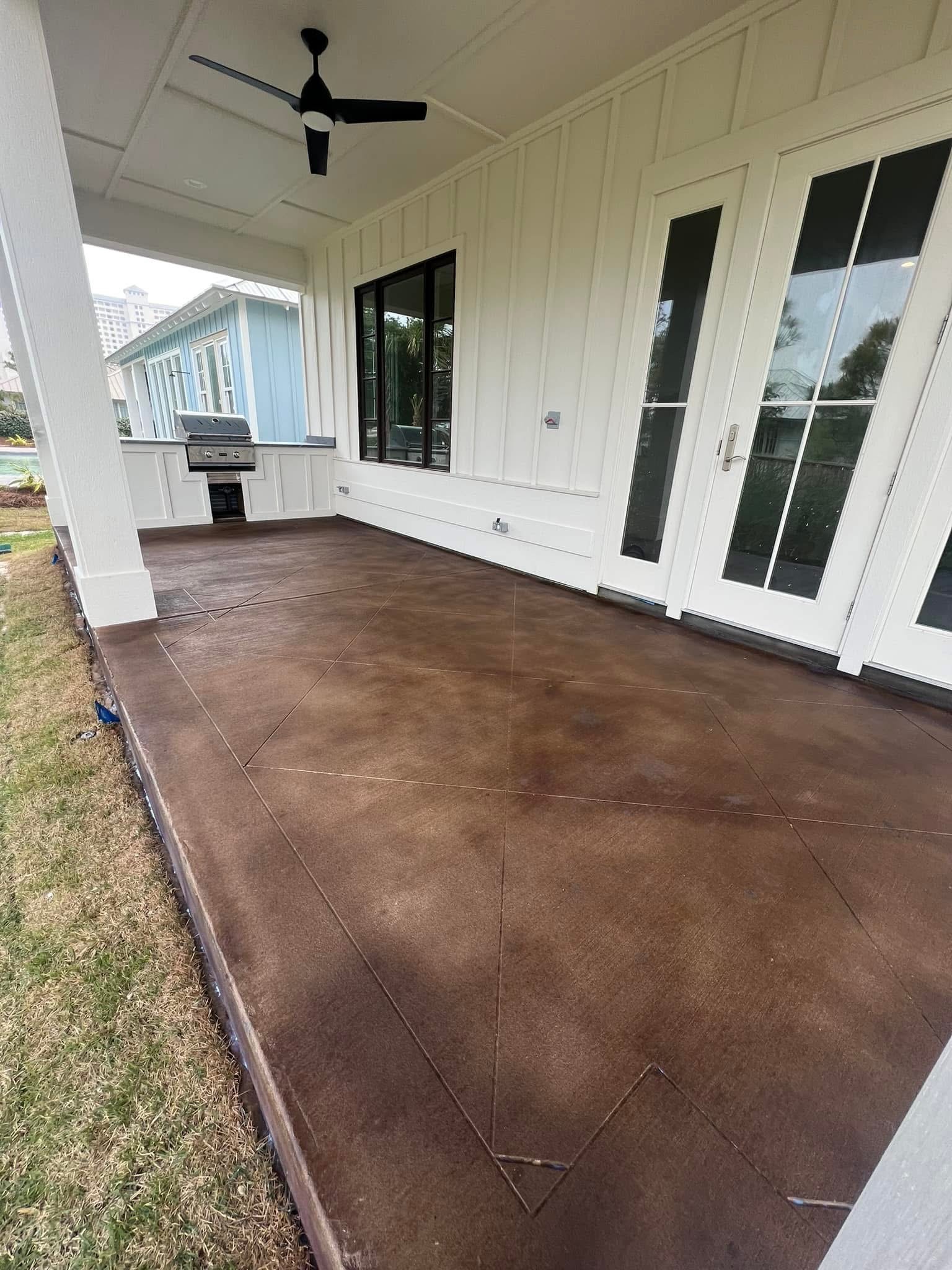
Stained concrete is another favorite, especially for interior floors. Acid-based stains react chemically with the concrete to create rich, translucent tones with a variegated effect, while water-based stains provide a broader range of vibrant colors. Stained concrete floors are popular in basements, restaurants, showrooms, and even modern residential homes.
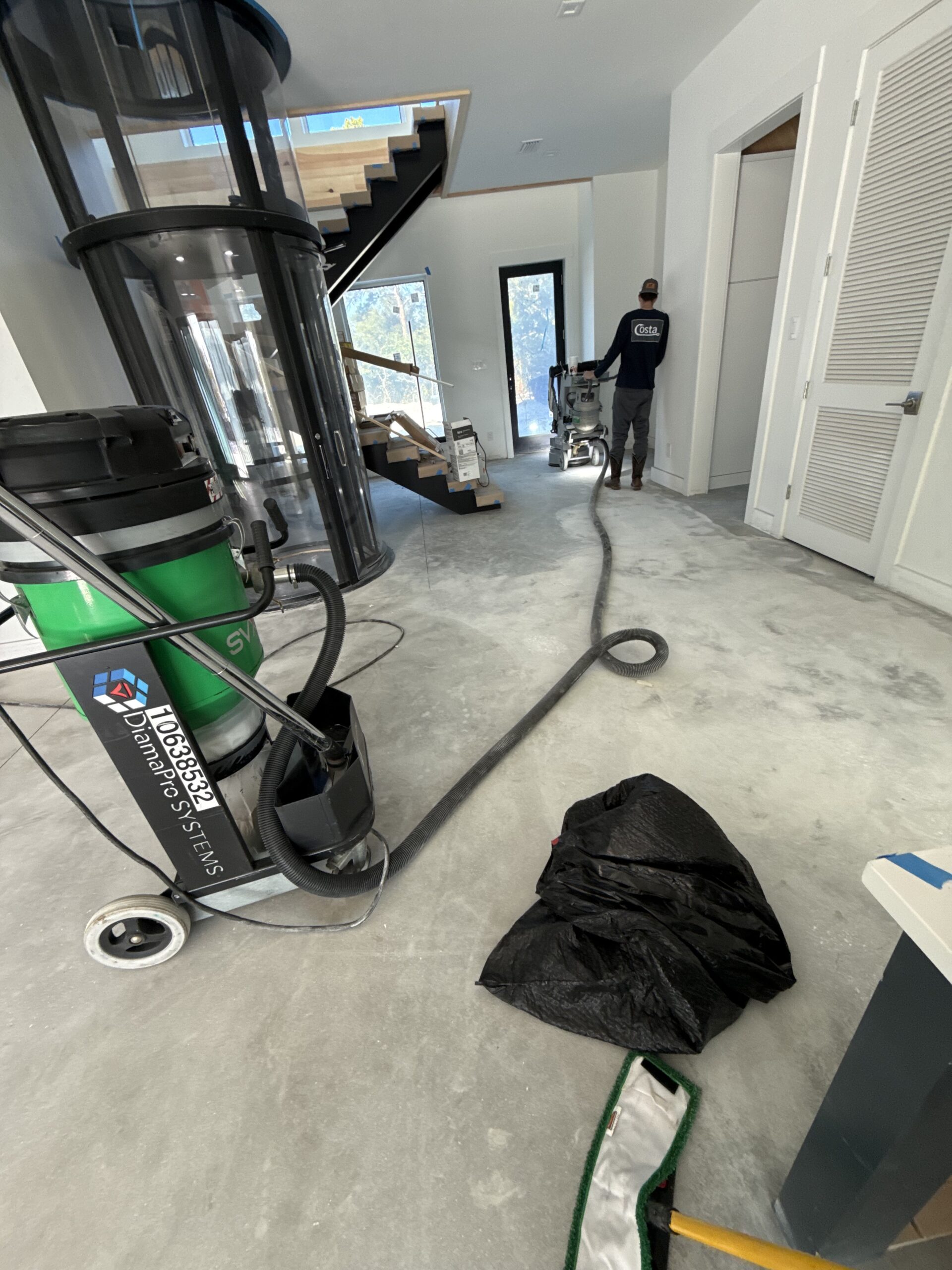
Polished concrete delivers a clean, glossy finish that resembles polished stone or marble. Through a multi-step grinding and polishing process, the surface is smoothed to perfection, enhancing the natural beauty of the concrete while providing a high-end look. This is commonly used in commercial spaces but is gaining popularity in homes for its sleek and industrial aesthetic.
Concrete overlays involve applying a thin layer of new concrete or polymer-resin mix over existing concrete to refresh and enhance the appearance. These overlays can be textured, colored, and finished in countless ways, making them ideal for resurfacing worn or outdated slabs without the need for demolition.
Scoring or engraving concrete involves cutting patterns or designs into the surface. These lines can simulate tile, stone, or geometric designs, and when paired with stains or dyes, they create a detailed, custom finish that adds sophistication and character.
Decorative Concrete in Indoor Spaces
While many people associate concrete with outdoor use, its potential indoors is just as exciting. Decorative concrete floors are durable, easy to clean, and ideal for allergy sufferers because they don’t harbor dust, dander, or mold like carpets. They’re especially popular in modern or industrial-style homes but can be tailored to suit virtually any décor.
In kitchens and bathrooms, concrete countertops are making a name for themselves as stylish alternatives to granite or quartz. With the ability to mold concrete into custom shapes and embed decorative elements like glass, shells, or even LED lights, these countertops offer personalization that’s hard to match.
Entryways, basements, living rooms, and even bedrooms can all benefit from decorative concrete flooring. A warm-toned stain paired with a polished finish can create a cozy, elegant vibe. In-floor radiant heating systems can also be embedded in concrete slabs, making them warm and comfortable underfoot.
Using Decorative Concrete Outdoors
Outdoor applications are where decorative concrete really shines. Driveways, walkways, patios, pool decks, and outdoor kitchens can all be transformed into functional works of art. Stamped concrete is a favorite for patios and pool surrounds because it delivers the look of stone or wood without the risk of splinters or weed growth between cracks.
Colored concrete can be used to complement landscaping or match the color scheme of a home’s exterior. Slip-resistant finishes and textured surfaces make it a safe option for wet areas, and UV-resistant sealers ensure the colors won’t fade in the sun.
Concrete planters, benches, fire pits, and retaining walls can also be enhanced with decorative finishes, tying the whole landscape together. For those who entertain outdoors, decorative concrete makes it easy to create an attractive, low-maintenance environment that’s as durable as it is beautiful.
Customization and Design Potential
One of the most exciting aspects of decorative concrete is the ability to fully customize the look to suit your taste. Unlike pre-fabricated materials, concrete can be shaped, colored, and textured to match virtually any vision. You can achieve the appearance of luxury stone at a fraction of the cost or incorporate bold modern graphics for a unique, eye-catching effect.
Designers and homeowners are pushing the boundaries by integrating features like stenciled logos, embedded patterns, or exposed aggregate finishes into their projects. The design flexibility of decorative concrete makes it a favorite among architects, interior designers, and artists alike.
For businesses, decorative concrete can be used to reflect branding with custom logos or color schemes. For homeowners, it can express personality and creativity, turning a once-boring slab into a conversation starter.
Longevity and Maintenance
When properly installed and sealed, decorative concrete can last decades with minimal upkeep. The key to longevity lies in proper surface preparation, quality materials, and experienced application. Sealing the concrete is essential to protect against staining, moisture, and wear. How often a surface needs to be resealed depends on its use and exposure to elements, but in general, every two to five years is sufficient.
Regular maintenance includes sweeping, occasional mopping with a gentle cleaner, and avoiding harsh chemicals that can degrade the sealant. For outdoor concrete, pressure washing may be used to remove dirt and mildew, but care should be taken not to damage the surface.
Is Decorative Concrete Right for You?
If you’re considering a renovation, build-out, or simply want to refresh your space, decorative concrete is a strong contender. It provides high-end aesthetics with the rugged durability of one of the most resilient building materials available. It’s cost-effective, customizable, and can be applied in nearly any environment.
Whether you’re aiming for elegance, warmth, minimalism, or rustic charm, decorative concrete can be tailored to your needs. The wide variety of techniques available means there’s a solution for virtually every style and space.
From a purely practical standpoint, it offers excellent value. When you factor in the longevity, low maintenance requirements, and design flexibility, it becomes clear why decorative concrete is more than just a trend—it’s a smart and stylish solution that’s here to stay.
Final Thoughts
The world of decorative concrete is filled with possibilities. It’s not just about beautifying a surface; it’s about reimagining what concrete can do. Whether you want to enhance your home’s interior floors, create an inviting patio, or design a custom countertop, decorative concrete offers an ideal combination of form and function.
Work with an experienced installer who understands the materials, techniques, and local climate to get the most out of your investment. With the right approach, your decorative concrete project can bring lasting beauty and functionality to your space for years to come.