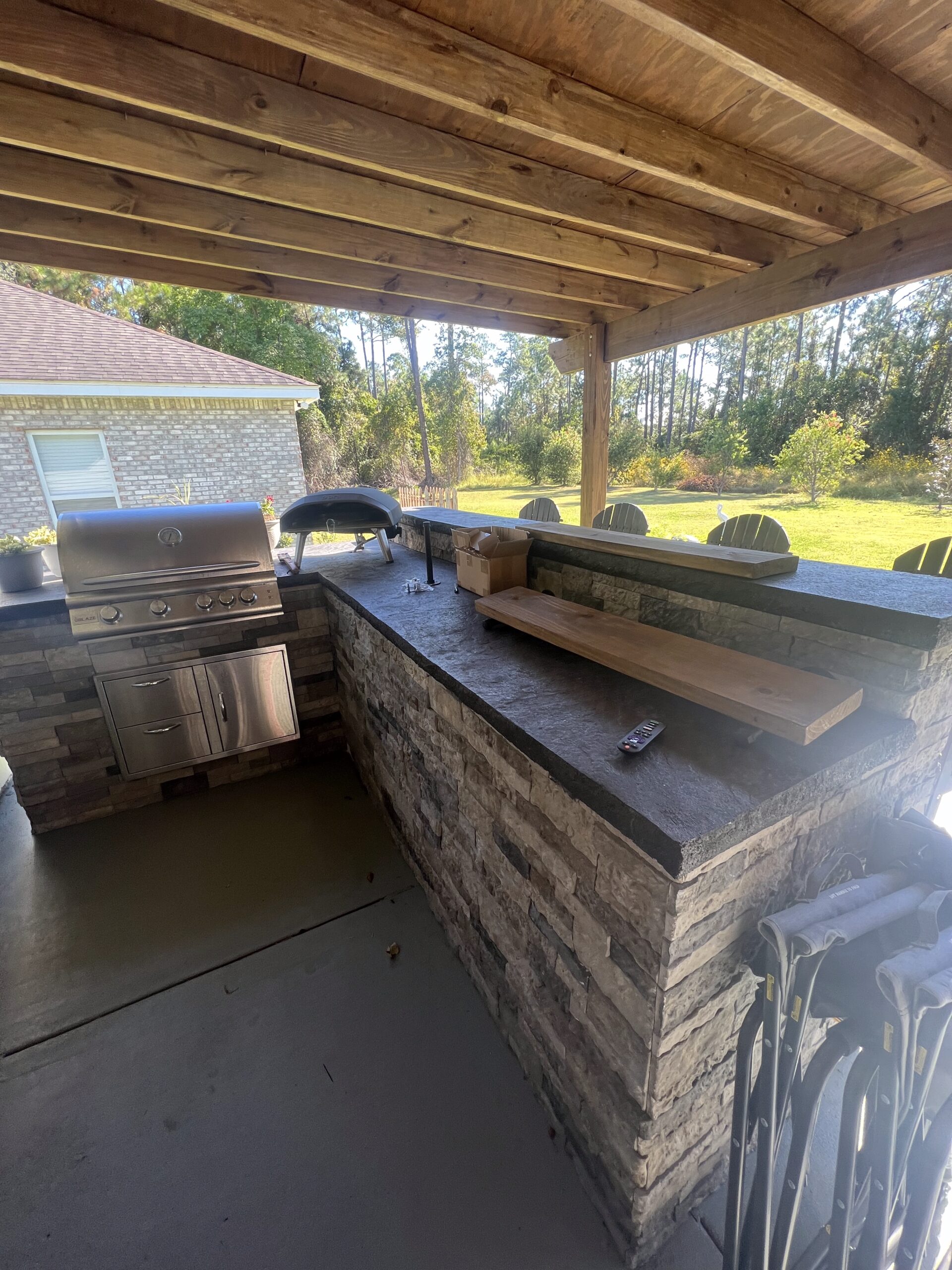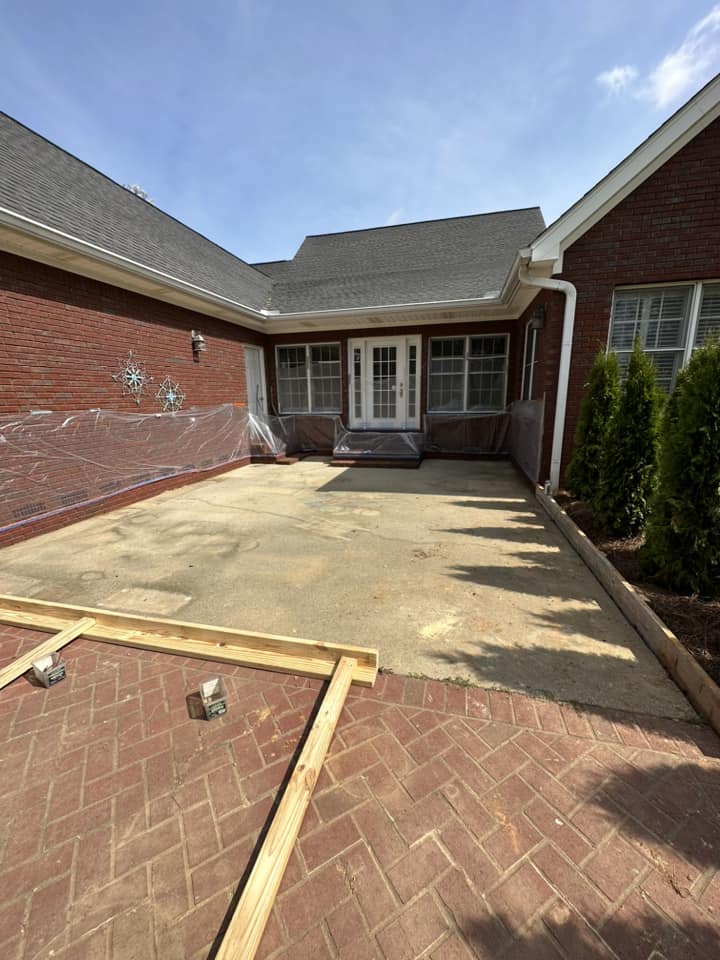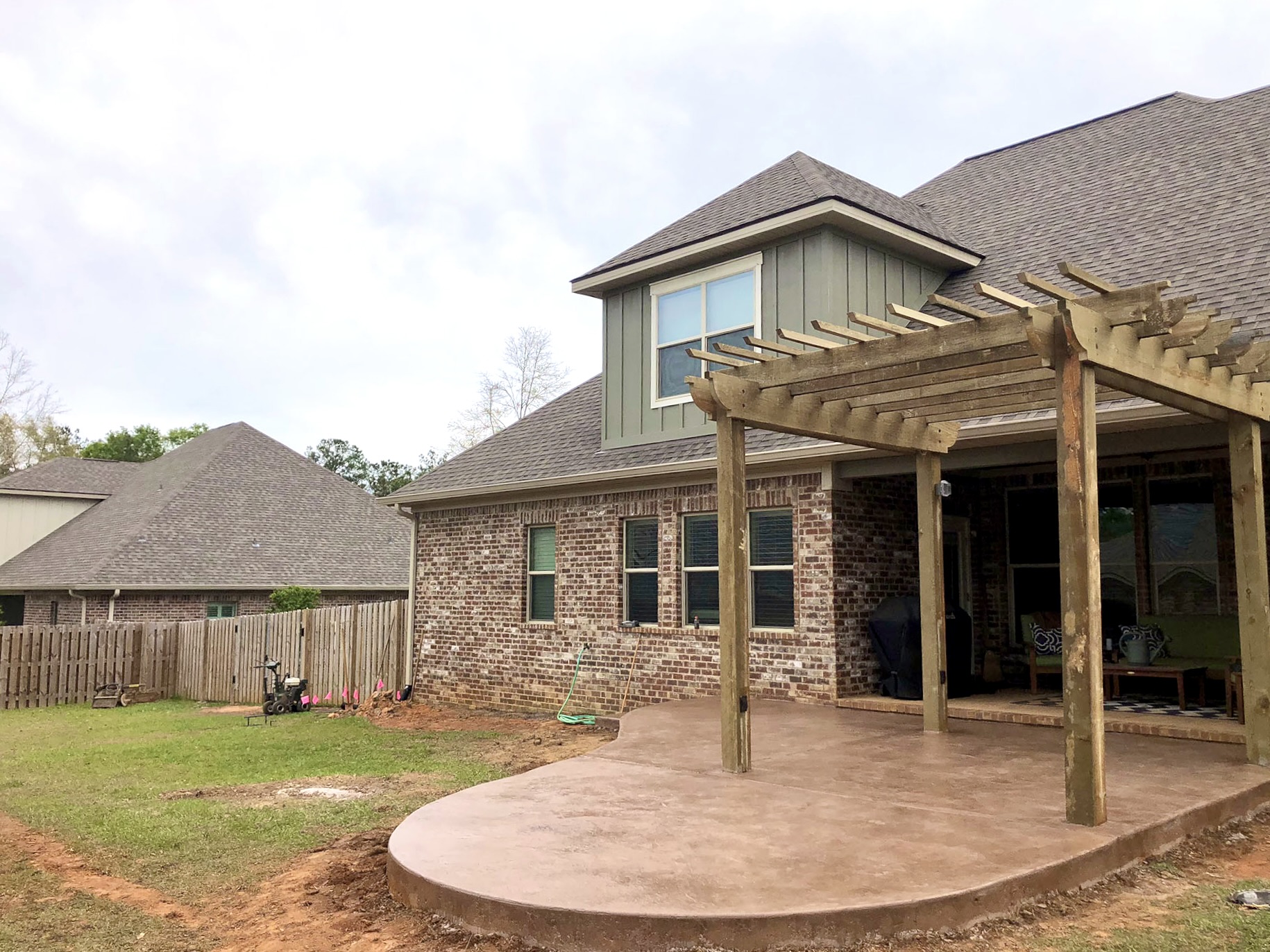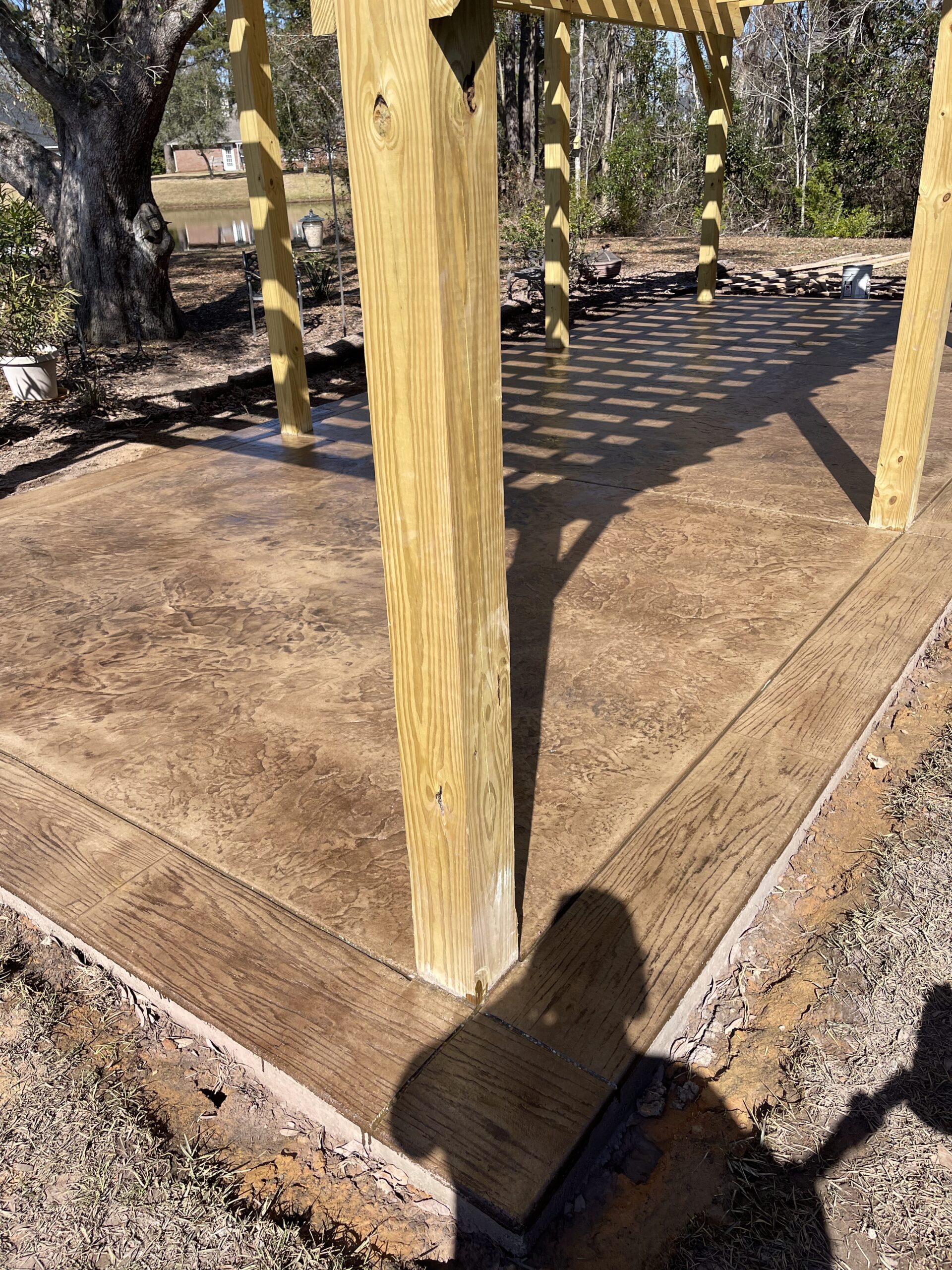
Concrete is one of the most versatile and durable building materials available, making it a popular choice for driveways, patios, pool decks, and other outdoor spaces. However, in the Gulf Coast region, concrete faces unique environmental challenges that can impact its longevity and appearance. From intense sunlight and high humidity to heavy rain, salt air, and occasional storms, Gulf Coast weather can take a toll on even the strongest concrete surfaces. Protecting these surfaces requires a combination of proper installation, material selection, and ongoing maintenance to ensure they remain both beautiful and functional for years to come.
Understanding the Challenges of Gulf Coast Weather
The Gulf Coast climate presents a combination of heat, humidity, salt air, and storms that is unlike most other regions. Intense sunlight can cause concrete to fade or discolor over time, while high humidity promotes moisture absorption that can lead to surface cracking or spalling. Salt air, particularly in areas near the coast, accelerates corrosion in any embedded metal reinforcement and can cause surface degradation. Additionally, heavy rain and periodic flooding challenge drainage systems and can wash away fine aggregates, leaving surfaces uneven or pitted. Recognizing these challenges is the first step in implementing effective protection strategies.
Choosing the Right Concrete Mix
A key factor in protecting concrete surfaces is selecting the right mix during the installation process. Concrete designed for coastal environments often includes additives that improve durability, reduce permeability, and enhance resistance to cracking. Low water-to-cement ratios, air-entrainment, and proper aggregate selection help the concrete withstand moisture intrusion and temperature fluctuations. By starting with a strong, weather-resistant mix, homeowners and builders create a solid foundation for long-term protection against Gulf Coast conditions.
Proper Installation Techniques
Even the best concrete mix can fail if it isn’t installed correctly. Proper site preparation, including compacted subgrades, adequate drainage, and correctly sized expansion joints, is crucial to prevent long-term cracking and shifting. During the pouring process, ensuring even placement, consistent leveling, and proper curing techniques helps the concrete develop maximum strength. On the Gulf Coast, where intense sunlight can cause rapid drying, careful curing methods such as moisture retention mats or curing compounds can prevent surface cracks and maintain durability.
Sealing Concrete Surfaces
One of the most effective ways to protect concrete from Gulf Coast weather is through sealing. Sealers create a protective barrier that reduces moisture absorption, limits salt air penetration, and protects against staining and discoloration. There are various types of sealers available, including penetrating sealers that preserve a natural look, and topical sealers that provide a glossy, protective finish. Regular application, typically every one to three years depending on exposure and product type, ensures ongoing protection and helps extend the lifespan of concrete surfaces.
Managing Salt Air and Coastal Corrosion
For properties near the coast, salt air can accelerate surface degradation and corrode any embedded metal reinforcements. Choosing corrosion-resistant materials, such as stainless steel rebar or epoxy-coated reinforcements, mitigates this risk. Additionally, regular washing of concrete surfaces to remove salt residue prevents buildup and protects both the concrete and surrounding landscaping. By combining preventative design and ongoing maintenance, coastal homeowners can reduce the long-term effects of salt exposure.
Drainage and Water Management
Proper drainage is essential to protecting concrete surfaces from stormwater and heavy rainfall. Standing water can accelerate erosion, promote algae or mold growth, and cause surface pitting over time. Concrete installations should include slopes that direct water away from the home or other structures. Drainage channels, swales, and permeable surfaces can further manage water flow while preventing pooling that can compromise the surface integrity. Effective water management not only protects the concrete but also maintains the safety and aesthetics of outdoor spaces.
Maintaining Concrete in a Coastal Environment
Routine maintenance is a critical component of long-term concrete protection. Regular cleaning removes dirt, salt residue, and organic debris that can damage the surface. Inspecting for cracks or chips and repairing them promptly prevents small issues from becoming larger, more costly problems. In addition, reapplying sealers on a regular schedule maintains the protective barrier and helps concrete withstand continued exposure to the Gulf Coast climate. Combining routine care with professional inspections ensures that concrete surfaces remain durable and visually appealing over time.
Decorative Concrete Considerations
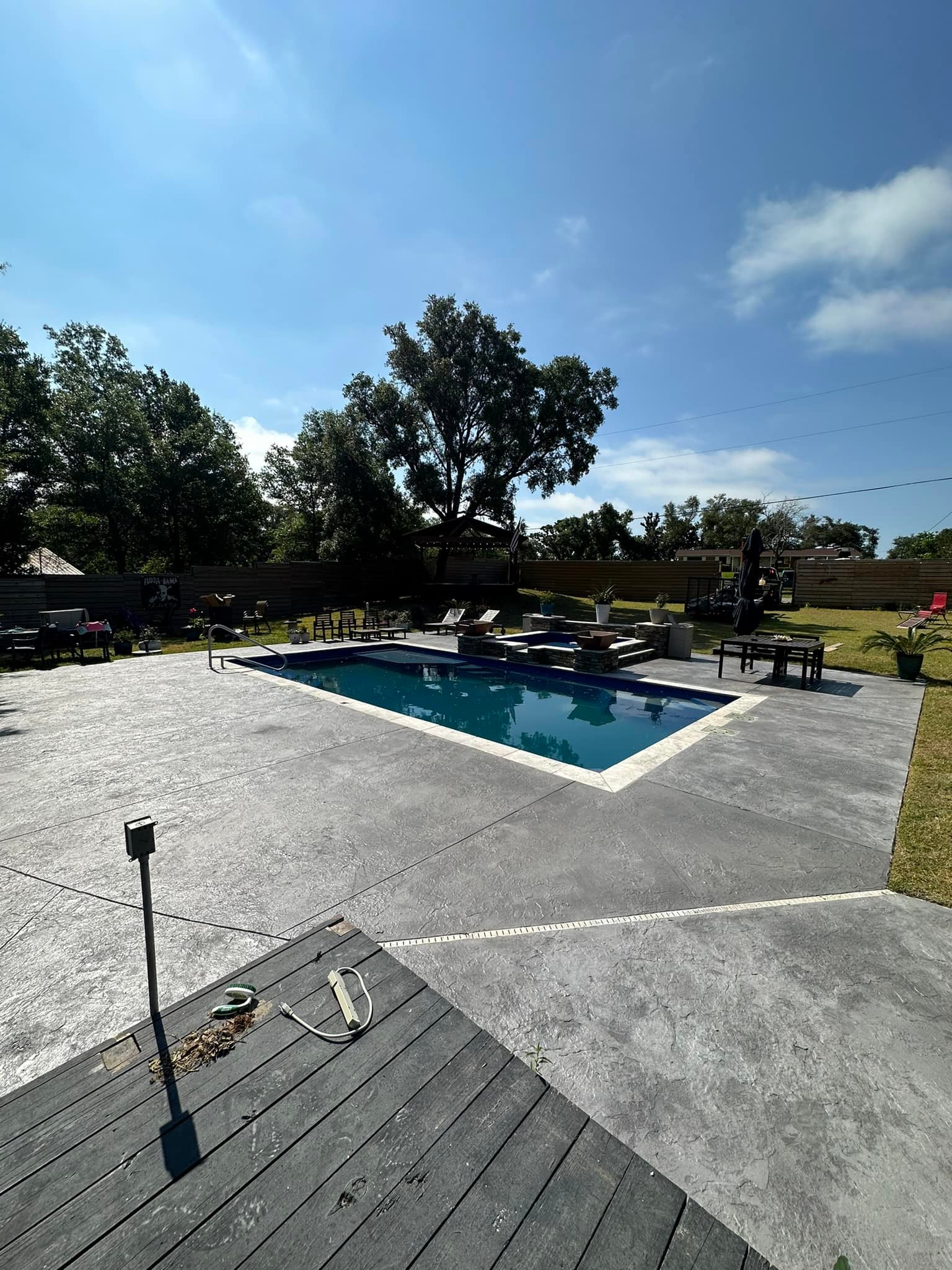
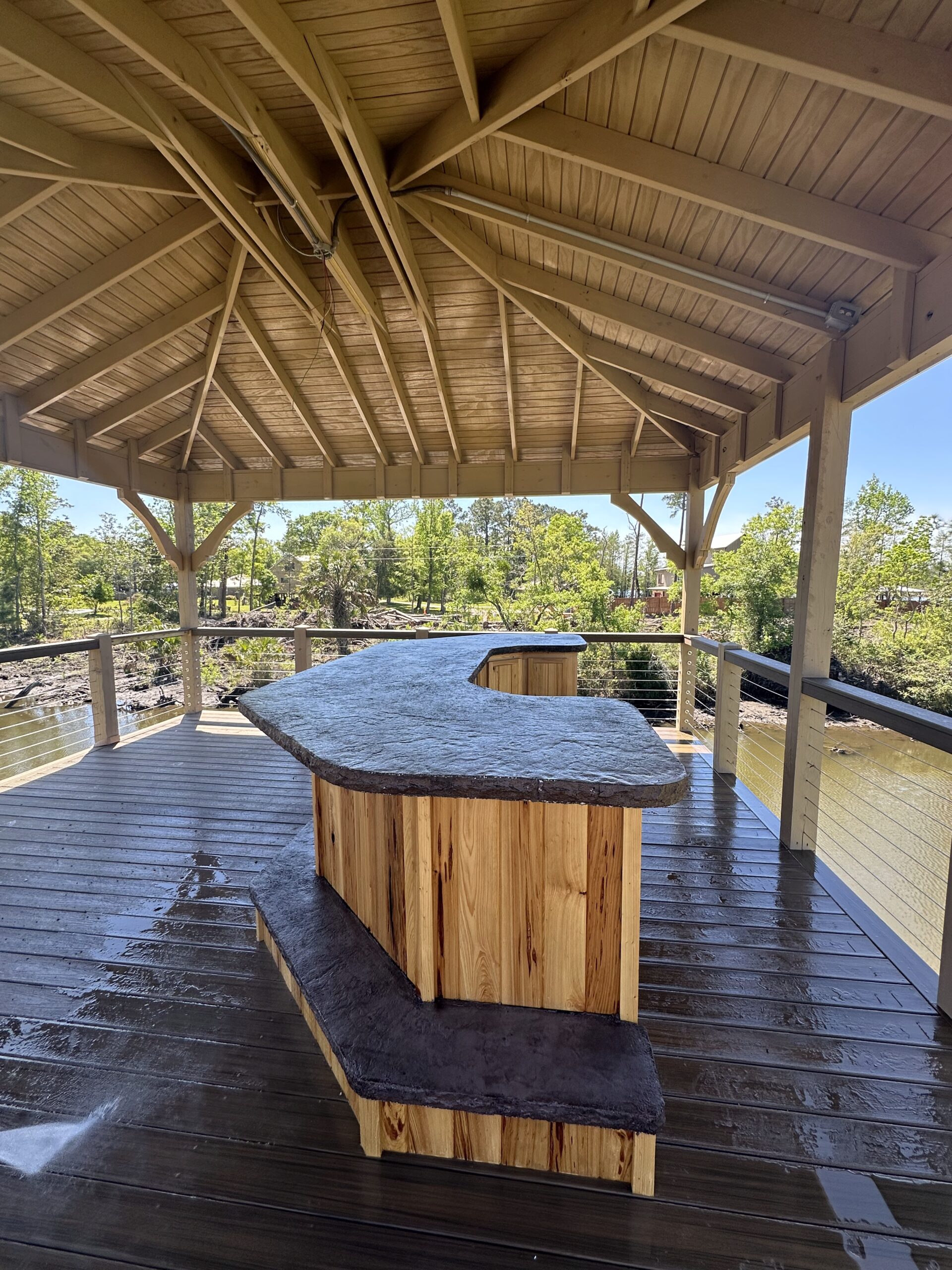
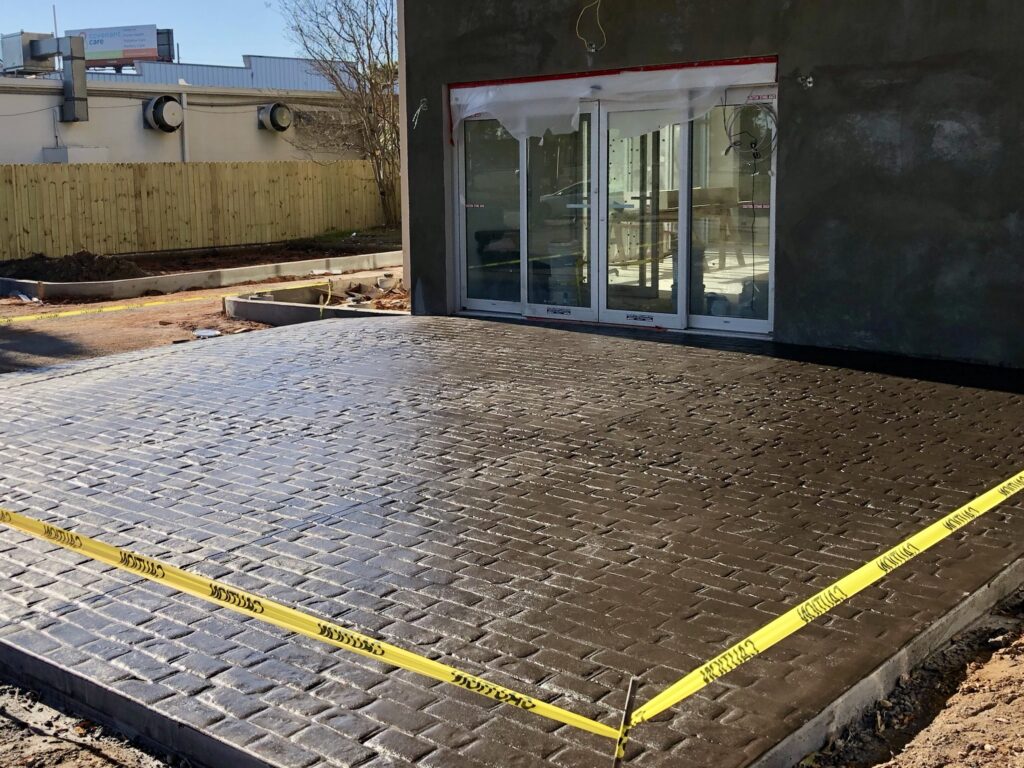
Decorative concrete, such as stamped, stained, or dyed surfaces, adds beauty and character to outdoor spaces. However, these finishes require additional attention to protect against Gulf Coast weather. High-quality sealers designed for decorative concrete help preserve color and pattern while also offering moisture and UV protection. For pool decks or patios, slip-resistant sealers are particularly important to maintain safety without compromising aesthetic appeal. Working with experienced professionals ensures that decorative concrete is both beautiful and resilient in the long term.
Planning for Extreme Weather Events
Hurricanes and tropical storms are an inevitable part of Gulf Coast living. Homes and outdoor structures must be designed to withstand high winds, heavy rainfall, and flying debris. Reinforced concrete, appropriate expansion joints, and protective design elements all contribute to a surface’s resilience during severe weather. Preparing concrete surfaces for extreme events also includes ensuring proper drainage and slope, minimizing the risk of flooding or structural compromise. Proactive planning reduces repair costs and protects the investment in outdoor spaces.
The Role of Experienced Contractors
Protecting concrete in challenging environments requires expertise. Experienced contractors understand how to select materials, install surfaces, and implement preventative measures tailored to Gulf Coast conditions. From the initial site assessment to final finishing and maintenance advice, skilled professionals ensure that concrete surfaces are both functional and long-lasting. Partnering with a contractor who specializes in coastal installations guarantees that homeowners receive the highest-quality results, no matter the climate challenges.
Enjoying Long-Lasting Concrete
Concrete is a durable, versatile material capable of enhancing outdoor spaces for decades. With the right planning, installation, and maintenance, Gulf Coast homeowners can enjoy patios, pool decks, driveways, and decorative surfaces without worrying about weather-related damage. By understanding the unique challenges posed by the climate and working with knowledgeable professionals, concrete surfaces can remain safe, attractive, and long-lasting, making them a reliable investment in both beauty and functionality.