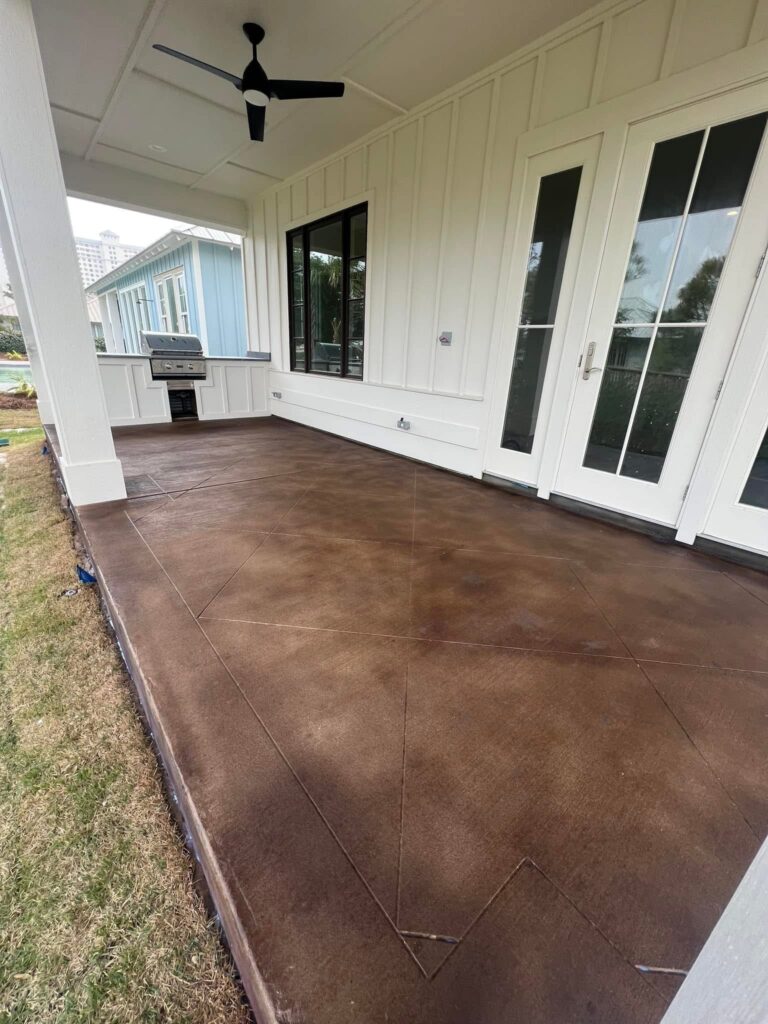
Concrete is no longer just a practical building material. With decorative concrete staining, ordinary gray surfaces can become beautiful features that complement the style of a home or commercial property. From rich, natural color variations to custom finishes that enhance existing concrete, staining offers a way to improve the appearance of a space without completely replacing the surface.
For homeowners along the Alabama Gulf Coast and surrounding areas, concrete staining is an attractive option for both interior floors and outdoor living spaces. It combines visual appeal with the durability of concrete, making it a practical choice for properties where appearance, functionality, and long term performance matter.
Although indoor and outdoor concrete staining share some similarities, each application has different requirements. The surrounding environment, condition of the concrete, desired appearance, and type of protective finish all influence the final result. Understanding these differences can help you determine which staining option is right for your property.
What Is Concrete Staining?
Concrete staining is a decorative process that adds color and character to existing concrete. Instead of covering the surface with a traditional coating, many staining products interact with or penetrate the concrete to create a distinctive finish. The final appearance depends on the type of stain, the concrete itself, and the preparation and application methods used.
Acid based stains typically produce natural looking color variations that can resemble stone or other organic materials. Water based stains offer a broader range of colors and can provide more consistent results, depending on the product and surface conditions.
Because concrete naturally varies in texture, porosity, and composition, stained surfaces often have unique characteristics. This variation is part of what makes decorative concrete appealing. Rather than looking like a mass produced flooring material, a properly stained surface can complement the individual character of a property.
Concrete staining can be used in many settings, including interior floors, patios, pool decks, porches, and other suitable concrete surfaces. Choosing the right system for the intended application is essential to achieving a finish that looks good and performs as expected.
The Benefits of Indoor Concrete Staining
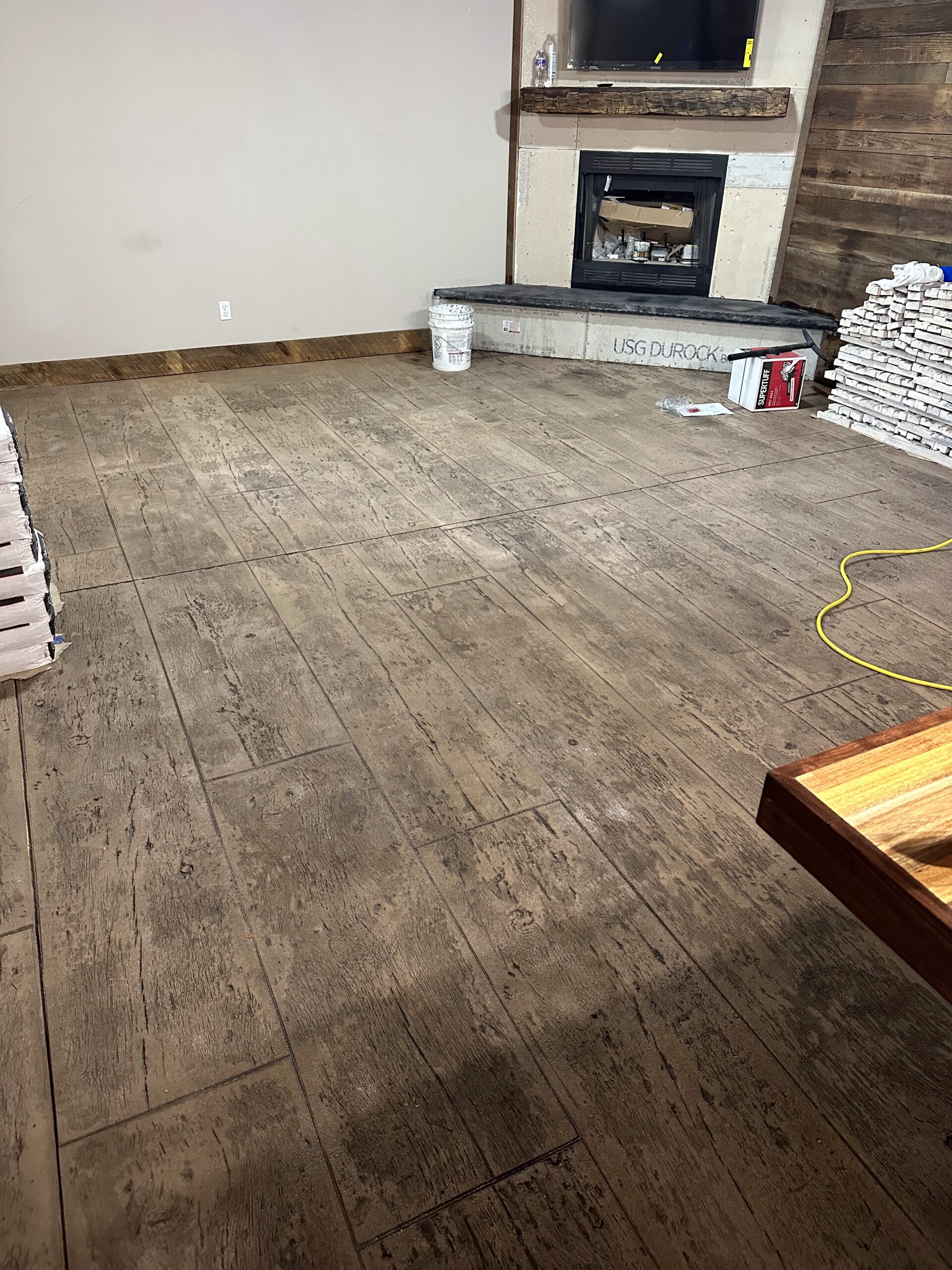
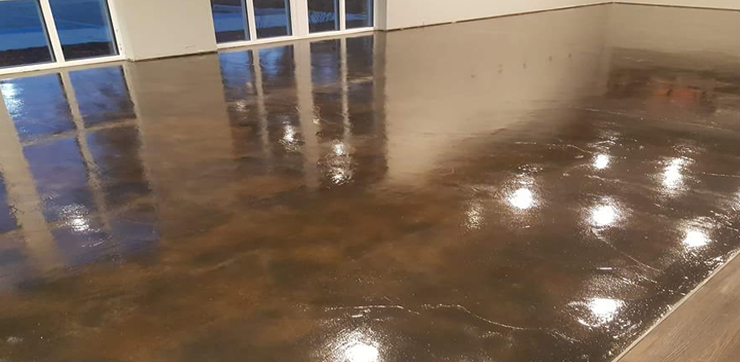
Indoor concrete staining is an excellent option for homeowners and business owners who want an attractive floor without relying on carpet, tile, or other traditional materials. Existing concrete can often be transformed into a decorative finished surface, creating a clean and cohesive appearance throughout a room.
A Custom Look for Every Interior
One of the biggest advantages of stained concrete floors is their design flexibility. Color choices and application techniques can be selected to complement a variety of interior styles, from modern and industrial spaces to coastal homes and more traditional designs.
Neutral shades can create a subtle backdrop for furniture and decor, while richer colors can add warmth and visual depth. Depending on the project, decorative scoring, borders, and other techniques can introduce additional detail.
Stained concrete also works well in open concept spaces. Because the flooring can continue from one area to another, it can help create a consistent look throughout a home or business.
Durable Flooring for Everyday Use
Concrete is known for its strength, making it a practical foundation for interior flooring. When properly prepared, stained, and protected with an appropriate sealer, concrete floors can withstand everyday foot traffic and regular use.
This makes them worth considering for living areas, kitchens, entryways, retail spaces, and other locations where durability is important. However, the performance of a finished floor depends on the condition of the concrete, the products used, and ongoing maintenance.
Simple Cleaning and Maintenance
Compared with carpet, stained concrete does not trap dust, pet hair, or other debris within fibers. Routine sweeping and damp mopping can help keep the surface clean, making it an appealing choice for busy households and commercial properties.
Protective sealers also help maintain the appearance of the finished surface. Over time, the sealer may need maintenance or reapplication depending on the product, traffic, and conditions. Following the recommended care instructions helps preserve the finish and extend its useful life.
A Practical Alternative to Traditional Flooring
When an existing concrete slab is suitable for staining, property owners may be able to achieve a decorative floor without installing a completely separate flooring material. The overall cost depends on surface preparation, repairs, the selected stain, decorative details, and protective finishes.
For properties with suitable concrete already in place, staining can be an appealing way to update the look of a room while making use of the existing structure.
Why Outdoor Concrete Staining Is Different
Outdoor concrete surfaces face challenges that interior floors generally do not. Sun exposure, rain, humidity, changing temperatures, and regular use can all affect the appearance and performance of a decorative finish.
For this reason, outdoor concrete staining requires careful consideration of the surface, application conditions, and protective products.
Improving Curb Appeal
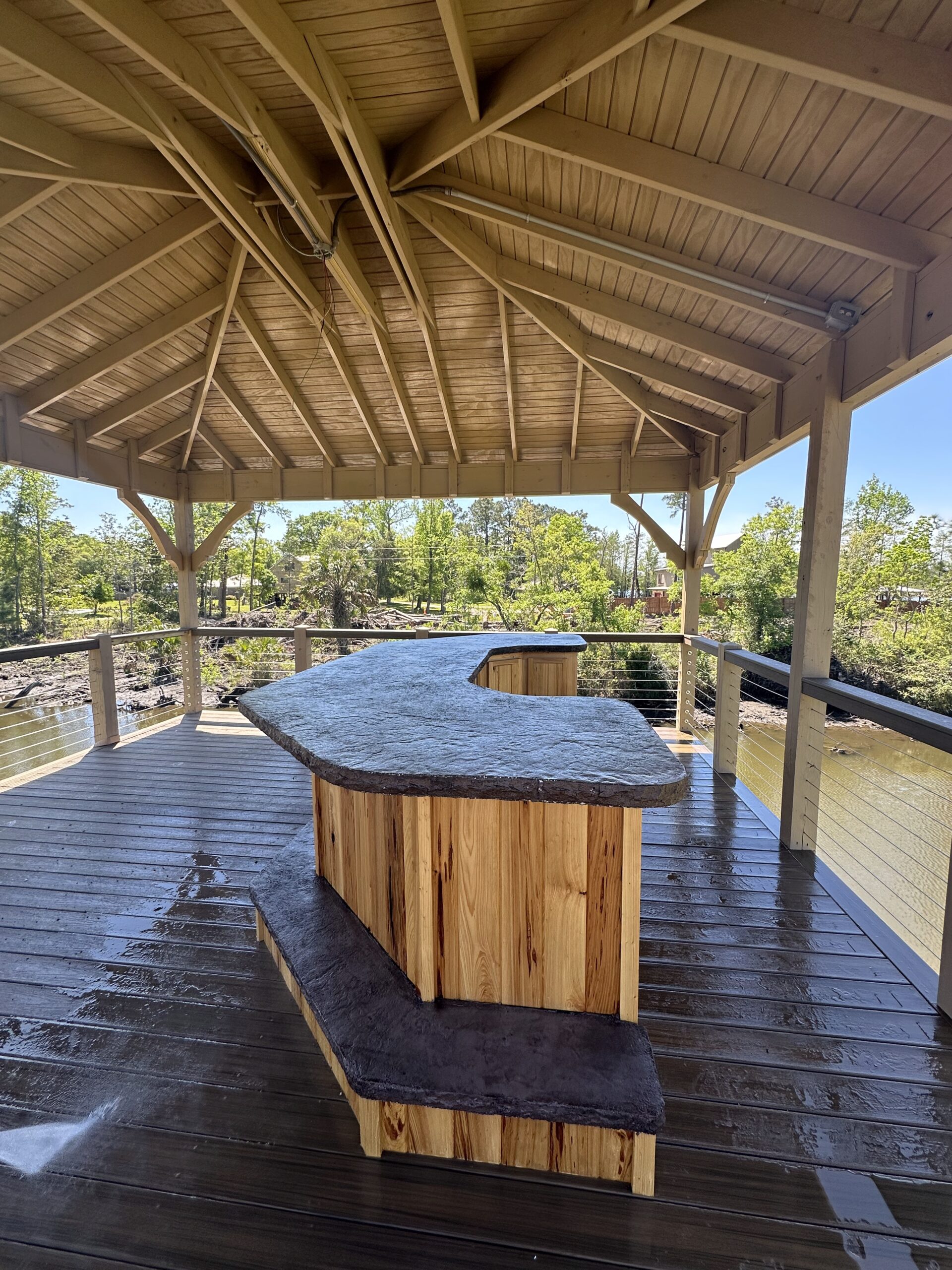
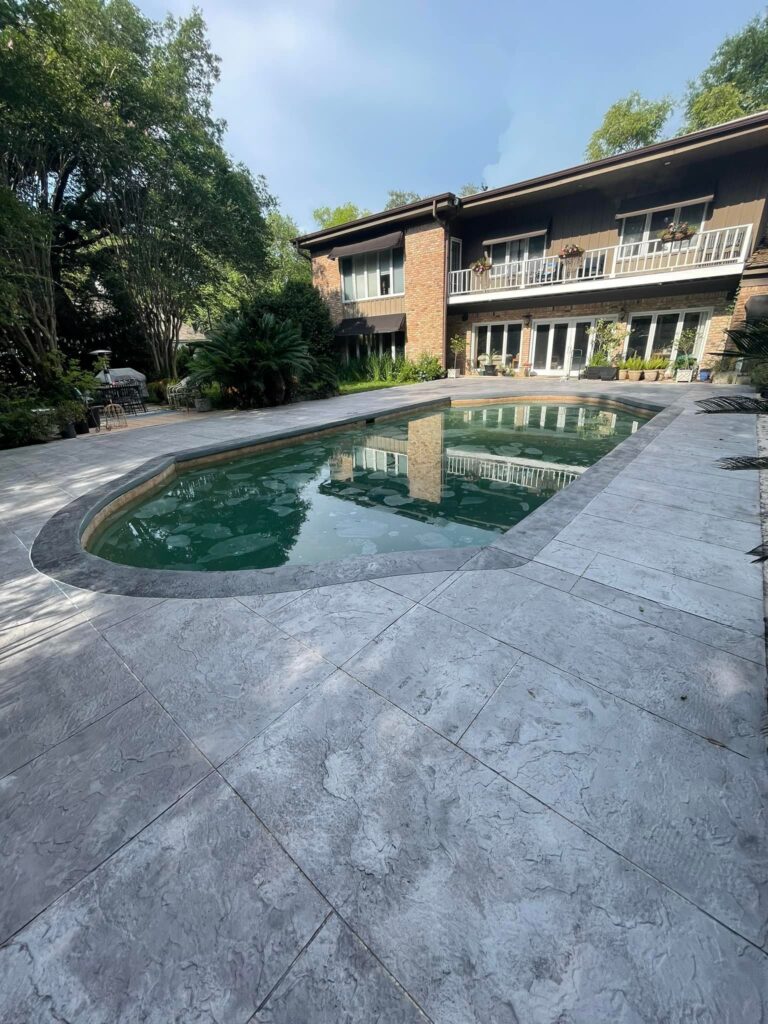
Stained concrete can enhance the appearance of patios, walkways, porches, driveways, and pool decks. Instead of leaving an outdoor slab looking plain or unfinished, decorative staining introduces color and visual interest that can complement the home and surrounding landscape.
Earth tones can blend naturally with landscaping and stone features, while cooler shades and contrasting colors may work well with contemporary architecture. The right selection depends on the property’s existing materials and the look the homeowner wants to achieve.
A coordinated patio or pool deck can also help make an outdoor area feel more complete, creating a welcoming setting for relaxing, entertaining, and spending time with family.
Selecting Finishes for Sun and Weather Exposure
Outdoor concrete must be able to handle environmental exposure. Direct sunlight can affect some decorative finishes, while moisture and temperature changes can influence the performance of sealers and other protective products.
Selecting materials intended for the specific outdoor application is an important part of the process. Surface preparation also matters because dirt, previous coatings, contaminants, and existing damage can interfere with the results.
A professional assessment helps determine whether the concrete is suitable for staining and what preparation or repairs may be necessary before work begins.
Considering Traction Around Pool Decks and Patios
Safety should be considered when choosing a finish for outdoor concrete, especially around swimming pools and other areas that regularly become wet.
The appearance of a stained surface is only one part of the decision. The selected sealer and finish should also be appropriate for the location and intended use. Certain products or additives can improve traction, but no finish makes a wet surface completely slip proof.
For pool decks and frequently wet walkways, choosing a suitable system for the specific conditions is especially important.
Creating a More Inviting Outdoor Living Area
Outdoor spaces have become an important part of how homeowners enjoy their properties. Patios, pool decks, and covered porches provide room to entertain guests, relax outside, and enjoy the surrounding landscape.
Decorative concrete staining can help tie these spaces together by adding color and character to the existing concrete. When coordinated with outdoor furniture, landscaping, and the home’s exterior, the finished surface can contribute to a more polished overall design.
For Gulf Coast properties, the combination of outdoor living and environmental exposure makes it particularly important to choose finishes based on both appearance and practical performance.
Indoor vs. Outdoor Concrete Staining: What Should You Consider?
Although both applications can transform concrete, several factors influence the best approach for each project.
Environmental exposure: Indoor concrete is generally protected from direct sunlight and rain. Outdoor concrete requires products and preparation suited to weather, moisture, and UV exposure.
Design goals: Interior projects may focus on coordinating with flooring, cabinetry, furniture, and wall colors. Exterior projects often need to complement the home’s architecture, landscaping, and surrounding hardscape.
Surface condition: Both indoor and outdoor concrete must be evaluated before staining. Cracks, stains, previous coatings, repairs, and variations in porosity can affect the final appearance.
Protective finishes: The appropriate sealer depends on the location, desired look, expected traffic, and maintenance requirements. A product suitable for an interior floor may not be the best choice for an exposed patio or pool deck.
Maintenance needs: All decorative concrete surfaces benefit from proper care. Outdoor surfaces may require more frequent attention because of weather exposure, debris, and changing environmental conditions.
Understanding these differences helps property owners set realistic expectations and choose a solution that fits their space.
The Importance of Proper Concrete Preparation
Regardless of whether the project is indoors or outdoors, preparation plays a major role in the final result. Concrete staining does not automatically hide every flaw or create a perfectly uniform color.
Existing coatings, oil stains, surface contaminants, and certain repairs can affect how the stain interacts with the concrete. Areas with different porosity may also absorb color differently, creating variations across the surface.
Before beginning a project, the concrete should be evaluated to identify any preparation requirements. Depending on its condition, the process may involve cleaning, removing incompatible coatings, addressing surface issues, or performing other necessary preparation.
It is also important to understand that staining highlights the characteristics of the concrete rather than replacing them. If a slab contains visible patches, cracks, or color variations, those features may remain visible after staining. A professional evaluation can help determine what results are realistic for the existing surface.
Proper preparation, careful application, and a suitable protective finish work together to create a decorative surface that looks its best.
Why Work With a Decorative Concrete Professional?
Concrete staining involves more than selecting a color and applying a product. The condition of the slab, the type of stain, preparation methods, application technique, and sealer all influence the finished appearance.
Experienced decorative concrete professionals understand how to evaluate existing surfaces, identify potential challenges, and recommend suitable options for the intended application. They can also help property owners compare colors and finishes while explaining the maintenance each option may require.
Professional installation is especially valuable when the project involves a large area, an existing coating, a pool deck, or a surface exposed to demanding outdoor conditions. Addressing preparation and product selection before work begins can help reduce avoidable issues and improve the likelihood of a satisfactory result.
At ProCon Decorative Concrete LLC, the goal is to create decorative concrete surfaces that combine thoughtful design with quality workmanship. Each project begins with understanding the space, the condition of the concrete, and the property owner’s goals.
Transform Your Concrete With ProCon Decorative Concrete LLC
Whether you are updating an interior floor or improving an outdoor living area, concrete staining offers an opportunity to bring new life to an existing surface. With a range of colors and decorative possibilities, stained concrete can complement different architectural styles while retaining the practical benefits of a concrete foundation.
The right approach depends on where the concrete is located, how the space will be used, and the condition of the existing slab. Indoor projects may prioritize design flexibility and easy maintenance, while outdoor applications require additional consideration of weather exposure, protective finishes, and traction.
ProCon Decorative Concrete LLC works with homeowners and property owners throughout Foley, Gulf Shores, Orange Beach, and surrounding areas to create decorative concrete features tailored to their spaces.
If you are considering concrete staining for your home or property, contact ProCon to discuss your project and explore the options available for your concrete surfaces.
ProCon Decorative Concrete LLC
Beautiful concrete starts with the right preparation, materials, and craftsmanship.