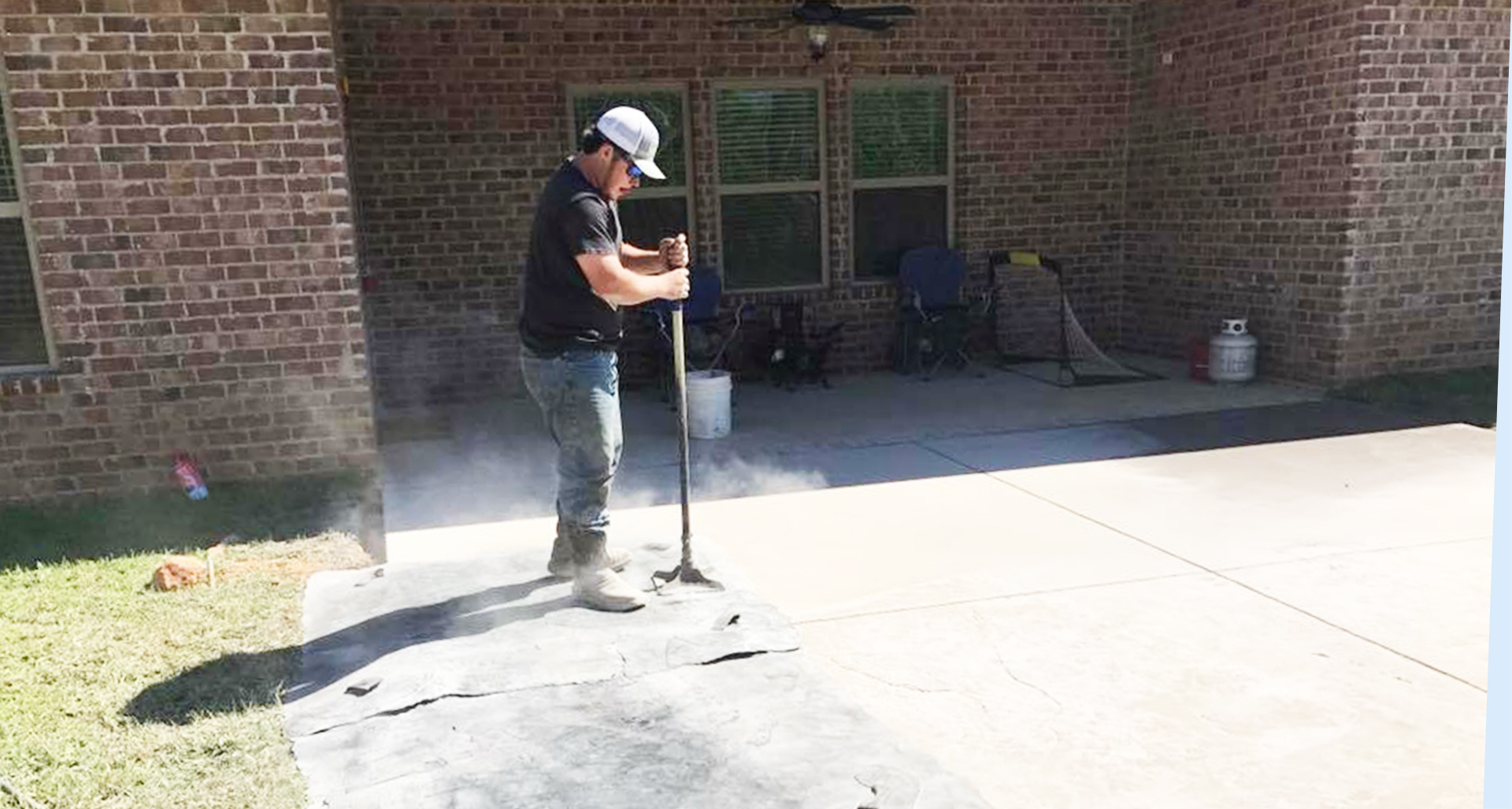

A backyard can be much more than an open area behind your home. With the right design, it can become an extension of your living space, giving you a comfortable place to relax, entertain guests, enjoy meals outdoors, and spend time with family. One of the most effective ways to make that transformation is with a custom concrete patio.
For homeowners in Foley, Gulf Shores, Orange Beach, and throughout Baldwin County, Alabama, decorative concrete offers a versatile way to create attractive outdoor spaces that complement the style of the home. With different colors, textures, patterns, and finishes available, a concrete patio can be designed to fit your property’s layout and your personal preferences.
At ProCon Decorative Concrete LLC, we understand that outdoor improvements should balance appearance, functionality, and long-term value. Whether you are planning a new backyard patio or upgrading an existing outdoor area, choosing the right concrete design can make a noticeable difference in how you use and enjoy your property.
Why Concrete Is a Popular Choice for Backyard Patios
Concrete remains a popular option for outdoor patios because it offers flexibility in both design and function. Unlike materials that come in predetermined shapes and sizes, poured concrete can be formed to accommodate many different layouts. This makes it a practical choice for homeowners working with large backyards, smaller outdoor spaces, curved property lines, or areas that connect directly to the home.
A custom concrete patio can be designed around existing landscaping, outdoor doors, walkways, and other features. The result is an outdoor area that feels connected to the property rather than added as an afterthought.
Concrete also provides a solid surface for outdoor furniture, dining tables, grills, and seating areas. With proper preparation, installation, and maintenance, a concrete patio can provide years of use while maintaining its overall appearance.
For homeowners along the Alabama Gulf Coast, selecting materials and finishes suited to local weather conditions is especially important. Heat, humidity, heavy rainfall, and changing soil conditions can all affect outdoor concrete. Proper site preparation, drainage planning, reinforcement where appropriate, and installation techniques help support the performance of the finished patio.
Decorative Concrete Offers More Design Possibilities
One of the biggest advantages of decorative concrete is that homeowners do not have to settle for a plain gray slab. Decorative finishes can add color, texture, and visual interest, allowing the patio to complement the home’s exterior.
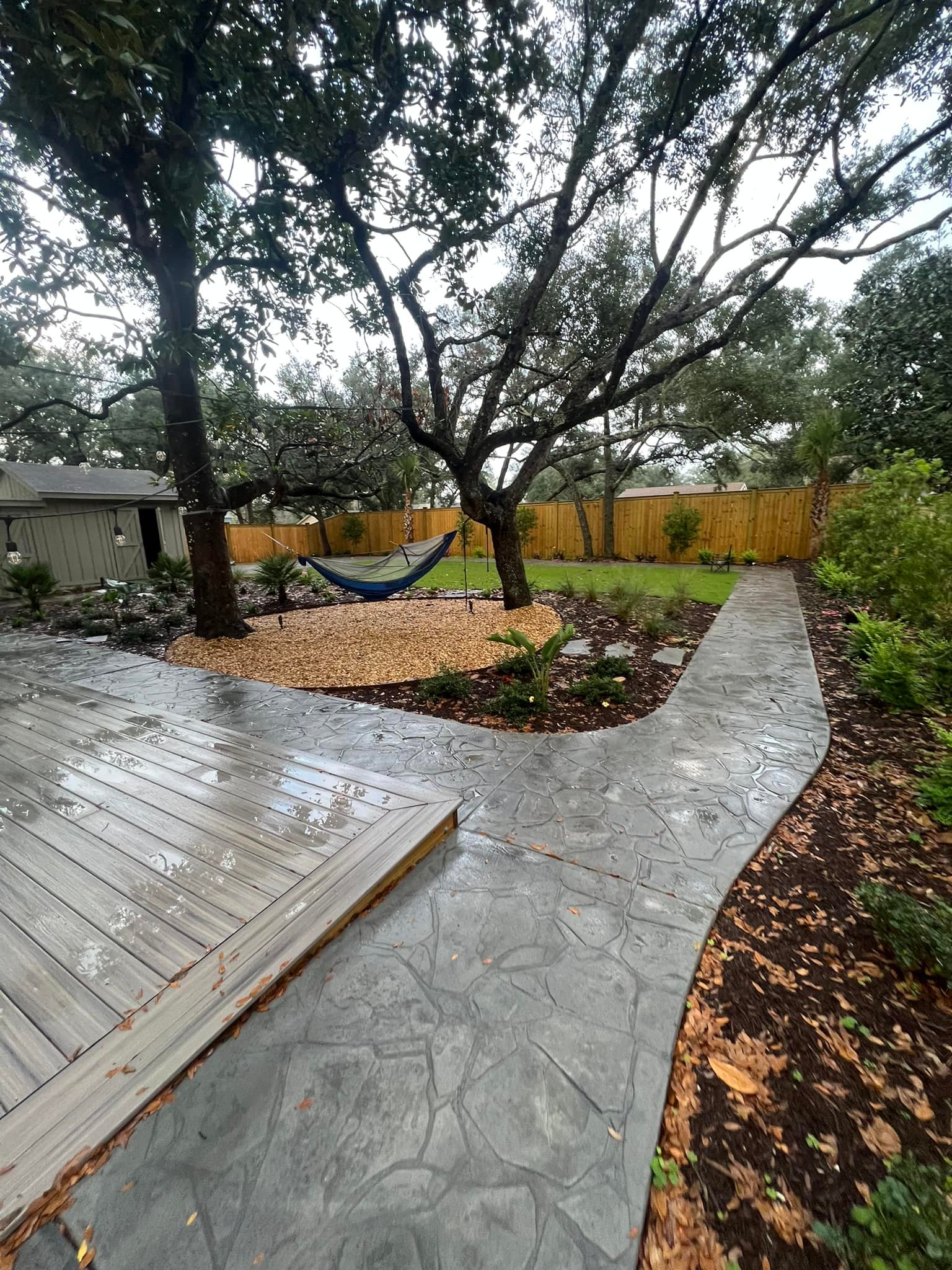
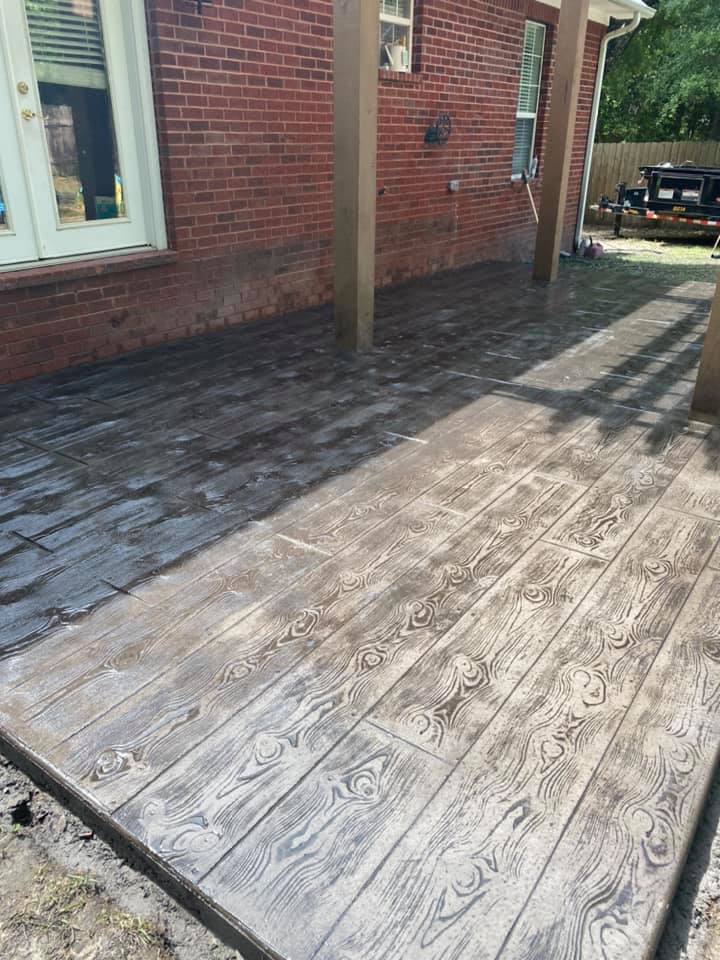
Depending on the project and the selected finish, decorative concrete can incorporate stamped patterns, stains, dyes, and overlays. These options can create a range of appearances, from subtle and contemporary to more traditional designs inspired by natural stone or other materials.
Stamped concrete can introduce patterns and textures that give a patio additional character. Staining and concrete dyes can add color and variation, while suitable overlays can refresh certain existing concrete surfaces when the underlying condition allows.
The best choice depends on the property’s architecture, the desired appearance, the intended use of the patio, and the level of maintenance the homeowner prefers.
A well-planned design considers the entire outdoor space. The patio should complement the home’s siding, brickwork, roof, landscaping, and other exterior features. Coordinating these elements helps create a more cohesive appearance and makes the finished space feel intentional.
Creating a Patio That Fits Your Home
Every property has different needs, which is why planning is an important part of a successful concrete patio project.
Some homeowners want a simple extension of their back door with enough room for a table and a few chairs. Others envision a larger outdoor entertainment area with separate spaces for dining, lounging, and grilling. A custom layout can help accommodate these different goals.
The shape of the patio also affects its overall appearance. Straight edges can create a clean, structured look, while curved edges can soften the transition between the concrete and the surrounding lawn or landscaping.
The size of the patio should reflect how the space will be used. Homeowners who regularly entertain may need room for larger furniture arrangements and comfortable walkways. Those looking for a quiet outdoor retreat may prefer a smaller area designed around a seating arrangement or garden view.
It is also important to consider how people will move through the space. Doorways, steps, walkways, and access to the yard should be incorporated into the design. Planning these details before installation can help prevent an attractive patio from becoming inconvenient to use.
At ProCon Decorative Concrete, the goal is to create concrete features that work with the property while reflecting the homeowner’s vision.
The Importance of Proper Site Preparation
The appearance of a finished patio is important, but much of the work that supports its performance happens before the concrete is poured.
Site preparation helps establish a suitable foundation for the new patio. Depending on the property, preparation may involve clearing the installation area, addressing unsuitable soil, establishing the proper grade, and preparing a stable base.
The ground beneath the patio matters because poorly prepared or inconsistent support can contribute to settling and cracking. Although concrete can develop cracks over time, appropriate preparation and installation practices can help reduce the risk of avoidable problems.
Water management is another important consideration. Patios should be planned with appropriate slopes and surrounding grades to help direct water away from the home and prevent unwanted pooling. This is particularly relevant in Baldwin County, where heavy rain can put outdoor surfaces and surrounding yards to the test.
The patio’s design should also account for the home’s foundation, existing drainage patterns, nearby landscaping, and the intended elevation of connecting surfaces.
Expansion and control joints, reinforcement where appropriate, concrete mix selection, curing, and installation conditions are additional factors that may influence long-term performance. Each property and project is different, so the construction approach should reflect the specific site conditions.
Taking time to address these details helps establish a better foundation for an outdoor improvement that homeowners can enjoy.
Designing for Alabama Gulf Coast Weather
Outdoor concrete in coastal Alabama faces environmental conditions that deserve careful consideration during planning and installation.
Summer temperatures can be high, and direct sunlight can make patio surfaces uncomfortable during the hottest parts of the day. The placement of outdoor furniture, shade structures, and nearby landscaping can help improve comfort and usability.
Rainfall is another factor. Water should be directed appropriately so it does not collect on the patio or flow toward the home. Proper grading and drainage planning are especially important for properties with low areas or challenging yard elevations.
Homeowners should also consider how their chosen decorative finish will look under changing light conditions. Lighter and darker colors can create different visual effects depending on the amount of sunlight the patio receives and how the finish complements the home’s exterior.
Surface texture matters as well. For areas exposed to rain or frequent moisture, the finish should be selected with traction and intended use in mind. No decorative finish is automatically slip-proof, so discussing the appropriate surface for the location is an important part of the design process.
By considering local weather and property conditions from the beginning, homeowners can make more informed decisions about the appearance and functionality of their patio.
Extending Your Living Space Outdoors
A concrete patio can change the way a backyard is used. Instead of having an open lawn with limited seating options, homeowners can create a dedicated area for everyday activities and special occasions.
An outdoor dining area provides a convenient place to enjoy meals when the weather is pleasant. A comfortable seating arrangement creates space for morning coffee, reading, or spending time with friends. A patio near an outdoor kitchen or grill can also make cooking and entertaining more convenient.
For families, a patio can provide a defined area for outdoor gatherings while leaving the rest of the yard available for landscaping, gardening, or recreation.
The layout should reflect the activities that matter most to the household. Furniture placement, walking paths, shade, and access to the home all influence how comfortable the space will be once it is complete.
Even a relatively simple patio can make a backyard feel more organized and usable. The key is choosing a design that fits the available space and supports the way the homeowner wants to enjoy it.
Decorative Concrete and Your Home’s Overall Appearance
A patio is a visible part of the home’s exterior, so its design can influence the overall appearance of the property.
Coordinating the concrete color and finish with existing exterior materials helps tie the outdoor space into the rest of the home. A subtle finish can complement a traditional brick exterior, while a more distinctive stamped pattern may suit a property with a different architectural style.
Borders and contrasting colors can also help define the patio’s shape and create visual separation between the main surface and its edges. These details should be used thoughtfully so the design enhances the space without making it feel overly busy.
The transition between the patio and the yard deserves attention, too. Curved edges, surrounding landscaping, garden beds, and connecting walkways can all contribute to a more finished appearance.
Decorative concrete can also be incorporated into a broader outdoor improvement plan. Homeowners may choose to coordinate a patio with pool decking, walkways, retaining walls, or other concrete features to create a consistent look across the property.
Planning these elements together can help the outdoor space feel more unified, even when the improvements are completed in stages.
Maintaining Your Concrete Patio
Proper maintenance helps preserve the appearance of a concrete patio and gives homeowners an opportunity to identify potential issues before they become more significant.
Routine cleaning removes dirt, leaves, and other debris that can accumulate on the surface. For many patios, sweeping and occasional washing with an appropriate cleaning method are enough to manage everyday buildup.
Spills should be addressed promptly when possible, especially when they involve grease, food, or other materials that may stain the concrete. Homeowners should use cleaning products suitable for their specific decorative finish rather than assuming every concrete surface can be cleaned the same way.
Depending on the finish and the manufacturer’s recommendations, periodic sealing may help protect the surface and maintain its appearance. Sealer requirements vary, so the appropriate product and maintenance schedule should be based on the particular installation.
It is also helpful to monitor joints, edges, and areas where water tends to collect. If changes in the surface or signs of movement appear, having the area evaluated can help determine whether maintenance or further attention is needed.
Concrete is durable, but it is not completely maintenance-free. Regular care and realistic expectations about natural wear can help homeowners protect their investment over time.
Choosing the Right Concrete Contractor
The contractor you choose can have a significant influence on the finished patio. Decorative concrete requires attention to both the technical aspects of installation and the details that determine how the final surface looks.
When comparing contractors, ask about their experience with the type of patio you want, the decorative finishes they offer, and the preparation process they recommend for your property. Reviewing completed projects can help you understand the quality of their work and identify styles that appeal to you.
It is also worth discussing the project scope, timeline, site access, finish selection, and maintenance expectations before work begins. Clear communication helps establish realistic expectations and gives you an opportunity to ask questions about the details that matter most.
A good patio project starts with understanding how the space will be used and matching the design to the property’s conditions. The right combination of planning, materials, preparation, and workmanship helps create a finished surface that complements your home and supports your outdoor lifestyle.
Upgrade Your Outdoor Space With ProCon Decorative Concrete
A custom concrete patio can give your backyard a fresh look while creating a more functional space for relaxing and entertaining. With a variety of decorative finishes, shapes, and design options available, homeowners can create an outdoor area that complements their home and fits their needs.
For homeowners in Foley, Gulf Shores, Orange Beach, and surrounding communities, ProCon Decorative Concrete LLC provides decorative concrete solutions designed around each property’s goals and style.
Whether you are considering a new patio, updating an outdoor entertainment area, or coordinating concrete features across your property, thoughtful planning can help you make the most of your available space.
Ready to explore the possibilities for your backyard? Contact ProCon Decorative Concrete to discuss your project and learn more about creating a custom concrete patio for your home.