Concrete patios, pool decks, walkways, and other outdoor surfaces play an important role in the appearance and functionality of a property. Over time, however, these surfaces may begin to look dated, develop cosmetic imperfections, or no longer fit the homeowner’s design preferences.
When it is time to update an existing concrete area, one of the first questions is whether the surface can be refreshed with a decorative concrete overlay or whether the old concrete should be removed and replaced.
Both options can be appropriate in different circumstances. A concrete overlay may provide a way to update the appearance of a suitable existing slab, while new concrete may be necessary when the original surface has more significant problems.
Understanding the differences between these approaches can help homeowners make an informed decision, plan their budgets, and choose a solution that fits the condition of the property.
For homeowners in Foley, Gulf Shores, Orange Beach, and throughout the Alabama Gulf Coast, climate, drainage, soil conditions, and the intended use of the surface should also be part of the conversation.
What Is a Decorative Concrete Overlay?
A decorative concrete overlay is a specially formulated material applied over an existing concrete surface. Once properly installed and finished, it can give the area a refreshed appearance without requiring the entire slab to be removed.
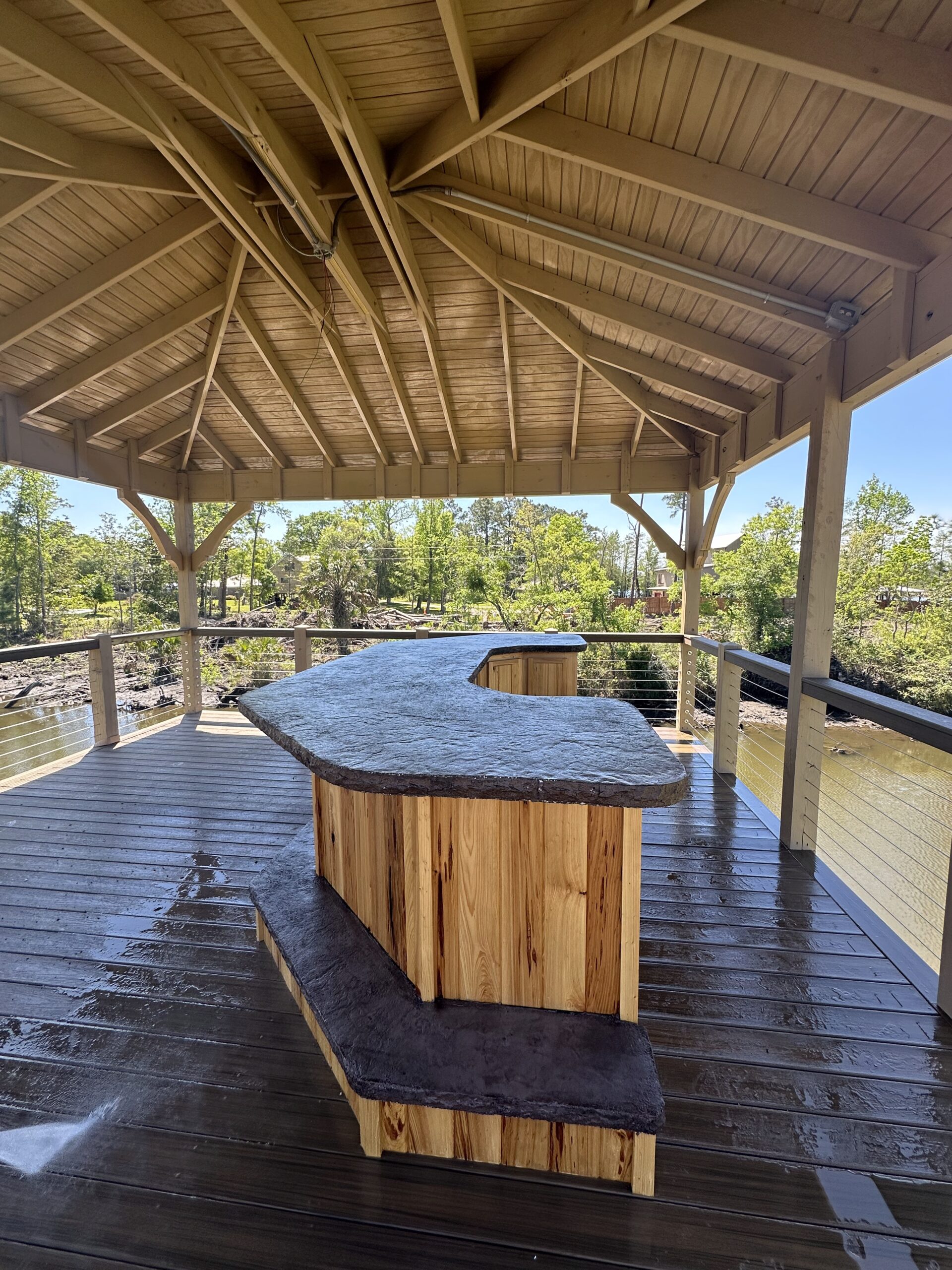
Overlay systems are available in different formulations and can provide a variety of decorative effects. Depending on the product, homeowners may be able to choose colors, textures, patterns, or finishes that better complement their home and outdoor living space.
Overlays can be considered for certain patios, pool decks, walkways, and other suitable concrete surfaces. They are particularly appealing when the existing slab is in adequate condition but the homeowner wants a different look.
However, an overlay is not simply a thin layer that can be applied over any concrete problem. The existing surface must be evaluated carefully before installation. Its stability, cleanliness, moisture conditions, previous coatings, and degree of deterioration can affect whether the overlay will perform as intended.
A successful project begins with determining whether the existing concrete is an appropriate foundation for the new finish.
What Does Installing New Concrete Involve?
Installing new concrete generally involves removing the existing surface when necessary, preparing the area, establishing an appropriate base, and placing new concrete.
The specific process depends on the property, the type of surface, site conditions, and the requirements of the project. Some jobs may also involve adjustments to grading, drainage, thickness, reinforcement, or joint placement.
New concrete can be the better choice when the existing slab has significant structural damage, extensive deterioration, substantial movement, or other problems that cannot be adequately addressed through resurfacing.
Replacement also provides an opportunity to reconsider the layout and dimensions of the area. A homeowner may want to expand a patio, change the shape of a pool deck, modify a walkway, or address drainage concerns that were not handled effectively during the original installation.
Although replacing concrete generally involves more demolition and preparation than applying an overlay, it can address underlying issues that a decorative finish alone cannot resolve.
When Is a Concrete Overlay the Better Choice?
A decorative overlay may be a suitable option when the existing concrete is stable and the primary goal is to improve its appearance.
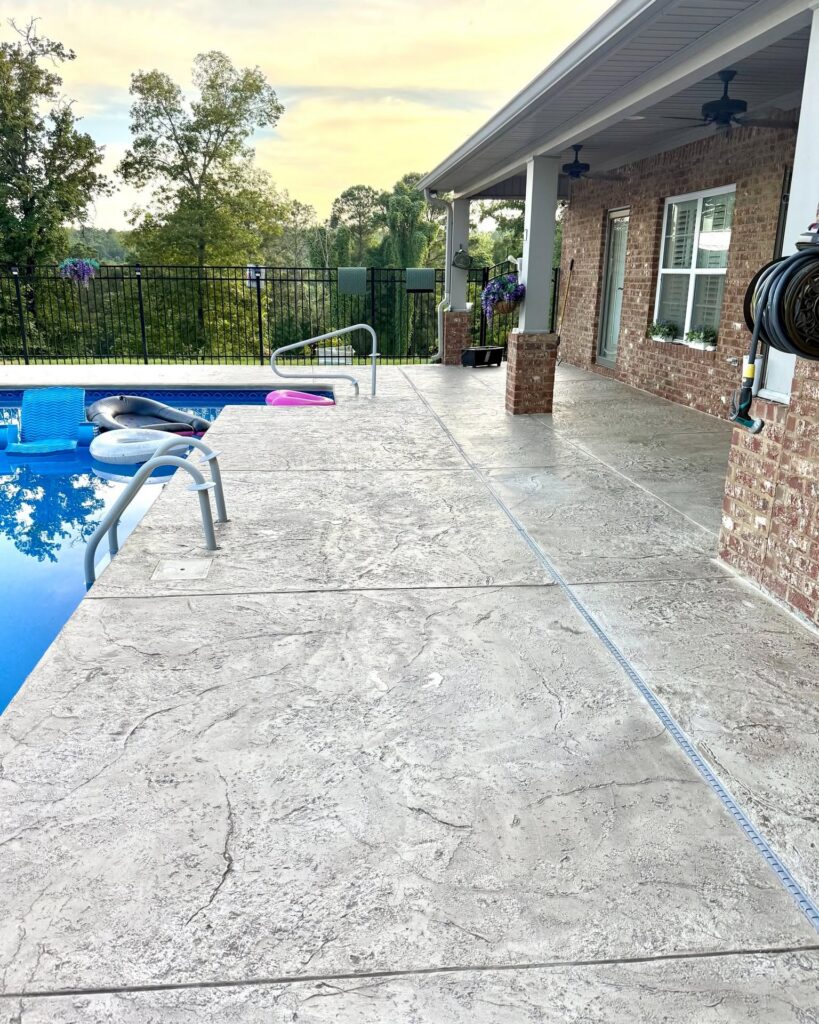
For example, a patio may be structurally sound but have an outdated finish that no longer complements the home’s exterior. A pool deck may need a visual update, or a walkway may benefit from a decorative surface that better matches nearby landscaping.
In these situations, an overlay may allow the homeowner to change the appearance of the space while retaining the existing slab.
The amount of preparation required depends on the condition of the surface and the overlay system selected. Existing sealers, paint, contaminants, and loose material may need to be removed. Cracks or damaged areas must be evaluated and addressed according to the requirements of the proposed system.
It is important to understand that an overlay does not automatically eliminate existing cracks or prevent future ones. If the underlying concrete continues to move, that movement may affect the new finish.
The suitability of an overlay should therefore be based on an assessment of the existing surface rather than appearance alone.
When Should You Consider Replacing Existing Concrete?
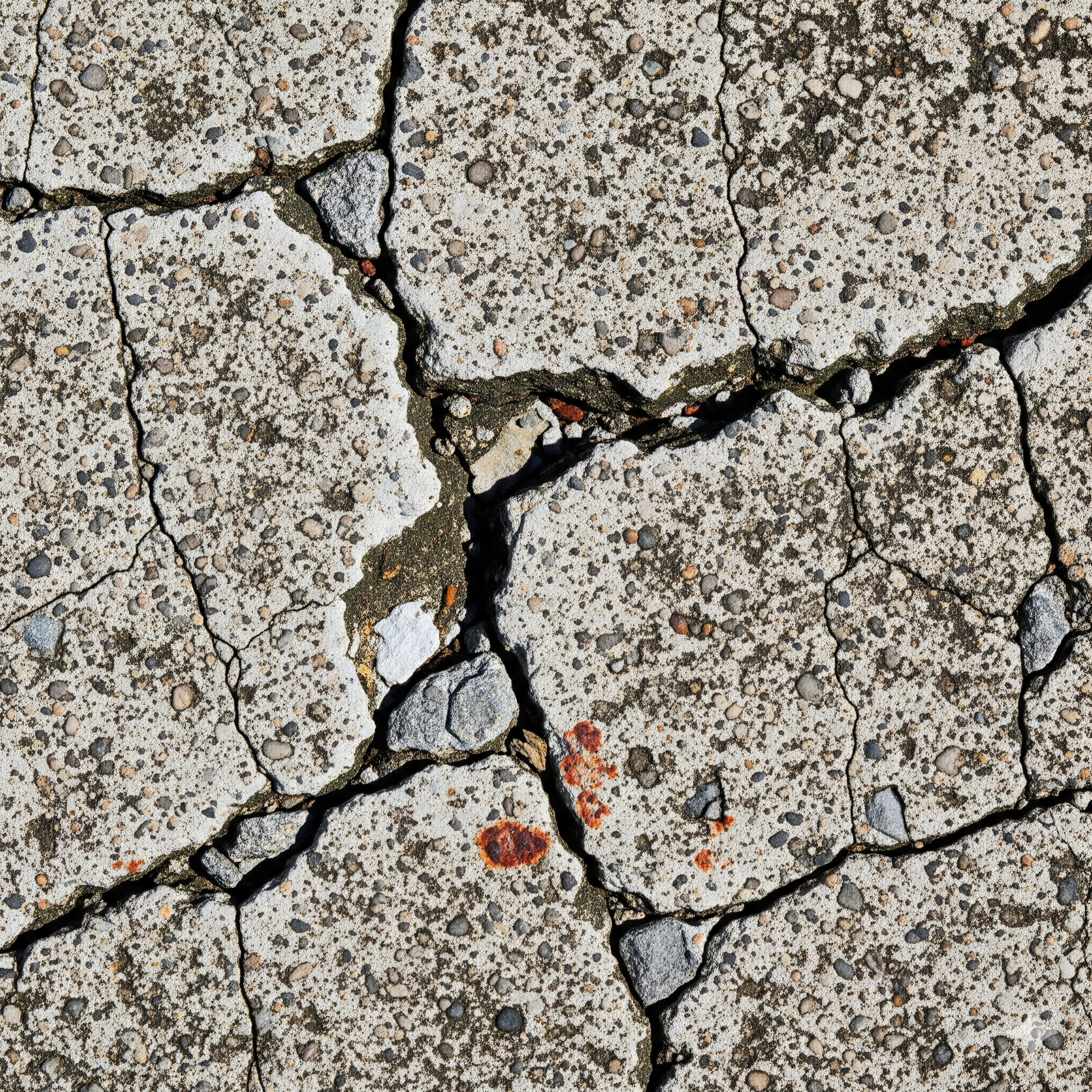
Some concrete problems go beyond surface appearance. If a slab has significant movement, extensive cracking, severe deterioration, or sections that have settled unevenly, applying a decorative overlay may not be an appropriate solution.
An overlay generally follows the underlying surface rather than correcting major problems with the base or structure. Covering a damaged slab without addressing the cause can lead to additional issues.
Replacement may also be worth considering when the existing concrete does not have the appropriate slope for drainage, when the layout needs to change substantially, or when the surface is no longer suitable for its intended use.
For example, a patio that consistently collects water in the wrong places may require more than a cosmetic improvement. The project may need grading or drainage corrections before a new surface is installed.
Similarly, a pool deck with significant movement or widespread deterioration may require a more comprehensive evaluation.
Not every crack means that concrete must be replaced, and not every older slab is suitable for an overlay. The extent of the damage, its underlying cause, and the requirements of the intended finish all influence the best course of action.
A professional assessment can help determine which option makes the most sense.
Comparing the Cost of Concrete Overlays and Replacement
Cost is an important consideration when deciding between resurfacing and installing new concrete. However, the lowest initial price does not always represent the best long term value.
A decorative overlay may cost less than full replacement when the existing slab is suitable and requires relatively limited preparation. The project may avoid extensive demolition and disposal, and it may involve less disruption to the surrounding area.
However, preparation can become more involved when the existing concrete has coatings, contamination, repairs, or other conditions that must be addressed before the overlay can be installed.
Replacement typically includes additional work associated with demolition, removal, base preparation, and the installation of new concrete. Depending on the project, it may also involve improvements to drainage, grading, or the overall layout.
These additional steps can increase the initial investment, but they may be necessary to correct problems that resurfacing cannot resolve.
The most useful comparison is between complete project proposals that address the actual condition of the property. Homeowners should consider what work is included, which problems will be corrected, what finish is being provided, and what maintenance may be required afterward.
Requesting an evaluation before deciding can help prevent spending money on a finish that does not address the underlying issue.
Design Possibilities for Decorative Concrete Overlays
One of the biggest benefits of a suitable overlay system is the ability to change the appearance of an existing surface.
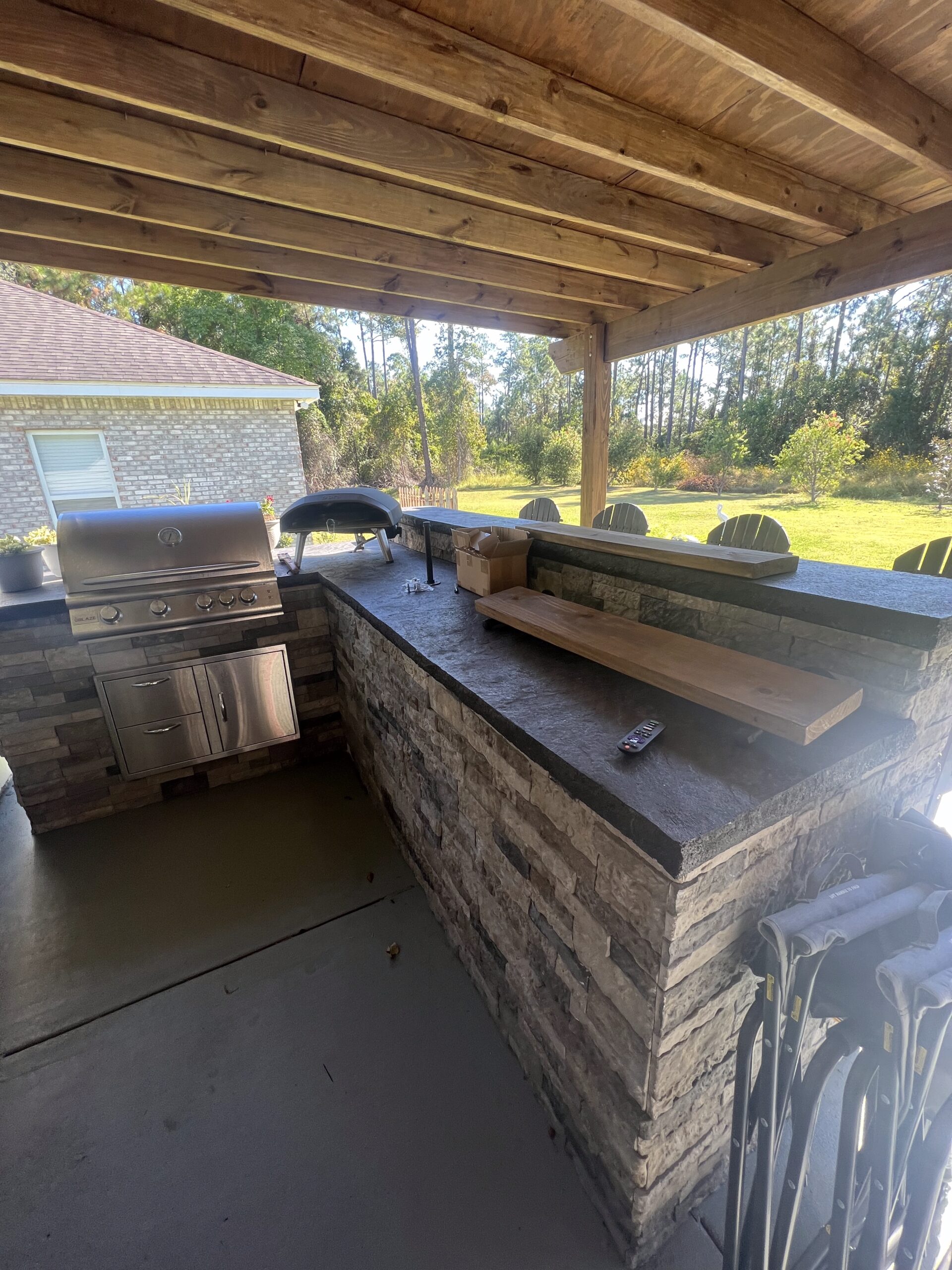
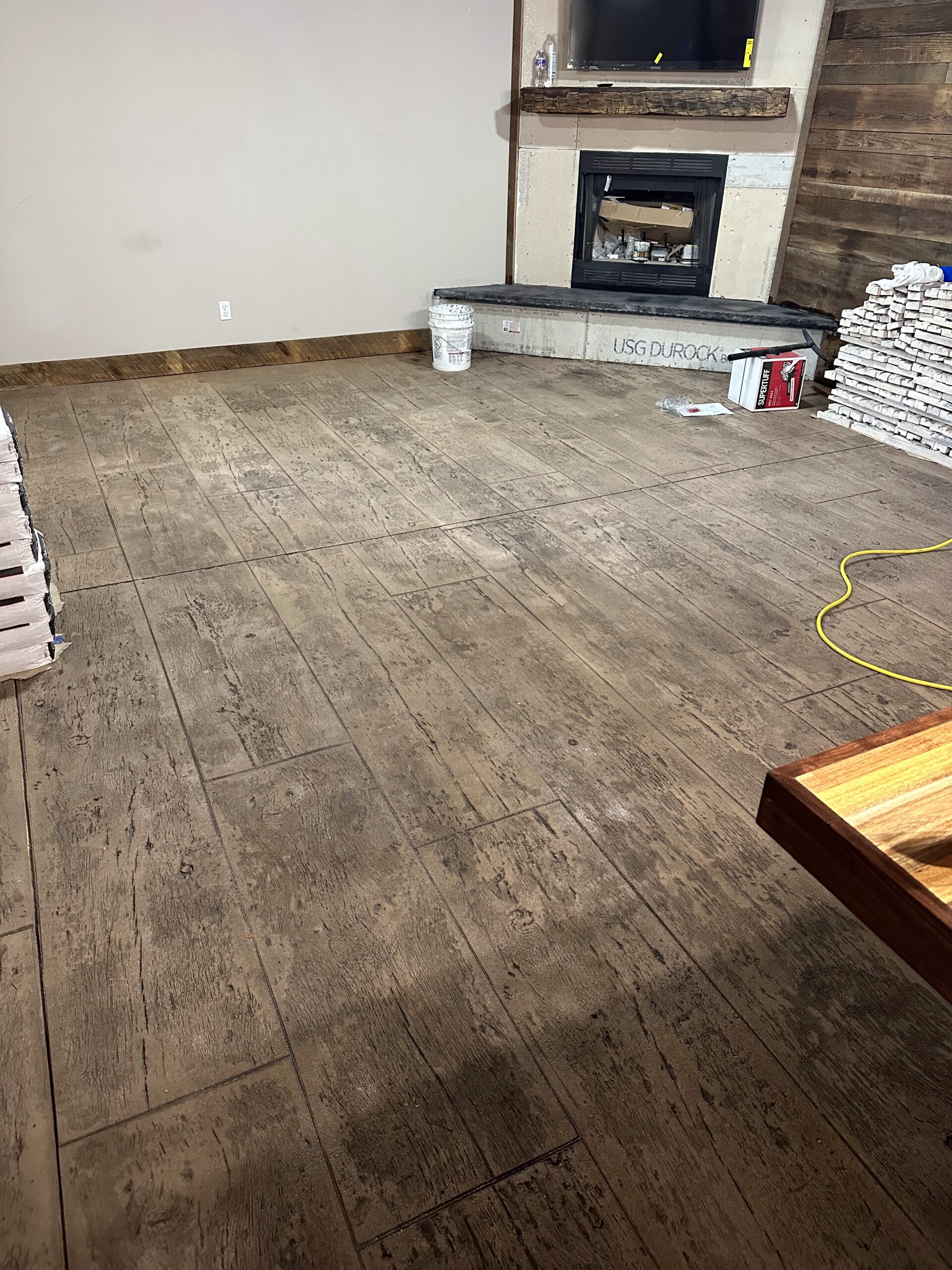
Depending on the system, decorative options may include textured finishes, patterns, color treatments, and designs that complement stone, tile, or other architectural materials.
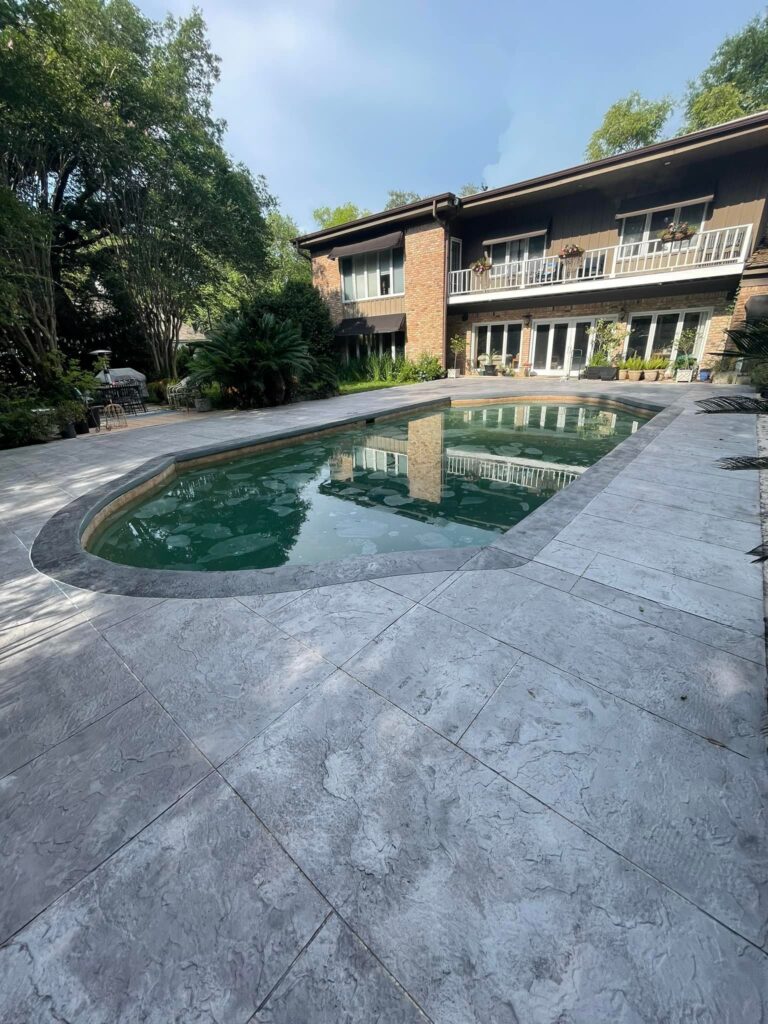
A homeowner updating an outdoor patio might choose a finish that coordinates with the home’s exterior and landscaping. Someone refreshing a pool deck may prefer a lighter color and a texture selected for the intended wet environment.
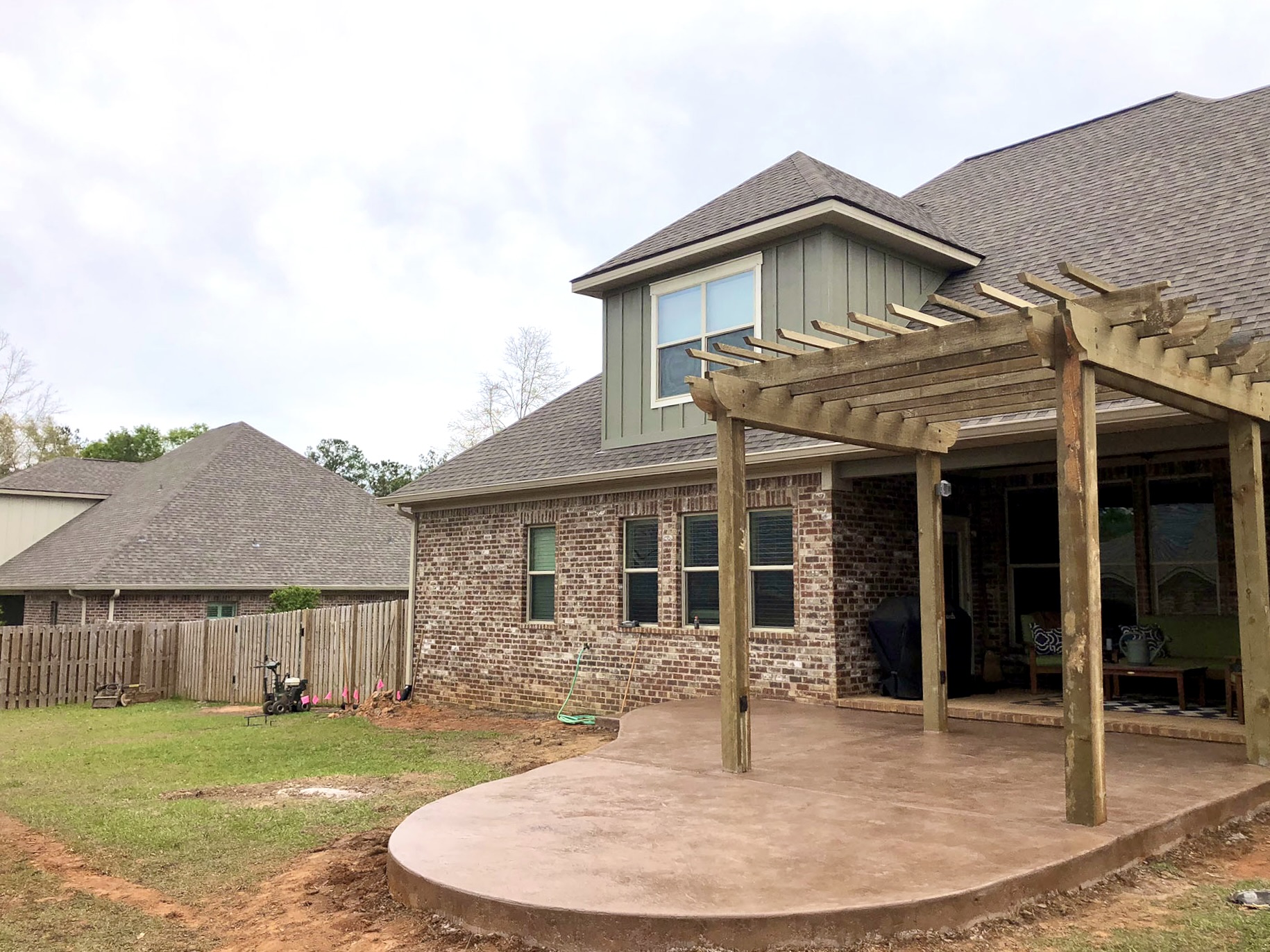
Overlays can also help visually connect separate areas of an outdoor living space. A coordinated finish across a patio and adjoining walkway, for example, may create a more consistent appearance.
The available designs depend on the specific overlay product, the condition of the slab, and the installation method. Not every finish is appropriate for every application, particularly in areas exposed to frequent moisture.
Color samples and finish examples can help homeowners evaluate the options before committing to a design.
Can a Concrete Overlay Be Used on a Pool Deck?
In some cases, yes. A decorative overlay designed for exterior use may be suitable for an existing pool deck if the concrete meets the system’s requirements.
Pool decks have particular considerations because they are regularly exposed to water, pool chemicals, sunlight, and barefoot traffic. The chosen material must be appropriate for these conditions.
Surface texture is especially important. A finish that looks attractive when dry may not provide suitable traction when wet. The selection of coatings and sealers also matters because some products can become slippery or may not be compatible with poolside use.
The condition of the existing slab is equally important. Significant movement, widespread deterioration, or unresolved drainage problems can make resurfacing unsuitable.
Before choosing an overlay for a pool deck, homeowners should discuss the intended use, surface preparation, traction, drainage, and maintenance requirements with their contractor.
If the existing concrete is not a suitable candidate, replacement or another repair strategy may be the more appropriate solution.
How the Gulf Coast Climate Affects Your Decision
Concrete surfaces in coastal Alabama experience intense sunlight, humidity, rainfall, and seasonal changes in temperature. These conditions can affect both existing concrete and the materials used to refresh it.
Moisture management is particularly important. Water entering through the surface or accumulating in problem areas can affect certain coating and overlay systems. Proper surface preparation and attention to drainage help reduce avoidable installation issues.
Temperature changes can also contribute to movement in concrete. Existing cracks may reflect shrinkage, movement in the supporting soil, or other factors. An overlay may not prevent those underlying conditions from affecting the new surface.
Replacement offers an opportunity to reassess the base, grading, joint placement, and other installation details. However, new concrete still requires appropriate preparation, curing, and maintenance.
The coastal environment should also influence the choice of decorative materials and protective products. Products should be selected for their intended exterior application, and manufacturer recommendations should be followed.
Taking local conditions into account helps ensure that the decision is based on more than the immediate appearance of the finished surface.
Maintenance After an Overlay or New Concrete Installation
Both decorative overlays and new concrete benefit from appropriate maintenance. The exact requirements depend on the finish, the products used, and the amount of exposure to weather and everyday use.
Regular cleaning helps remove dirt, leaves, and other debris that can affect the appearance of the surface. Spills should be addressed using cleaning methods suitable for the installed system.
Homeowners should also monitor the surface for cracking, peeling, areas of separation, or changes in drainage. Early evaluation can help identify whether a concern is cosmetic or related to a more significant underlying problem.
Some decorative finishes benefit from periodic resealing, while others have different maintenance requirements. Applying an incompatible sealer or using an overly aggressive cleaning method can damage certain surfaces, so it is important to follow the recommendations for the specific installation.
New concrete also needs time to cure and develop its intended properties. It should not be placed into service prematurely, and the contractor’s instructions regarding traffic, furniture, cleaning, and sealing should be followed.
Routine care and realistic expectations can help homeowners preserve the appearance of their concrete investment.
Questions to Ask Before Choosing an Option
Before moving forward with a concrete overlay or replacement project, it helps to understand the condition of the existing slab and what the proposed work will accomplish.
Ask whether the concrete is structurally suitable for resurfacing, what preparation will be required, and whether the cause of any cracking or settlement has been identified. Find out which materials and finishes are being proposed and whether they are designed for the intended location.
It is also worth discussing drainage, expected maintenance, curing requirements, and the limitations of the selected system. If replacement is recommended, ask what issues it will address and whether the project includes the necessary base preparation and grading.
A clear explanation of the options makes it easier to compare proposals and understand the value of the recommended work.
Let ProCon Decorative Concrete Help You Explore Your Options
Updating an existing concrete surface does not always require starting over. In some situations, a decorative overlay can provide a refreshed appearance while retaining a suitable slab. In others, replacing the concrete may be the more dependable way to address significant damage or underlying site issues.
The right decision depends on the condition of the existing surface, the goals of the project, the chosen finish, and the requirements of the space.
ProCon Decorative Concrete LLC serves homeowners and property owners in Foley, Gulf Shores, Orange Beach, Ono Island, Fort Morgan, the Eastern Shore, Perdido Key, and coastal Mississippi. ProCon offers decorative concrete solutions for a variety of outdoor and residential projects.
If your patio, pool deck, walkway, or other concrete surface needs an update, ProCon can help you explore the available options and determine which approach may be appropriate for your project.
Contact ProCon Decorative Concrete to discuss your existing concrete, review potential finishes, and plan the next step toward a more attractive outdoor space.