If you own a concrete driveway, patio, sidewalk, or slab, chances are you’ve noticed cracks at some point. For many homeowners, the sight of a crack immediately raises concerns about safety, stability, and costly repairs. The truth is, not all cracks are cause for alarm. Understanding which cracks are normal and which require attention can save you time, money, and unnecessary stress.
Concrete is an incredibly strong and durable material, but it is not immune to movement or environmental changes. Learning how and why cracks form is the first step in knowing when to monitor a crack and when to call a professional.
Why Concrete Cracks in the First Place
Concrete cracks primarily due to natural processes that occur as the material cures and responds to its environment. As concrete dries, it shrinks slightly, which can result in hairline cracks known as shrinkage cracks. These are common and often unavoidable, even in well-installed concrete.
Temperature changes also play a major role. Concrete expands in heat and contracts in cold, and over time, this movement can cause cracks to appear. Soil movement beneath the slab, moisture fluctuations, heavy loads, and improper installation can also contribute to cracking.
Cracks That Are Usually Normal
Some cracks are considered cosmetic and do not indicate a structural problem. Hairline cracks, also known as surface cracks, are thin and shallow, often appearing shortly after installation or over time as the concrete naturally settles. These cracks typically do not affect the strength or safety of the slab.
Another common type is control joint cracking. Control joints are intentionally placed in concrete to guide where cracks occur as the concrete shrinks. When cracking follows these joints, it is performing exactly as designed and is not a sign of failure.
While these cracks may be visually unappealing, they are often good candidates for decorative or cosmetic repair rather than structural intervention.
Cracks That Should Raise Concern
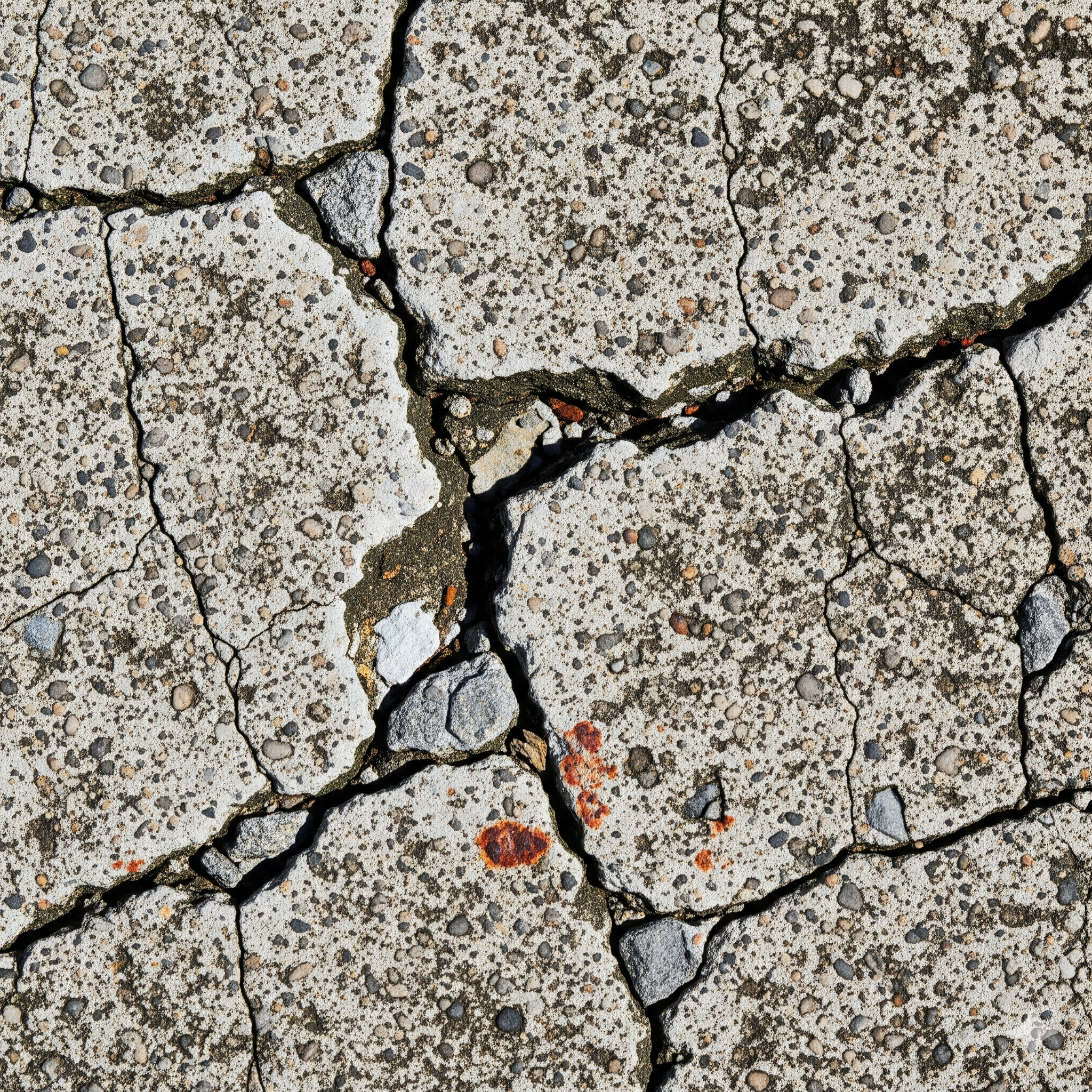
Not all cracks are harmless. Wider cracks, especially those that grow over time, may indicate underlying issues. If a crack is wider than about a quarter inch, uneven on either side, or forming in a pattern that suggests movement, it may point to foundation or subgrade problems.
Cracks accompanied by sinking, lifting, or pooling water are also red flags. These symptoms can signal soil erosion, improper drainage, or inadequate support beneath the slab. In these cases, prompt professional evaluation is important to prevent further damage.
Vertical displacement, where one side of the crack is higher than the other, often suggests structural shifting and should not be ignored.
When Repair Is Enough
Many concrete cracks can be effectively repaired without replacing the entire surface. Crack filling, resurfacing, and sealing can restore both the appearance and function of concrete in many situations. These solutions are often cost-effective and significantly extend the life of your concrete.
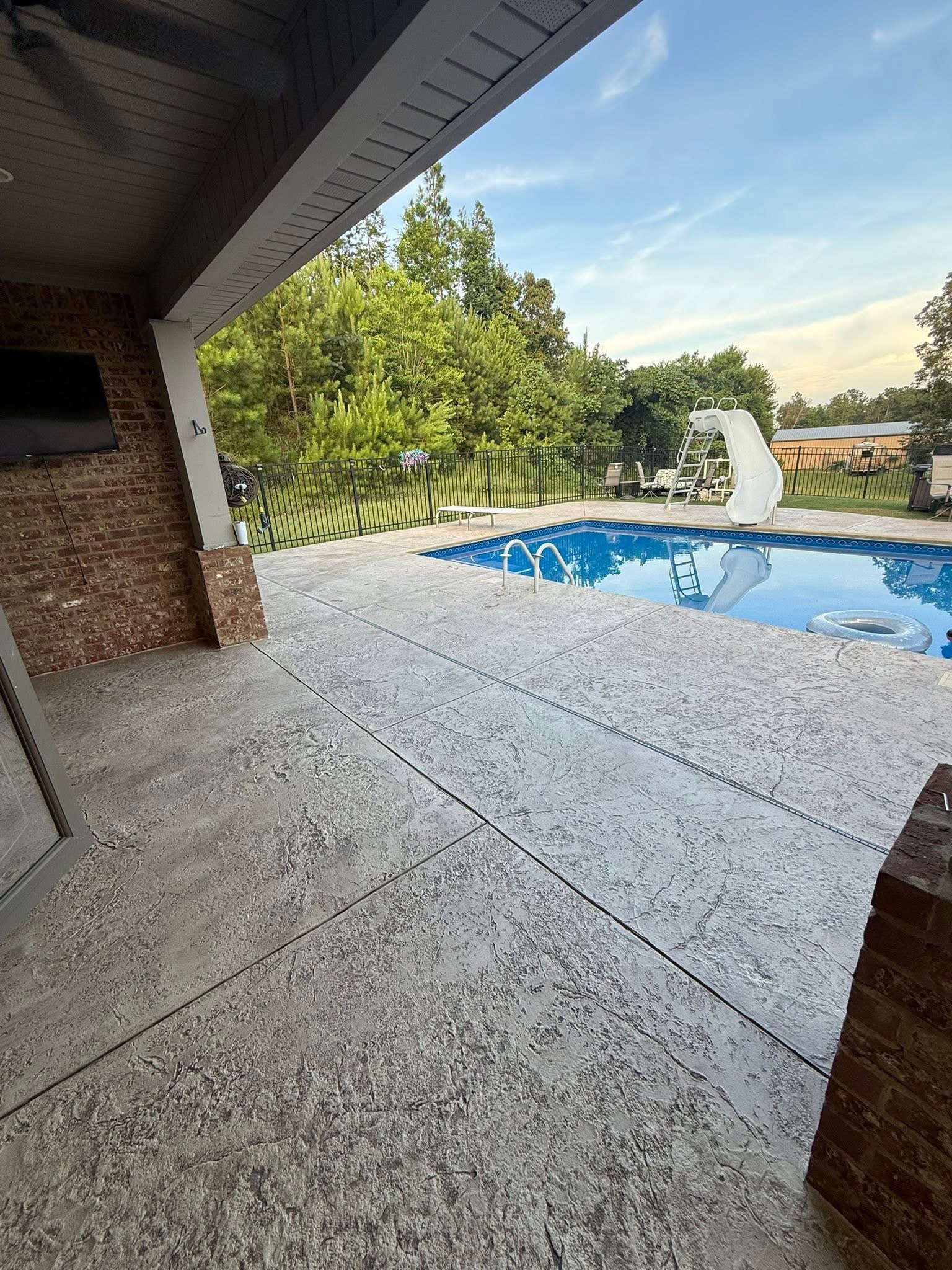
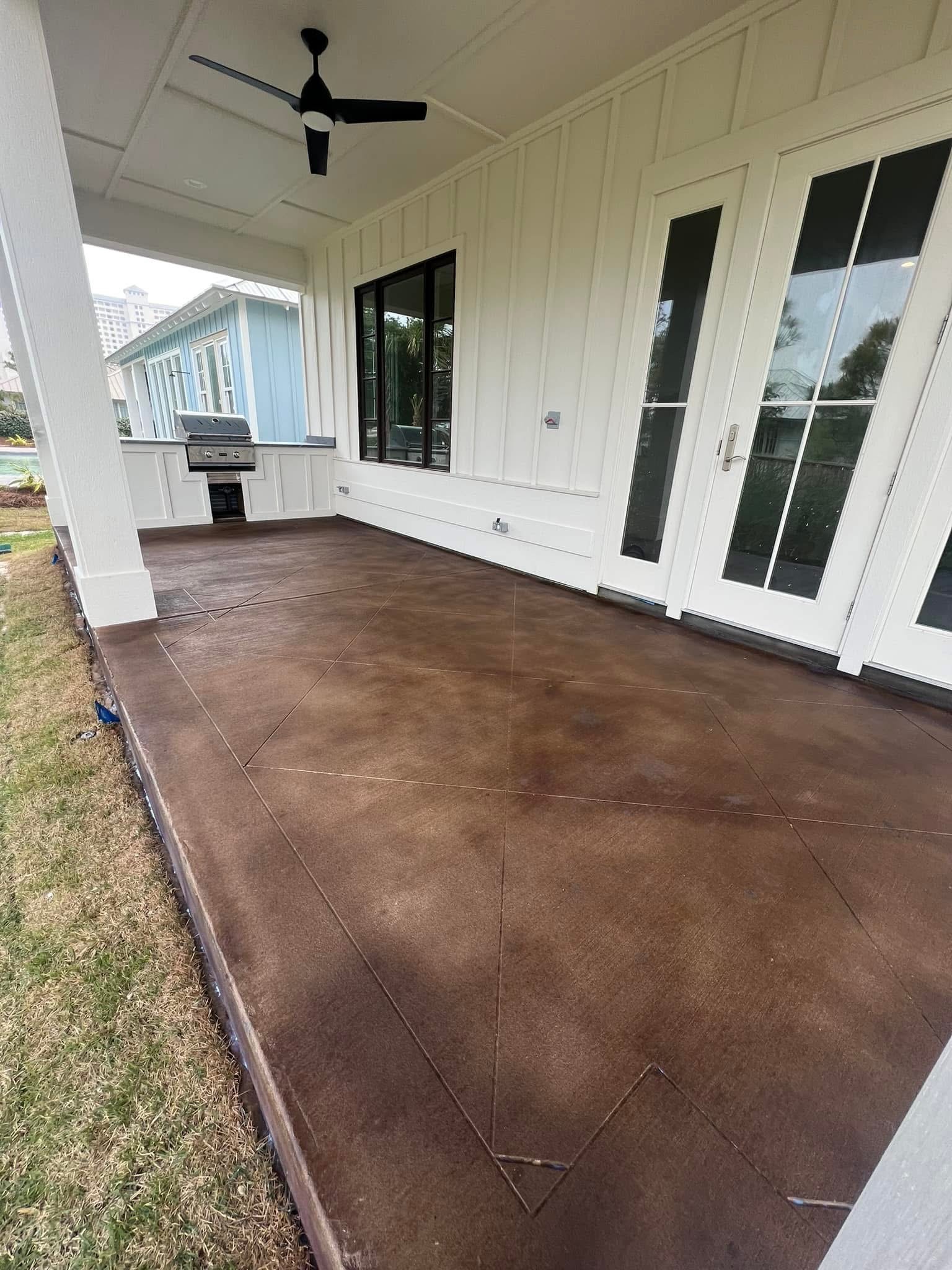
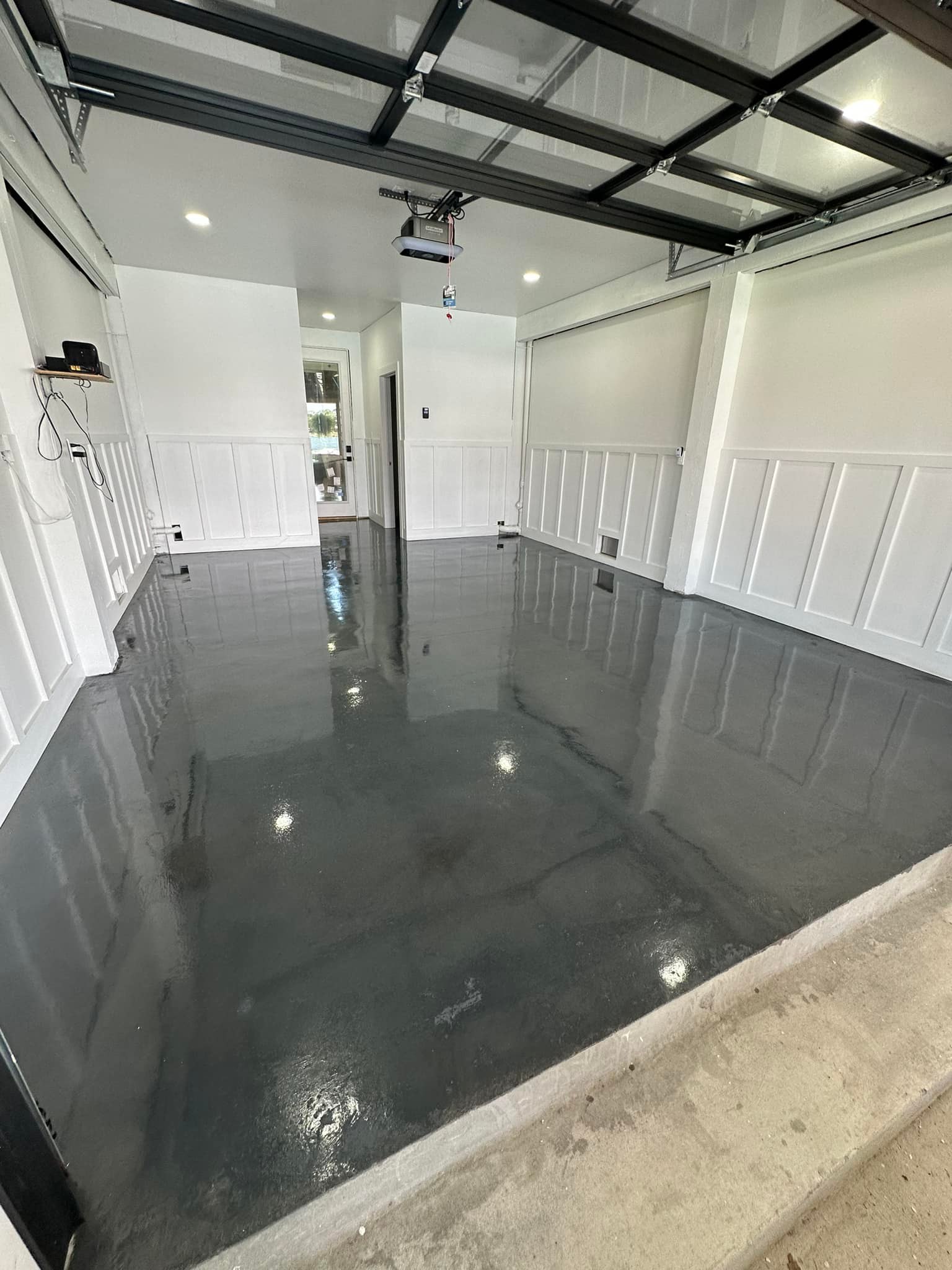
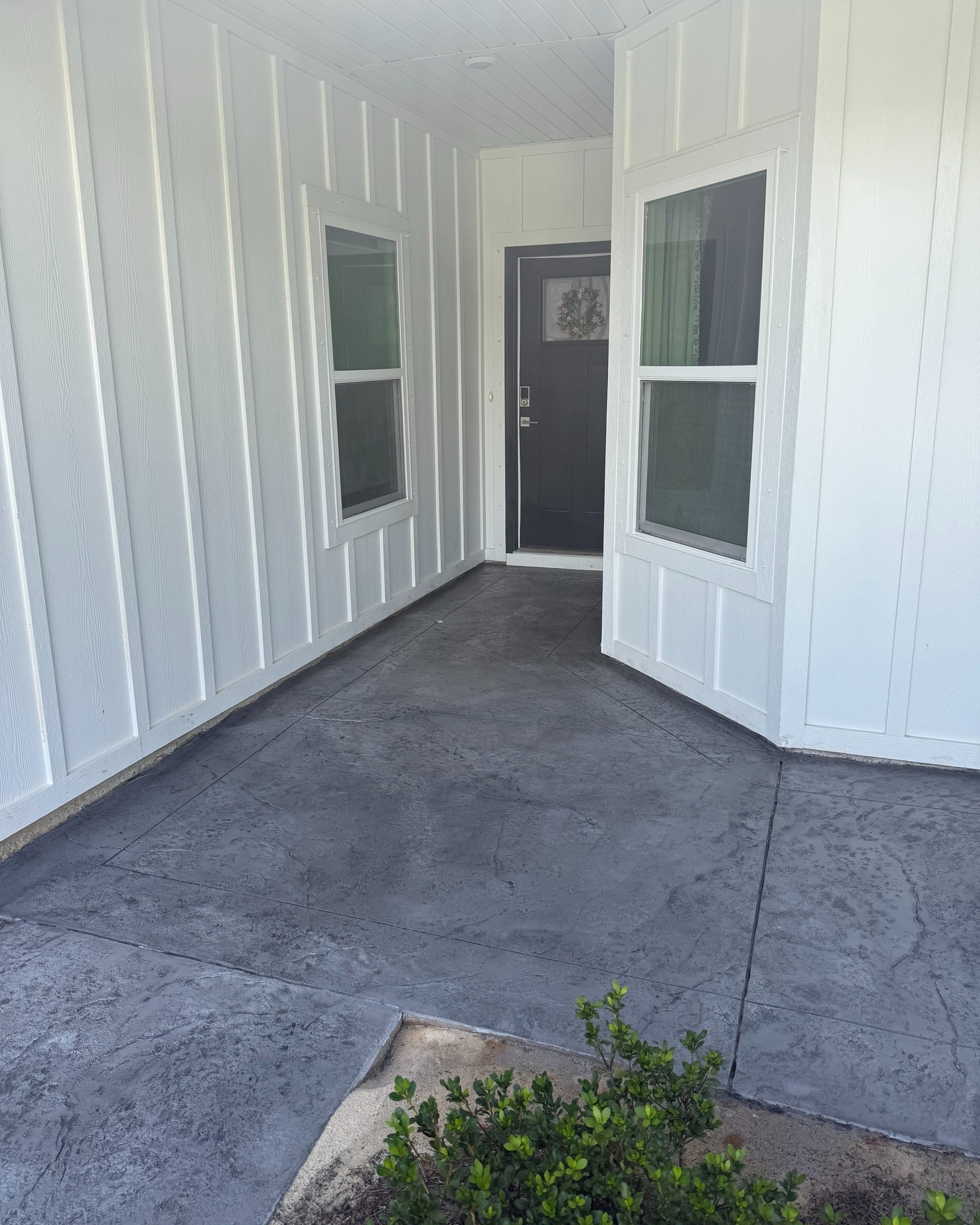
Decorative concrete techniques can also be used to transform cracked or worn surfaces into attractive features. Stamped overlays, stains, and coatings allow homeowners to improve aesthetics while addressing minor imperfections.
Professional repair ensures that cracks are treated properly, preventing moisture intrusion and future deterioration.
When Replacement May Be Necessary
In cases where cracking is severe, widespread, or tied to structural instability, replacement may be the safest option. While more expensive upfront, replacing failing concrete can prevent recurring repairs and ongoing issues.
A professional concrete contractor can assess whether repair or replacement is the better long-term solution based on the condition of the slab and the underlying cause of the damage.
Why Professional Evaluation Matters
Attempting DIY repairs without understanding the root cause of cracks can lead to temporary fixes that fail over time. A professional evaluation identifies whether cracks are cosmetic, functional, or structural, ensuring the right solution is applied from the start.
At ProCon, combining repair expertise with decorative concrete options allows homeowners to not only fix problems but also enhance the appearance and value of their property at the same time.
Final Thoughts
Concrete cracks are a normal part of ownership, but knowing which ones are harmless and which require attention makes all the difference. With proper evaluation and professional repair, many cracked surfaces can be restored to both safe and attractive condition.
Whether your goal is durability, appearance, or both, addressing concrete cracks early helps protect your investment and extend the life of your concrete surfaces.