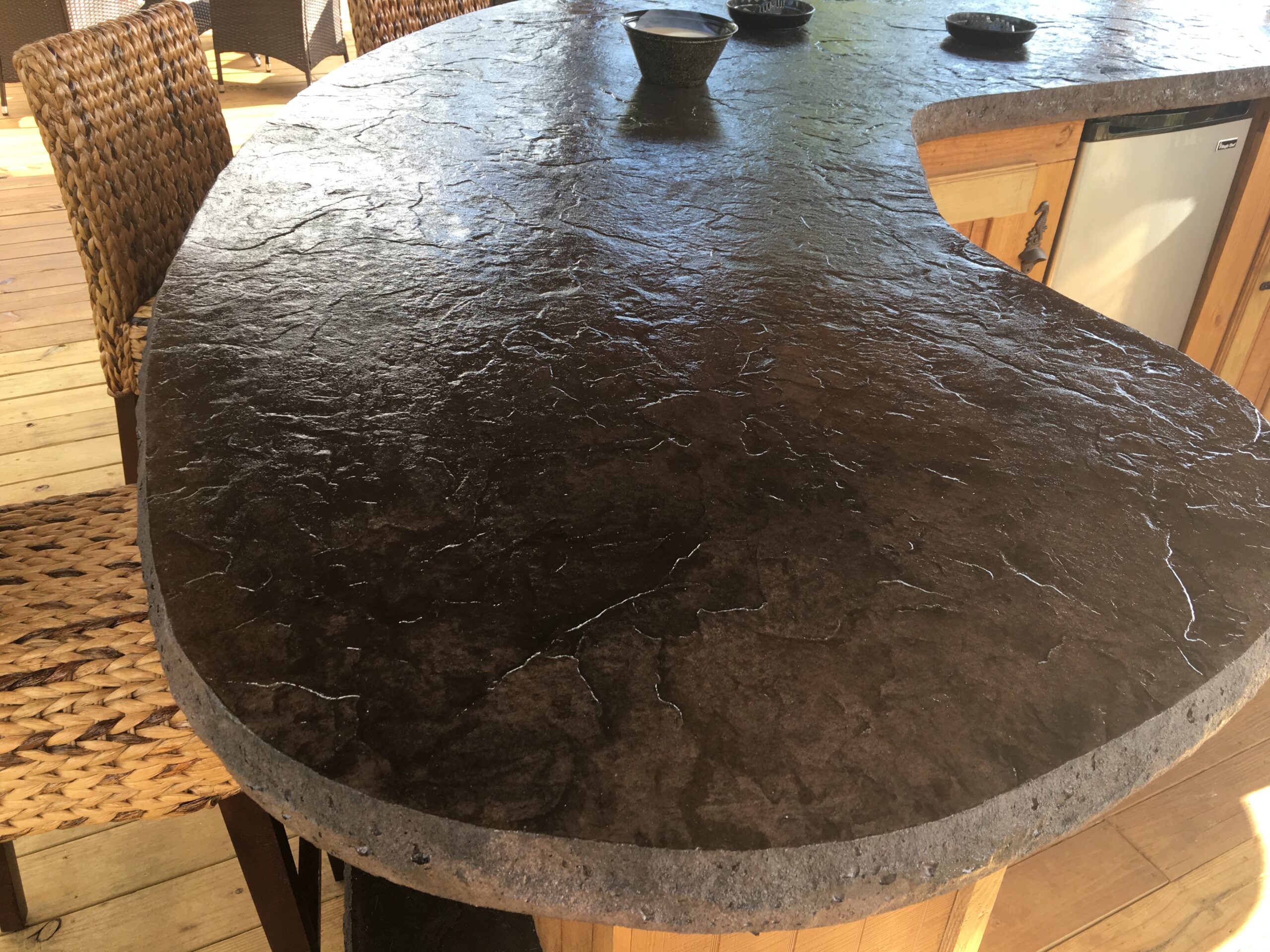
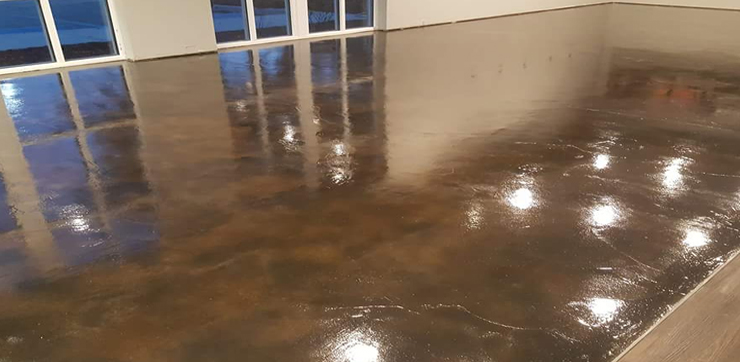
Concrete is often seen as a purely functional material, but modern techniques have transformed it into a versatile canvas for creative and durable design. Among these techniques, staining has emerged as one of the most popular methods to elevate both residential and commercial spaces. Stained concrete combines aesthetics and practicality, offering a wide range of colors, textures, and finishes that can match any design vision while maintaining the durability concrete is known for.
What is Stained Concrete?
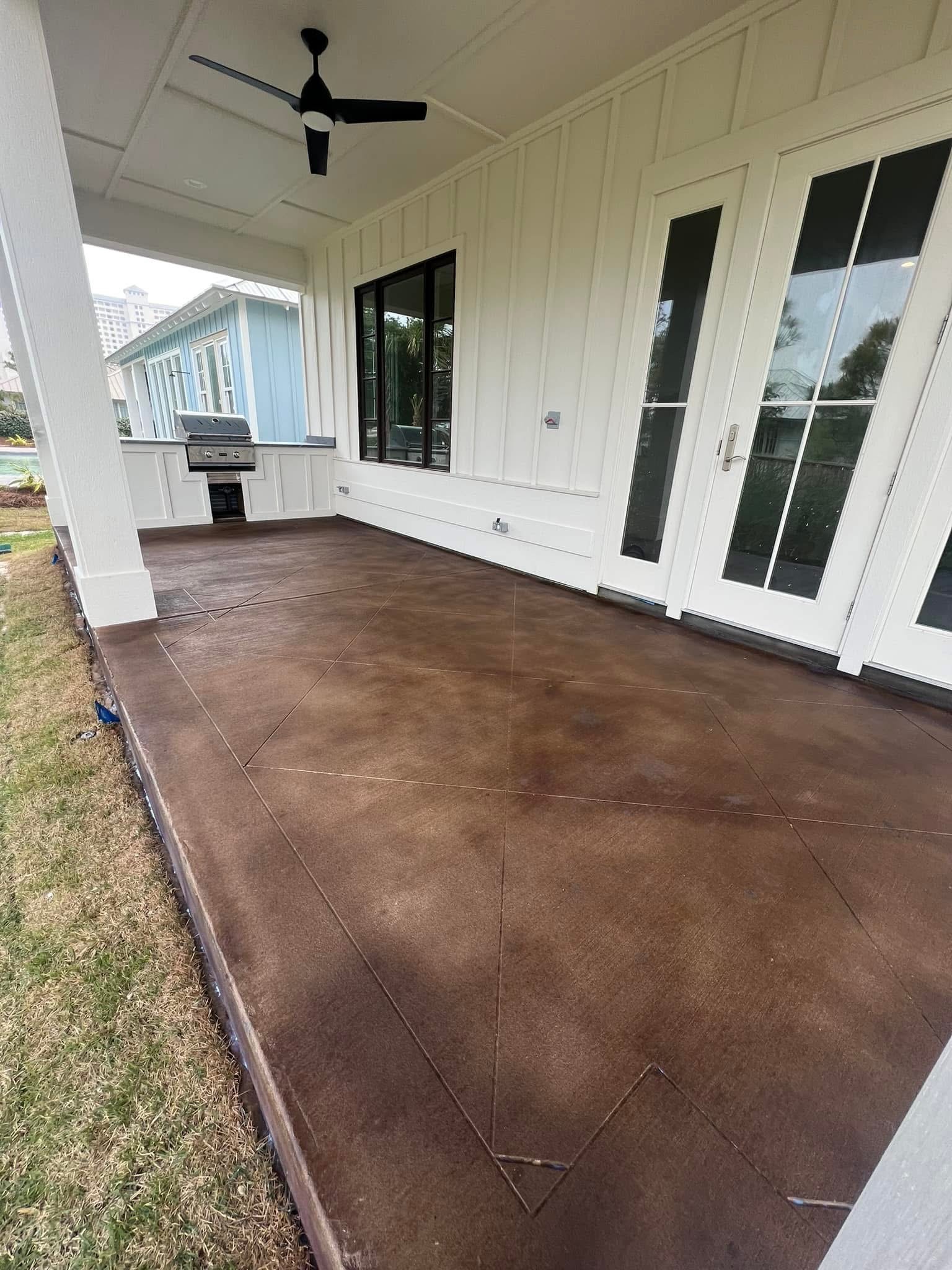
Stained concrete involves applying a chemical or water-based stain to a cured concrete surface. The stain penetrates the material, creating long-lasting color that highlights the natural texture of the concrete. Unlike paint, which sits on the surface, staining allows the concrete to maintain its strength and resilience while providing a rich, vibrant appearance.
There are two main types of stains: acid-based and water-based. Acid stains react chemically with the minerals in the concrete, producing variegated, natural tones that resemble stone or marble. Water-based stains, on the other hand, offer a broader spectrum of colors, including brighter and more saturated shades. Both methods can be customized to achieve specific aesthetic goals, from subtle earth tones to bold design statements.
Matching Any Design Aesthetic
One of the greatest advantages of stained concrete is its adaptability to virtually any design style. For homeowners, stained concrete can mimic the appearance of natural stone, tile, or even wood, providing a high-end look without the cost or maintenance associated with traditional materials. Modern staining techniques allow for custom patterns, borders, and designs, enabling homeowners to personalize floors, patios, and other surfaces.
In commercial settings, stained concrete offers both functionality and style. Restaurants, retail spaces, and office buildings benefit from durable flooring that can withstand heavy foot traffic while contributing to the overall brand aesthetic. With the ability to customize colors and finishes, stained concrete can seamlessly blend with existing décor or serve as a bold design centerpiece.
Durability and Longevity
Beyond aesthetics, stained concrete offers impressive durability. The staining process penetrates the concrete, creating a surface that is resistant to wear, fading, and chipping. Unlike other flooring materials that may require replacement or refinishing over time, stained concrete maintains its beauty for decades when properly sealed and maintained.
This longevity is particularly beneficial for high-traffic areas such as kitchens, entryways, commercial spaces, and outdoor patios. The seamless nature of stained concrete also minimizes the risk of cracks or damage that can occur with tile grout or wood seams, further enhancing its long-term performance.
Low Maintenance Benefits
Stained concrete is not only beautiful and durable but also remarkably easy to maintain. Routine cleaning typically involves sweeping and occasional damp mopping. A high-quality sealant protects the color and enhances resistance to stains, spills, and moisture. For homeowners and business owners alike, this low-maintenance aspect makes stained concrete a practical choice without sacrificing style.
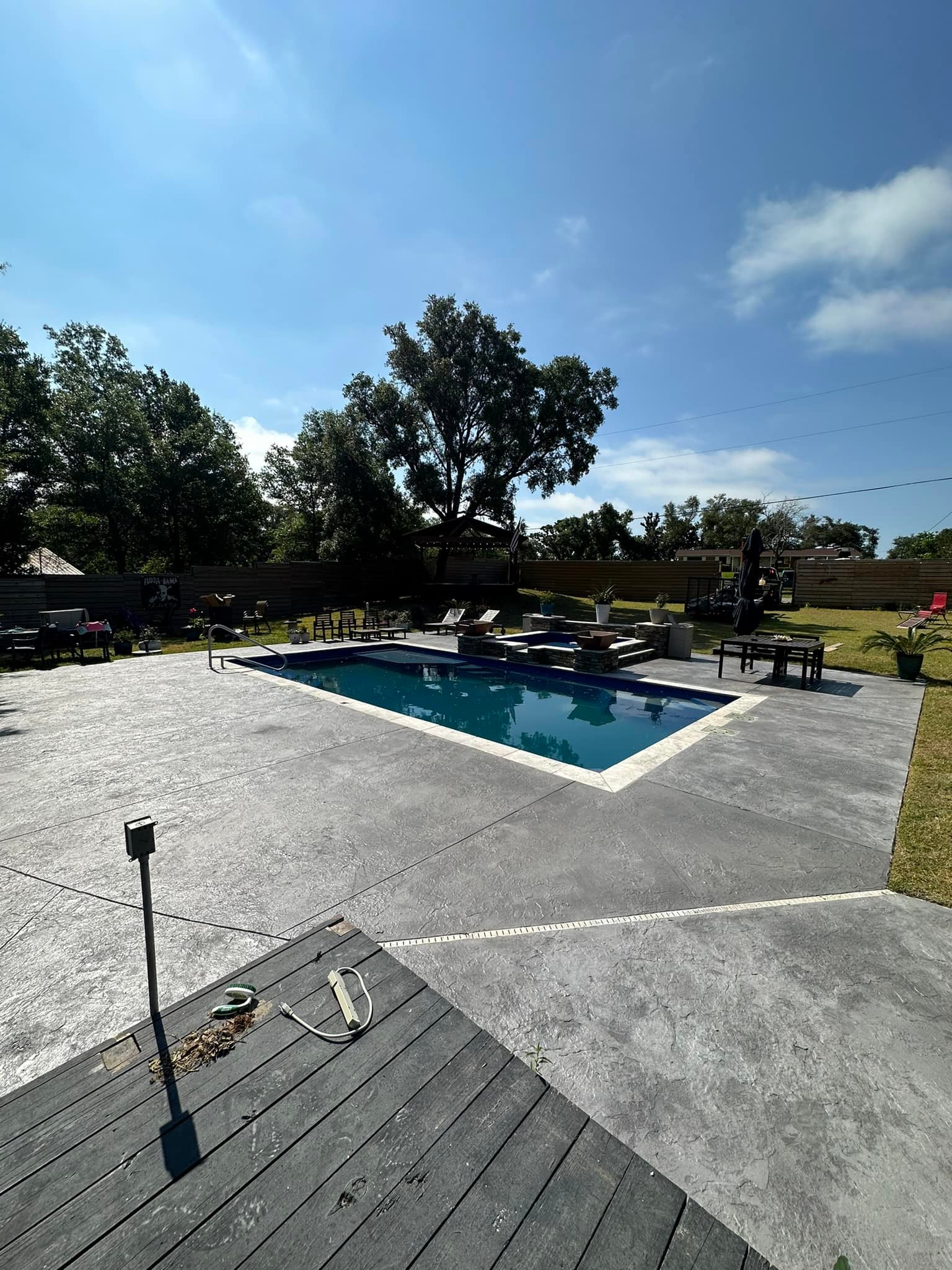
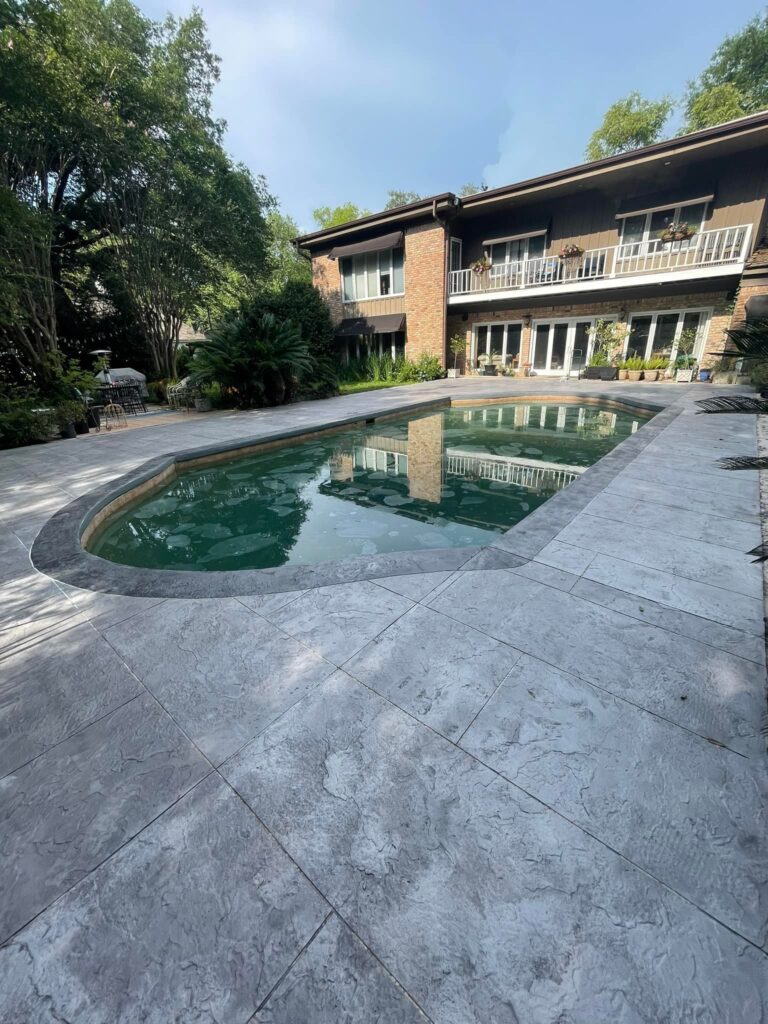
In outdoor applications, stained concrete resists weathering and can be paired with slip-resistant finishes for safety. Patios, pool decks, and walkways benefit from the combination of durability, visual appeal, and minimal upkeep.
Enhancing Spaces with Color and Texture
The versatility of stained concrete extends beyond color. Texture can be added through stamping, engraving, or etching, creating surfaces that mimic natural materials such as slate, brick, or cobblestone. Combined with staining, these techniques allow for highly creative designs that transform ordinary concrete into striking architectural features.
Designers and homeowners can choose from subtle, uniform finishes that highlight the natural beauty of the concrete, or bold, variegated patterns that make a statement. Borders, medallions, and custom designs can be integrated into floors, countertops, and outdoor surfaces to create a truly personalized look.
Environmentally Friendly Option
Stained concrete is also a sustainable flooring choice. Many applications use existing concrete slabs, reducing the need for additional materials. The long lifespan of stained concrete minimizes waste, and low-maintenance surfaces reduce the use of harsh cleaning chemicals over time. For eco-conscious homeowners and business owners, stained concrete offers a combination of style, practicality, and environmental responsibility.
Conclusion
Stained concrete is a versatile, durable, and stylish solution for a wide range of residential and commercial applications. Its ability to match any design aesthetic, combined with long-lasting performance and low maintenance, makes it a popular choice for those seeking both beauty and function. Whether used indoors or outdoors, stained concrete transforms ordinary surfaces into striking, customized elements that enhance property value and everyday enjoyment.
For anyone looking to combine style, practicality, and longevity, stained concrete provides an elegant, cost-effective, and enduring solution that stands the test of time.