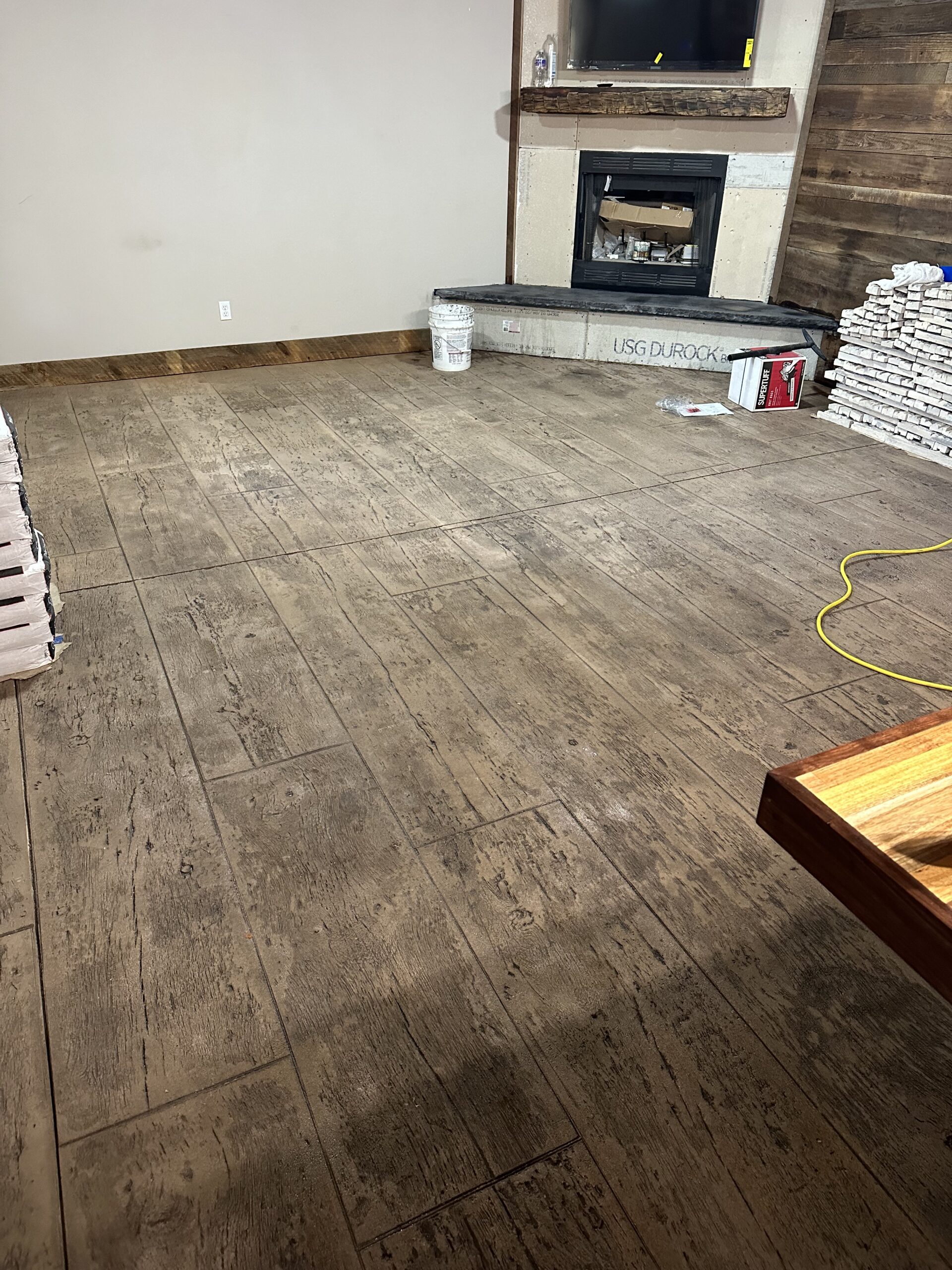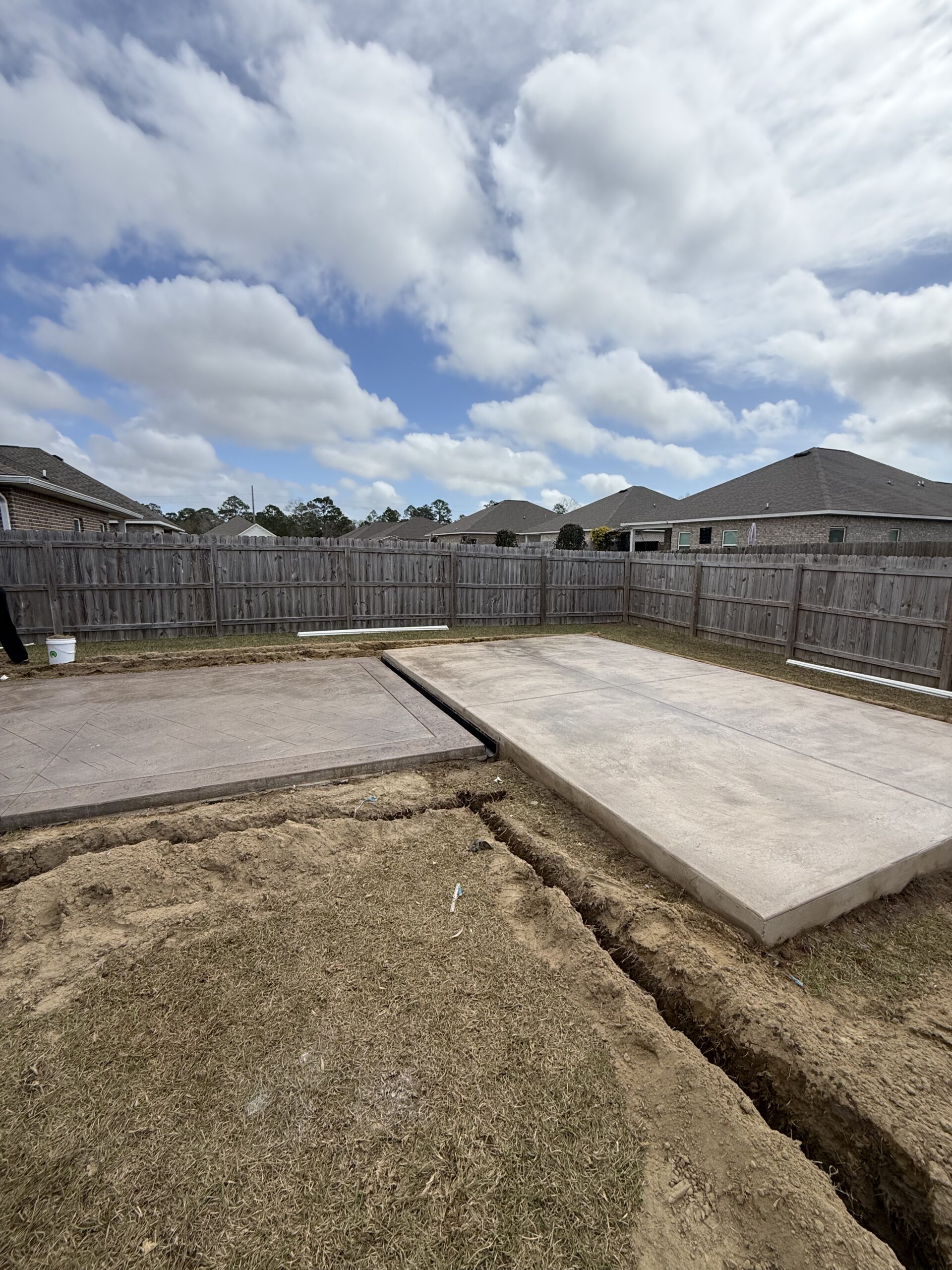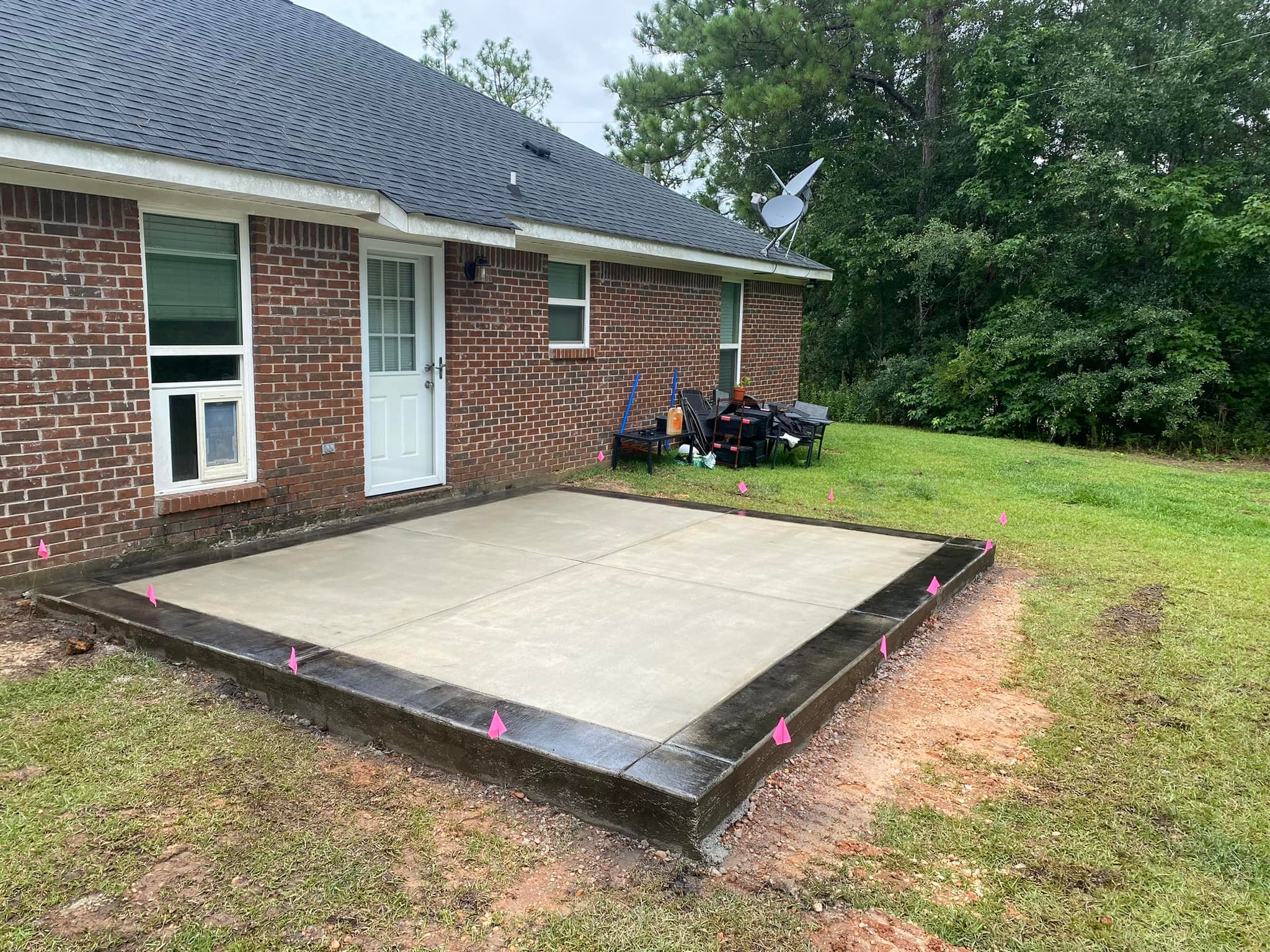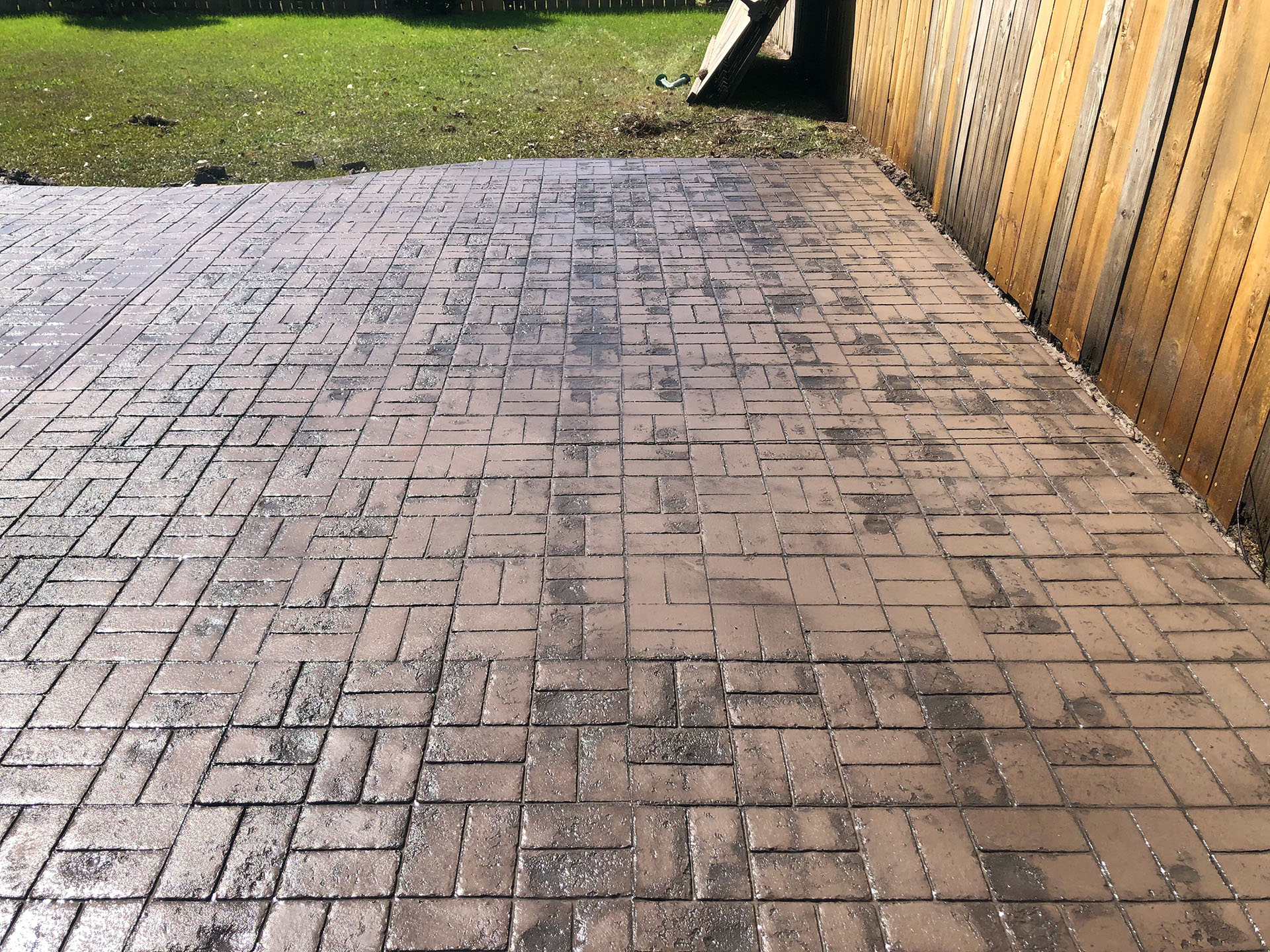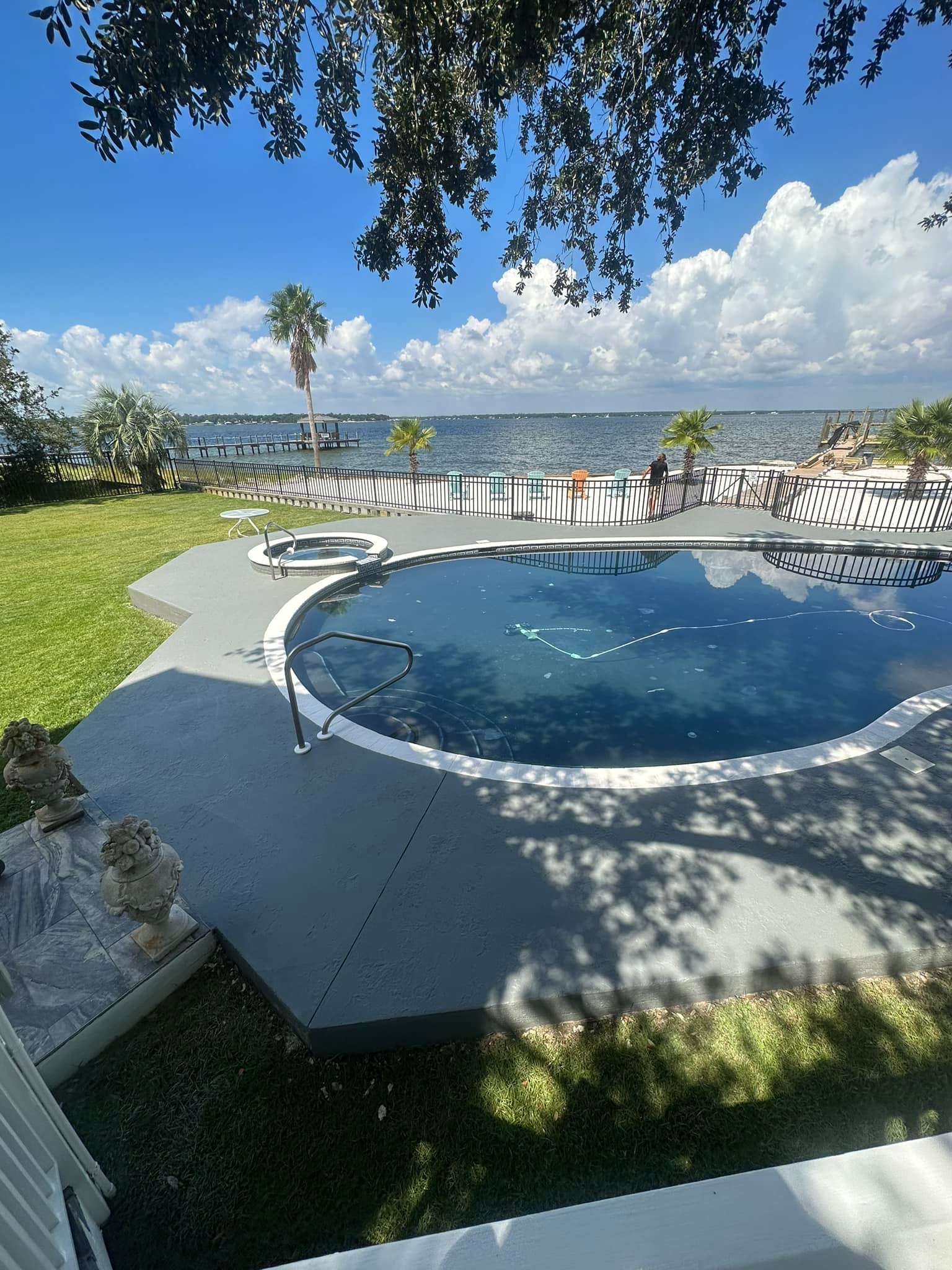
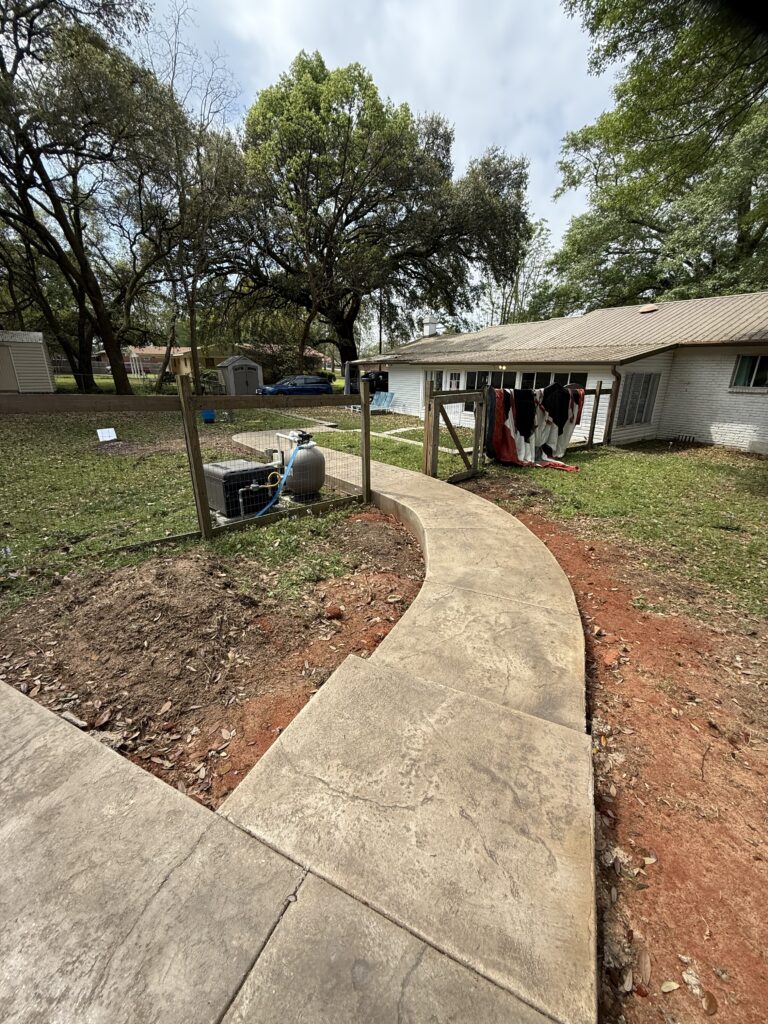
Decorative concrete has become one of the most versatile and appealing options for homeowners and businesses looking to combine style with durability. From stamped patios and polished interior floors to colorful stained driveways, decorative concrete allows for stunning designs that can transform any space. However, achieving long-lasting beauty requires more than just aesthetic appeal—it requires an understanding of the science behind concrete performance. Proper curing, sealing, and maintenance are essential to preserving the look and durability of decorative concrete for decades. By understanding the processes involved, property owners can ensure that their investment remains both functional and visually striking over time.
The Role of Curing in Decorative Concrete Durability
Curing is the critical first step in ensuring that decorative concrete achieves maximum strength and longevity. After the concrete is poured and shaped, it undergoes a chemical process called hydration, where water reacts with cement to form strong, interlocking crystals. Proper curing ensures that this process occurs evenly and completely, resulting in a hard, durable surface that can resist cracking, chipping, and surface wear.
Decorative concrete is particularly sensitive to curing because many aesthetic finishes—such as staining, polishing, or stamping—are applied shortly after the pour. If the concrete dries too quickly or unevenly, it can lead to color inconsistencies, surface defects, or premature deterioration. Techniques such as keeping the surface moist, covering it with curing blankets, or using curing compounds are commonly employed to regulate moisture and temperature during the critical early stages. A well-cured concrete surface forms the foundation for decades of durability and ensures that decorative treatments adhere properly.
Sealers: Protecting and Enhancing Decorative Concrete
Sealers play a vital role in maintaining both the beauty and longevity of decorative concrete. While curing strengthens the concrete itself, sealers create a protective barrier on the surface that guards against moisture, chemicals, abrasion, and UV damage. There are two main categories of sealers: penetrating sealers and topical sealers.
Penetrating sealers are absorbed into the concrete and react chemically to form a protective layer within the surface. They help prevent water infiltration, reduce the risk of staining, and enhance resistance to freeze-thaw damage, all without altering the appearance of the concrete. Topical sealers, on the other hand, create a film on the surface that can enhance color and shine while providing a more noticeable protective layer. Choosing the right sealer depends on the type of decorative concrete, the desired look, and the environmental conditions the surface will face. Regular reapplication, guided by the manufacturer’s recommendations and the level of traffic, ensures that the concrete remains protected for years to come.
Maintenance: Keeping Decorative Concrete Looking Fresh
Even with proper curing and sealing, maintenance is essential to preserve decorative concrete. Routine cleaning prevents dirt, debris, and stains from embedding into the surface, while spot treatments address spills and marks before they cause long-term damage. Gentle cleaning methods, such as sweeping, using a mild detergent, or low-pressure washing, are recommended to avoid scratching or damaging the decorative surface.
In high-traffic areas, occasional resealing may be necessary to maintain protection and appearance. Periodic inspections can also identify minor issues like small cracks or surface wear, allowing for timely repairs that prevent larger problems. By combining routine cleaning, timely resealing, and careful monitoring, property owners can extend the life of their decorative concrete and keep it looking fresh and vibrant.
Understanding the Science of Surface Wear
Concrete is naturally durable, but decorative treatments introduce additional considerations. For example, stamped or textured concrete may experience wear along high-traffic paths, while polished surfaces can develop dull areas if subjected to heavy use without proper maintenance. Understanding the science of abrasion and wear helps in selecting the appropriate finish and maintenance schedule. Hardening compounds, densifiers, and quality sealers all contribute to a surface that can resist the daily stresses of foot traffic, vehicles, and environmental exposure. The combination of scientifically informed finishing techniques and ongoing care ensures that decorative concrete remains both beautiful and resilient.
Environmental Factors and Longevity
Environmental conditions can significantly impact the longevity of decorative concrete. Exposure to sunlight, temperature fluctuations, moisture, and chemicals can accelerate wear or cause surface damage over time. UV rays can fade certain stains or affect the sheen of sealers, while freeze-thaw cycles can cause micro-cracking if water penetrates unprotected surfaces. Salt, fertilizers, and other chemicals may also compromise the surface if not promptly cleaned. Choosing appropriate sealers and finishes based on environmental exposure, combined with regular maintenance, mitigates these risks and helps the decorative concrete withstand decades of use.
Choosing the Right Decorative Concrete Techniques
The durability of decorative concrete is influenced not only by post-installation care but also by the techniques used during installation. High-quality concrete mixes with the correct water-to-cement ratio, proper reinforcement, and precise finishing contribute to a strong, long-lasting surface. Decorative treatments like staining, stamping, or polishing should be applied by experienced professionals who understand the interactions between the concrete substrate and the finishing materials. Scientific precision in application ensures that colors remain consistent, textures are sharp, and the surface resists premature wear.
Long-Term Benefits of Well-Maintained Decorative Concrete
When decorative concrete is properly cured, sealed, and maintained, it offers numerous long-term benefits. The surface remains visually appealing, resists staining, and withstands wear and tear from traffic and environmental conditions. Well-maintained decorative concrete can also increase property value by enhancing curb appeal, providing functional outdoor spaces, and offering a low-maintenance flooring option. The combination of aesthetic versatility, durability, and sustainability makes decorative concrete a smart investment for homeowners and businesses alike.
Conclusion
Decorative concrete is much more than a visually appealing flooring option—it is a scientifically engineered solution that, when properly installed and maintained, can last for decades. Understanding the science behind curing, sealing, and maintenance allows property owners to protect their investment and ensure long-term beauty and performance. From moisture control during curing to selecting the right sealer and performing routine upkeep, each step plays a vital role in extending the life of decorative concrete. With careful attention to these details, decorative concrete can provide both functional and aesthetic value for years to come, combining artistry with science in every square foot.