Concrete is one of the most durable and versatile building materials, but even the strongest surfaces can show signs of wear over time. Cracks, discoloration, and surface imperfections can detract from both the appearance and functionality of a driveway, patio, walkway, or commercial space. Replacing an entire concrete slab can be costly, time-consuming, and disruptive. Concrete overlay and resurfacing provide a cost-effective and visually appealing solution for restoring old concrete surfaces, transforming them into stunning, durable features without the need for full replacement. These techniques offer property owners the opportunity to refresh and modernize concrete while extending its lifespan.
Understanding Concrete Overlays
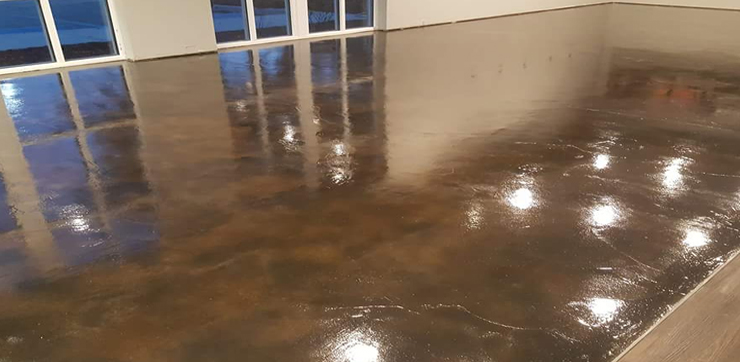
A concrete overlay is a thin layer of new material applied directly over an existing concrete surface. Overlays can address minor surface imperfections, improve texture, add decorative patterns, or completely change the look of the original slab. They are available in various forms, including polymer-modified, cement-based, and microtoppings, which allows flexibility depending on the project’s goals and the condition of the existing surface. Overlays can be customized with color, texture, and pattern options to match personal or commercial design preferences.
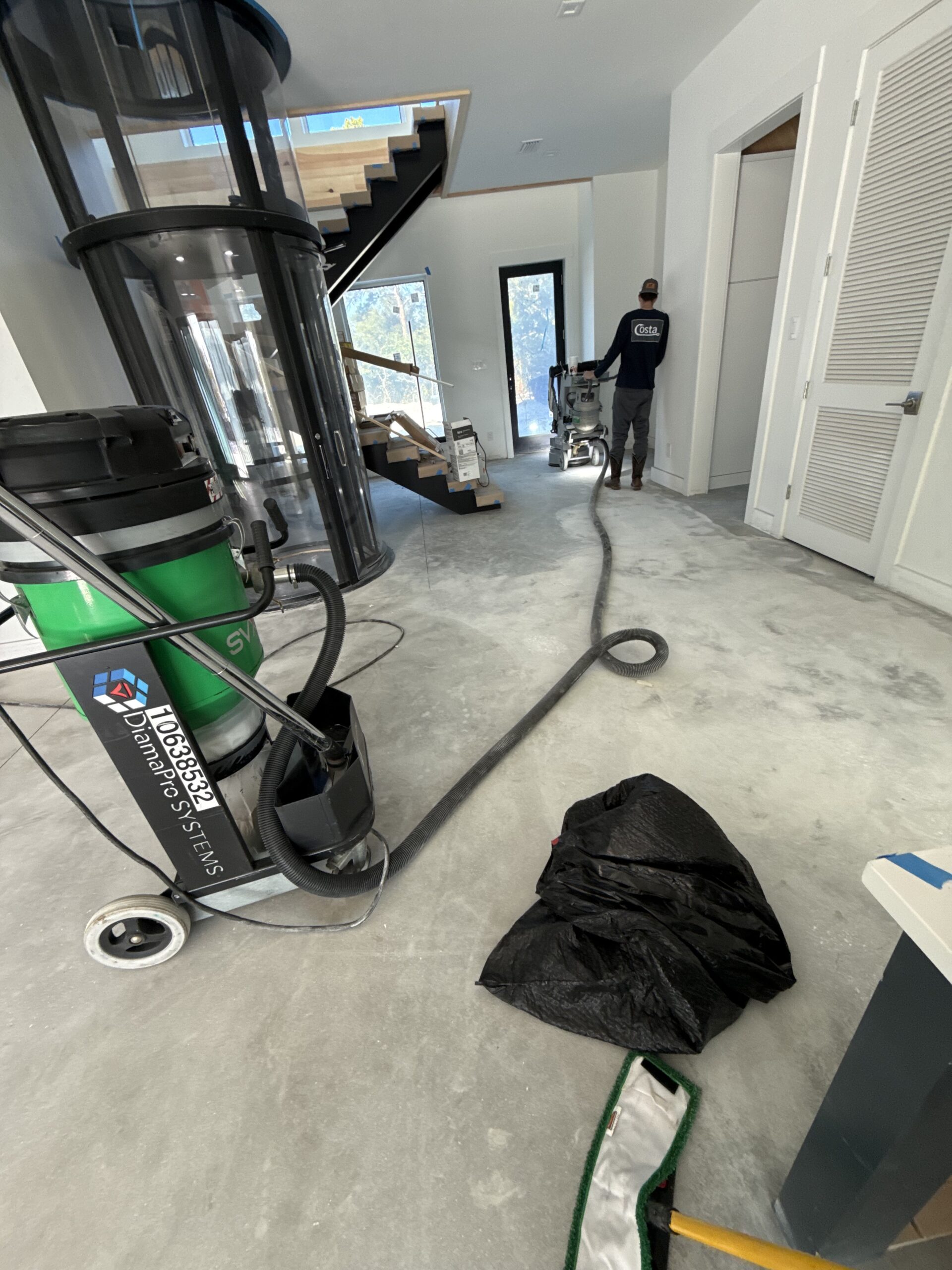
The process begins with a thorough assessment of the existing concrete. Technicians inspect for structural integrity, cracks, and spalling to determine if repairs are needed before applying the overlay. Surface preparation is crucial for ensuring proper adhesion. This often involves cleaning, pressure washing, and sometimes grinding or scarifying the surface to create a texture that will allow the new layer to bond effectively. Once the surface is ready, the overlay is applied using trowels, squeegees, or sprayers, depending on the desired finish and design. Proper application ensures a seamless, long-lasting result that enhances both aesthetics and functionality.
Resurfacing Old Concrete
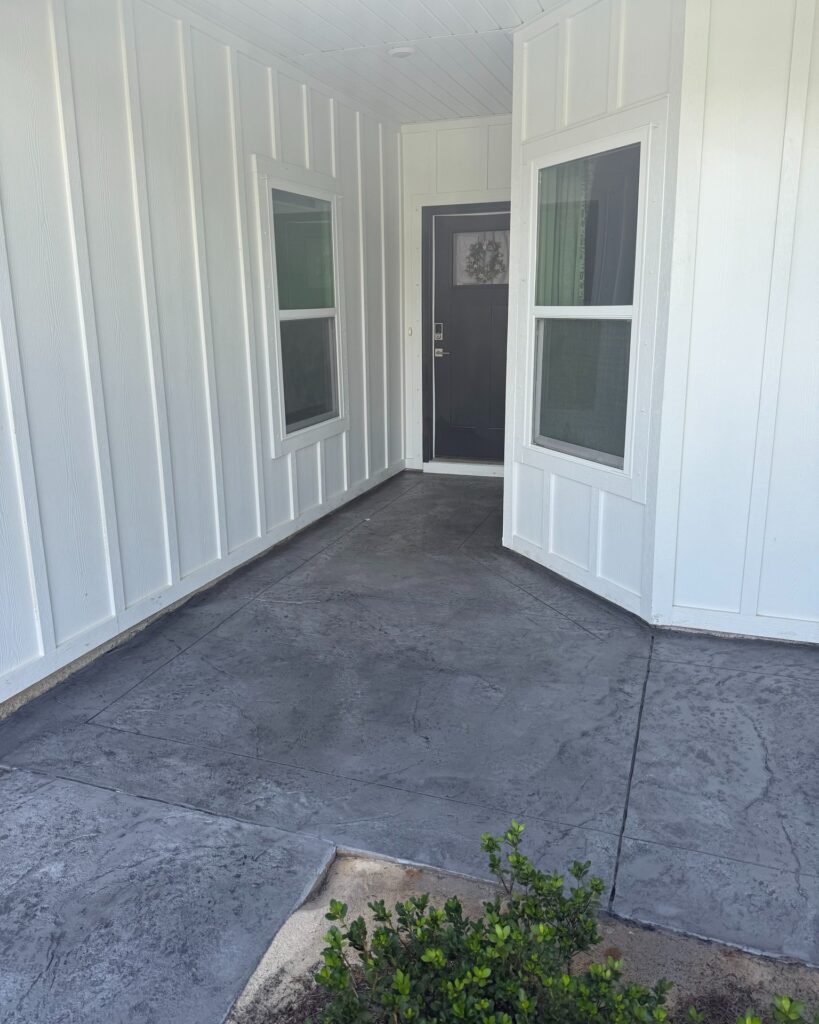
Resurfacing is similar to an overlay but is typically used for larger areas or surfaces with moderate wear. The goal is to restore both appearance and functionality while extending the life of the existing slab. Resurfacing can address small cracks, uneven areas, and discoloration while also providing an opportunity to incorporate decorative elements such as stamping, staining, or coloring. This technique can dramatically improve the look of old driveways, patios, and commercial spaces while preventing further deterioration.
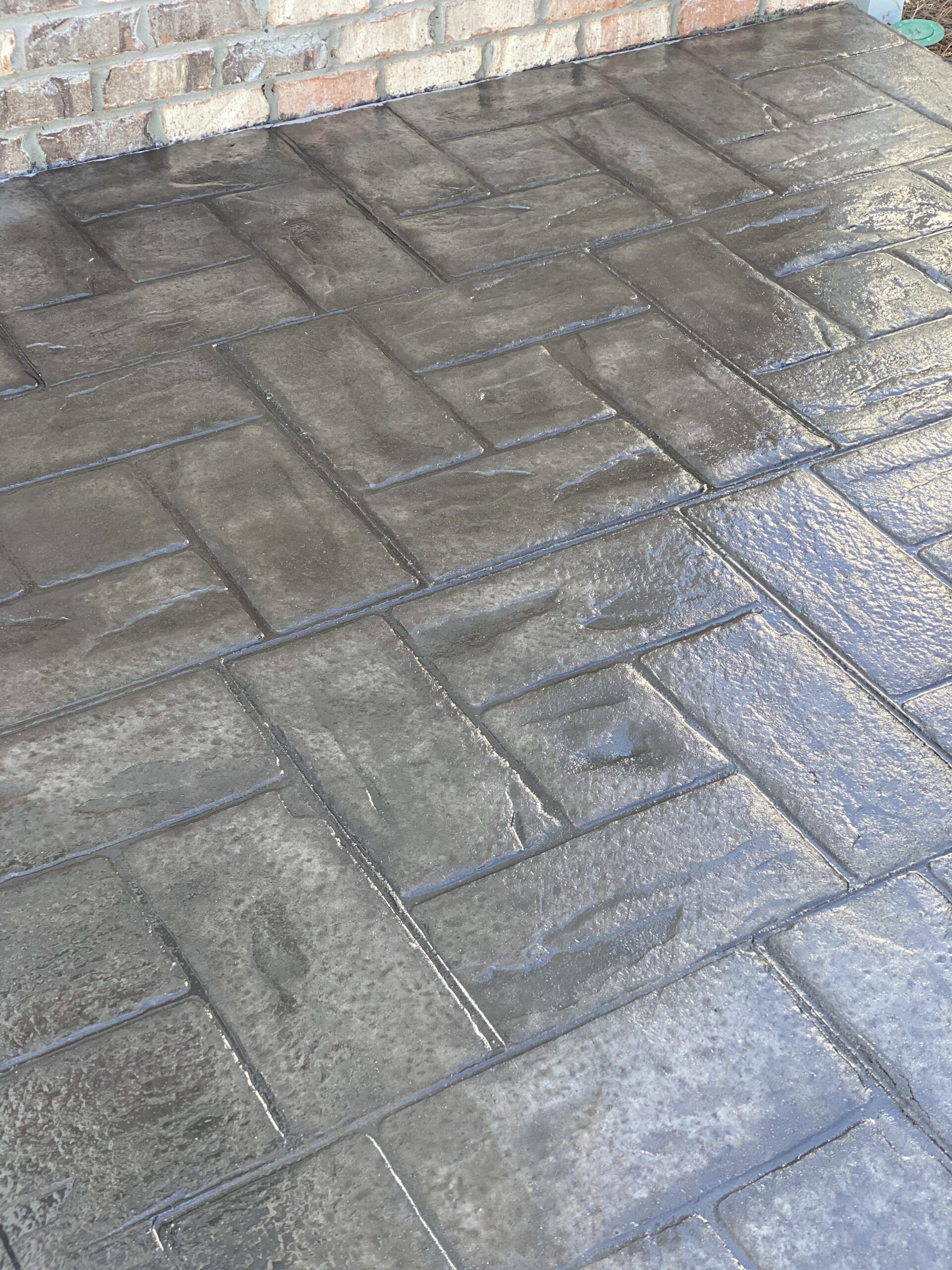
The resurfacing process starts with cleaning and repairing the original concrete to remove dirt, debris, and loose material. Cracks are filled, and uneven areas leveled to create a smooth base for the new surface. A thin layer of resurfacing material is then applied, often in multiple coats, to achieve the desired thickness, texture, and color. Advanced techniques allow for patterns and textures that mimic stone, brick, or tile, providing the aesthetic appeal of high-end materials without the cost and labor of full replacement. This makes resurfacing a practical option for both residential and commercial projects.
Benefits of Overlay and Resurfacing
One of the primary advantages of concrete overlay and resurfacing is cost savings. Replacing an entire concrete slab involves demolition, disposal, and installation costs, which can be significantly higher than applying a new surface over an existing one. Overlays and resurfacing also reduce project time and disruption, making them ideal for residential driveways, patios, and commercial properties where minimizing downtime is essential. Property owners can achieve a completely refreshed look without the need for heavy machinery, debris removal, or extensive construction.
In addition to saving money and time, overlays and resurfacing enhance durability. High-quality materials are designed to resist cracking, staining, and wear, providing a long-lasting surface that can handle foot traffic, vehicles, and environmental exposure. These techniques also offer a renewed aesthetic appeal, allowing homeowners and business owners to modernize or refresh their spaces without extensive construction. An updated surface can increase property value while improving safety and usability, especially in areas prone to slipping or water accumulation.
Another key benefit is design versatility. Concrete overlays can be customized with a wide range of colors, textures, and patterns. Stamped overlays can replicate natural stone, brick, or wood textures, while colored or stained overlays can complement architectural styles and landscape designs. Property owners can create visually stunning surfaces that reflect personal style or brand identity. For businesses, this provides an opportunity to maintain a professional appearance while upgrading aging concrete without extensive renovation.
Environmental Advantages
Overlay and resurfacing are environmentally friendly alternatives to full concrete replacement. By reusing the existing slab, less waste is generated, and fewer materials are required, reducing the overall environmental footprint of the project. Property owners and contractors can take advantage of this sustainable approach without compromising quality or aesthetics. This environmentally responsible method also minimizes the use of heavy machinery and fuel, reducing emissions and further contributing to sustainability goals.
Ideal Applications
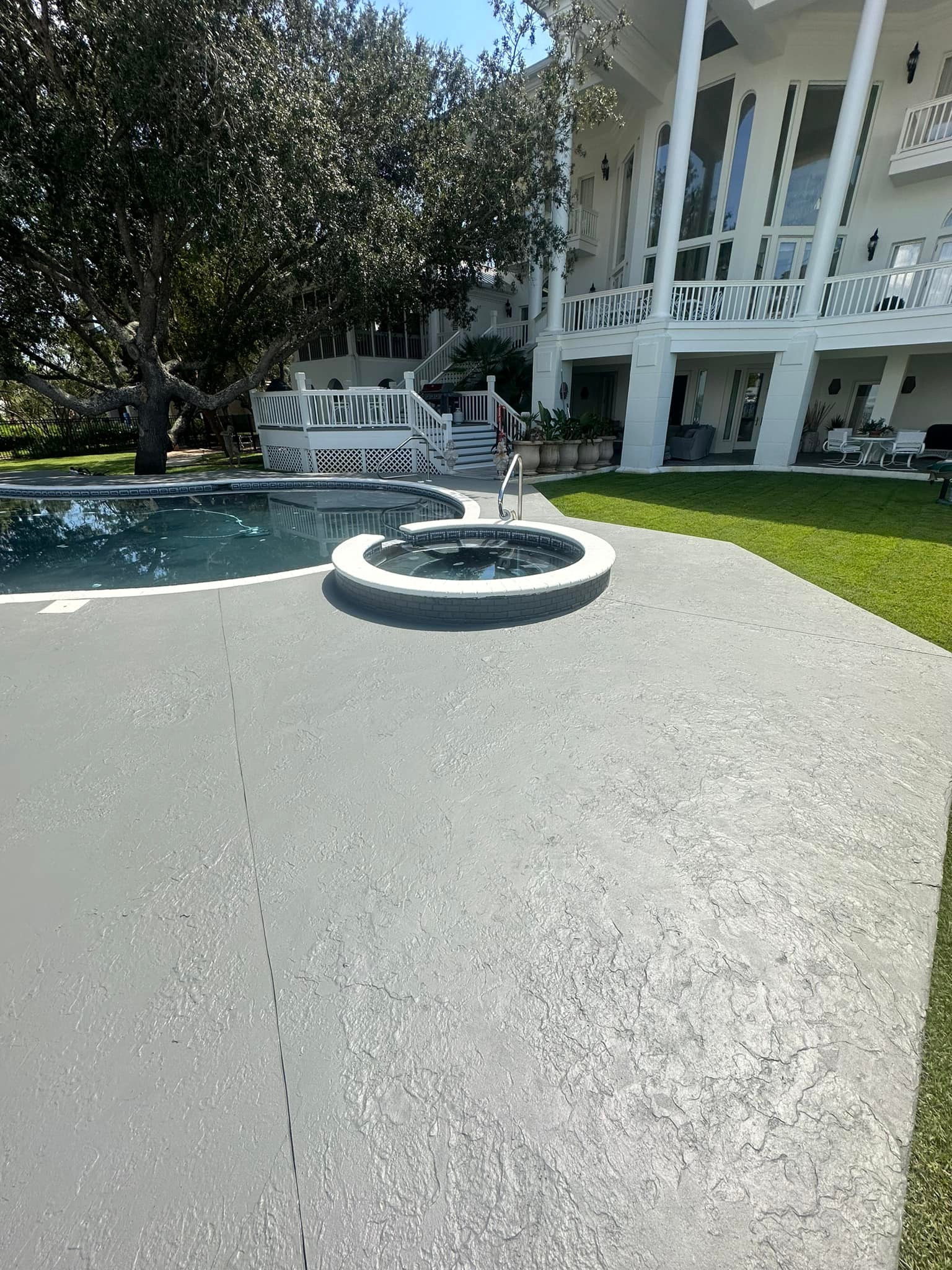
Concrete overlay and resurfacing can be applied in a wide variety of settings. Residential driveways, patios, and pool decks benefit from enhanced durability, improved appearance, and extended lifespan. Sidewalks, entryways, and public spaces can be updated without major construction, creating safer and more visually appealing pathways. In commercial settings, retail stores, restaurants, office complexes, and warehouses can revitalize worn floors, enhancing customer experience and property value. These techniques are suitable for both new and existing structures, making them a versatile option for property owners across multiple sectors.
Specialized techniques also allow for decorative or functional overlays in unique applications. Textured or non-slip finishes can improve safety on outdoor surfaces or commercial floors. Patterned or colored overlays can be used for branding or aesthetic purposes, giving businesses an opportunity to make a strong visual impact without the expense of new concrete installation. Overlays and resurfacing can also be combined with protective sealants or coatings to enhance resistance to weather, chemicals, or heavy traffic, extending the life of the surface and reducing maintenance requirements.
Choosing the Right Contractor
Successful overlay and resurfacing projects rely on proper materials, techniques, and expertise. Choosing a professional contractor with experience in decorative and functional concrete surfaces ensures that the work is completed efficiently, adheres to quality standards, and meets the client’s design vision. Skilled technicians understand the nuances of surface preparation, material selection, application methods, and finishing techniques. Their expertise ensures the final surface is durable, visually appealing, and long-lasting. Contractors can also advise on maintenance strategies, sealants, and design options to help property owners get the most value from their investment.
Maintenance and Longevity
Once a concrete overlay or resurfacing project is complete, maintenance is relatively simple compared to a full replacement. Regular cleaning, occasional sealing, and prompt repair of minor surface damage can help the overlay maintain its appearance and performance over time. High-quality overlays are designed to withstand environmental stress, UV exposure, and heavy traffic, ensuring years of reliable use and minimal upkeep. Properly maintained surfaces continue to provide aesthetic appeal and functional performance, making them a smart investment for long-term property improvement.
Transforming Surfaces Without Replacement
Concrete overlay and resurfacing offer property owners the opportunity to transform their spaces efficiently and affordably. Old, worn, or damaged concrete surfaces can be refreshed, enhanced, and personalized without the cost, labor, and environmental impact of full replacement. From residential patios to commercial floors, these techniques provide durable, attractive, and versatile solutions that meet the needs of modern property owners. Property owners can achieve a new look and extended lifespan for their concrete surfaces while avoiding major construction disruptions.
Conclusion
For homeowners, business owners, and property managers looking to revitalize existing concrete surfaces, overlay and resurfacing provide practical and visually appealing solutions. By addressing imperfections, enhancing durability, and offering a wide range of design possibilities, these techniques extend the life of concrete while improving its appearance and functionality. With the right materials, proper preparation, and skilled application, concrete overlay and resurfacing allow property owners to achieve the look and performance of new concrete without the need for full replacement. Investing in these methods is a smart choice for anyone seeking long-term value, efficiency, and aesthetic appeal in their concrete surfaces. Concrete overlay and resurfacing are not just a quick fix—they are a strategic solution for maintaining and enhancing the beauty and functionality of any property.