If you’re thinking about upgrading your outdoor space, you’ve likely come across two popular surface options: stamped concrete and pavers. Both can be used to create beautiful patios, pool decks, walkways, and driveways. And while they may appear similar in some ways, each has unique features, installation processes, and maintenance requirements that make them better suited for different types of projects.
At ProCon, we specialize in stamped and decorative concrete, so we’re often asked how stamped concrete compares to pavers and what factors homeowners should consider before choosing one over the other. The good news is, there’s no one-size-fits-all answer—it really depends on your needs, preferences, and goals for the space. But understanding the key differences between these two materials can help you make the best decision for your home.
Let’s take a closer look at what separates stamped concrete from pavers, and how each one performs when it comes to design, cost, durability, maintenance, and overall look.
What Is Stamped Concrete?
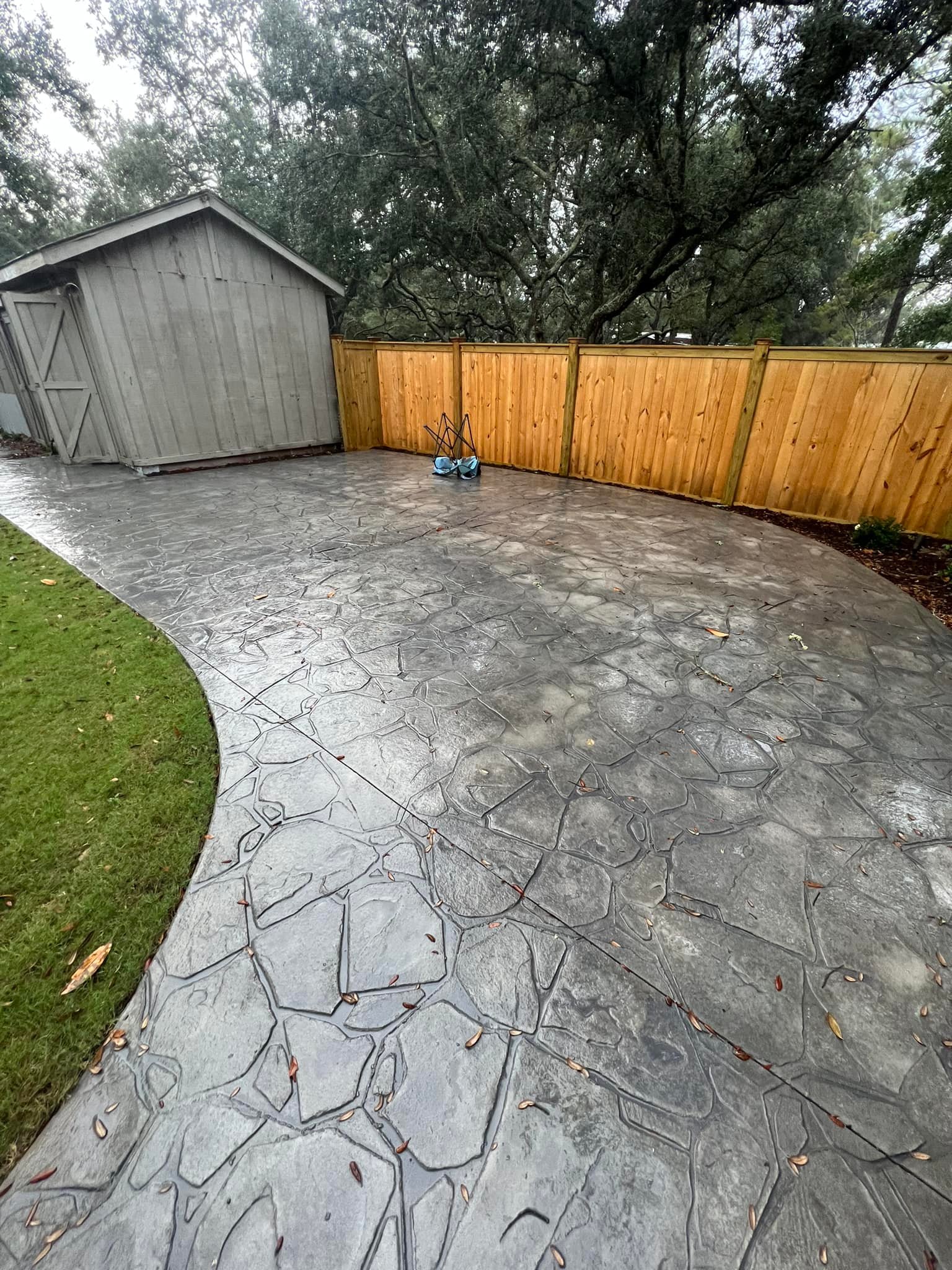
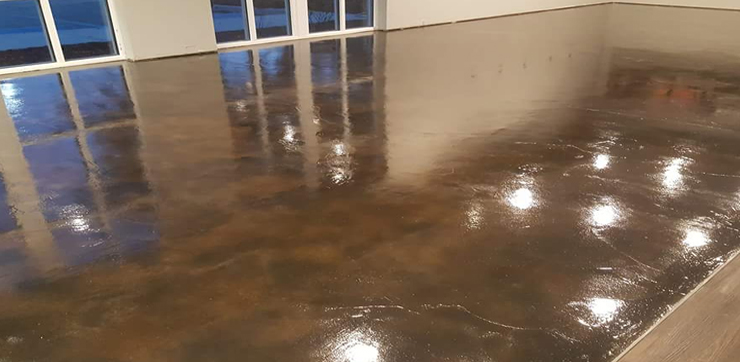
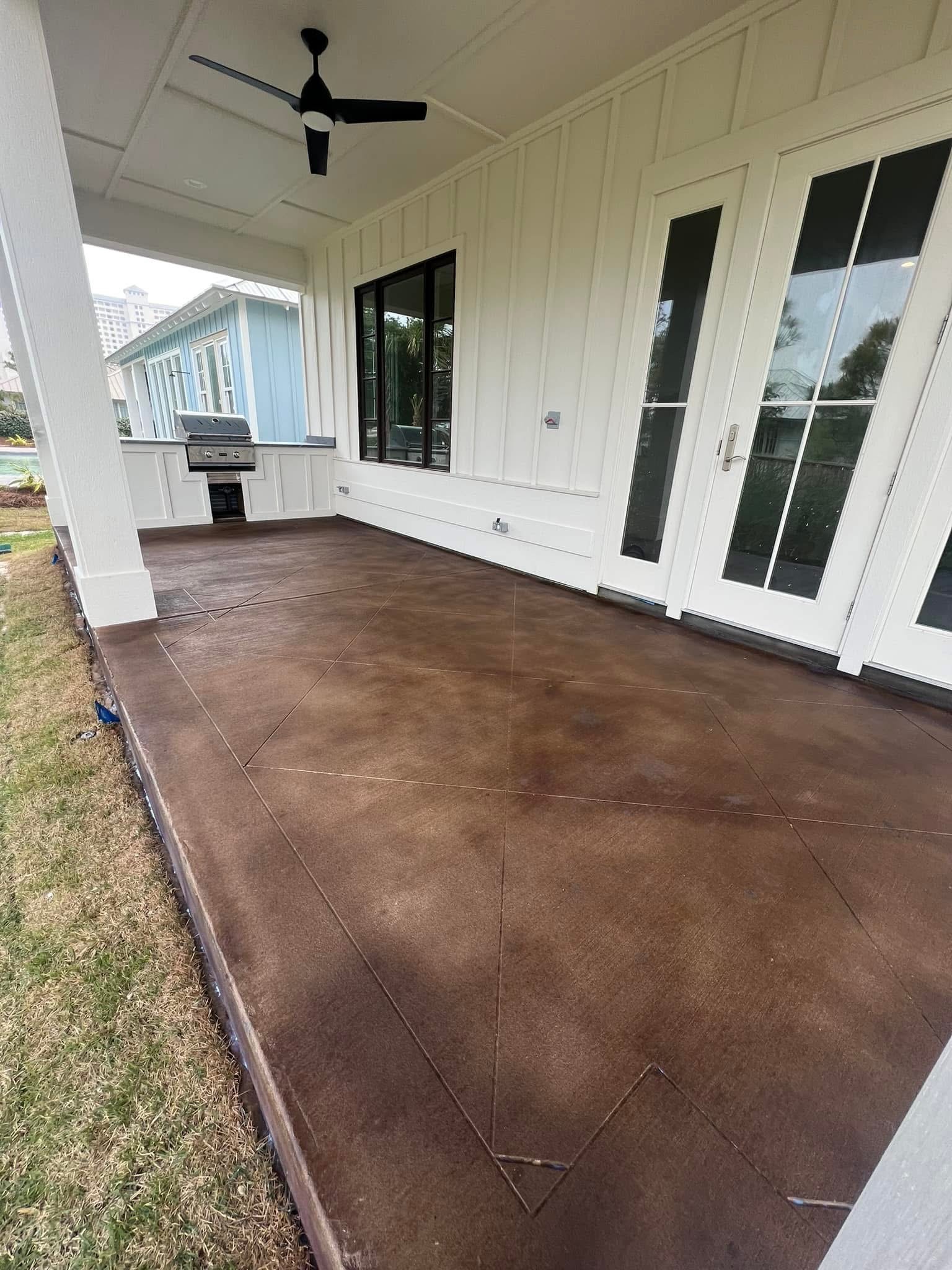
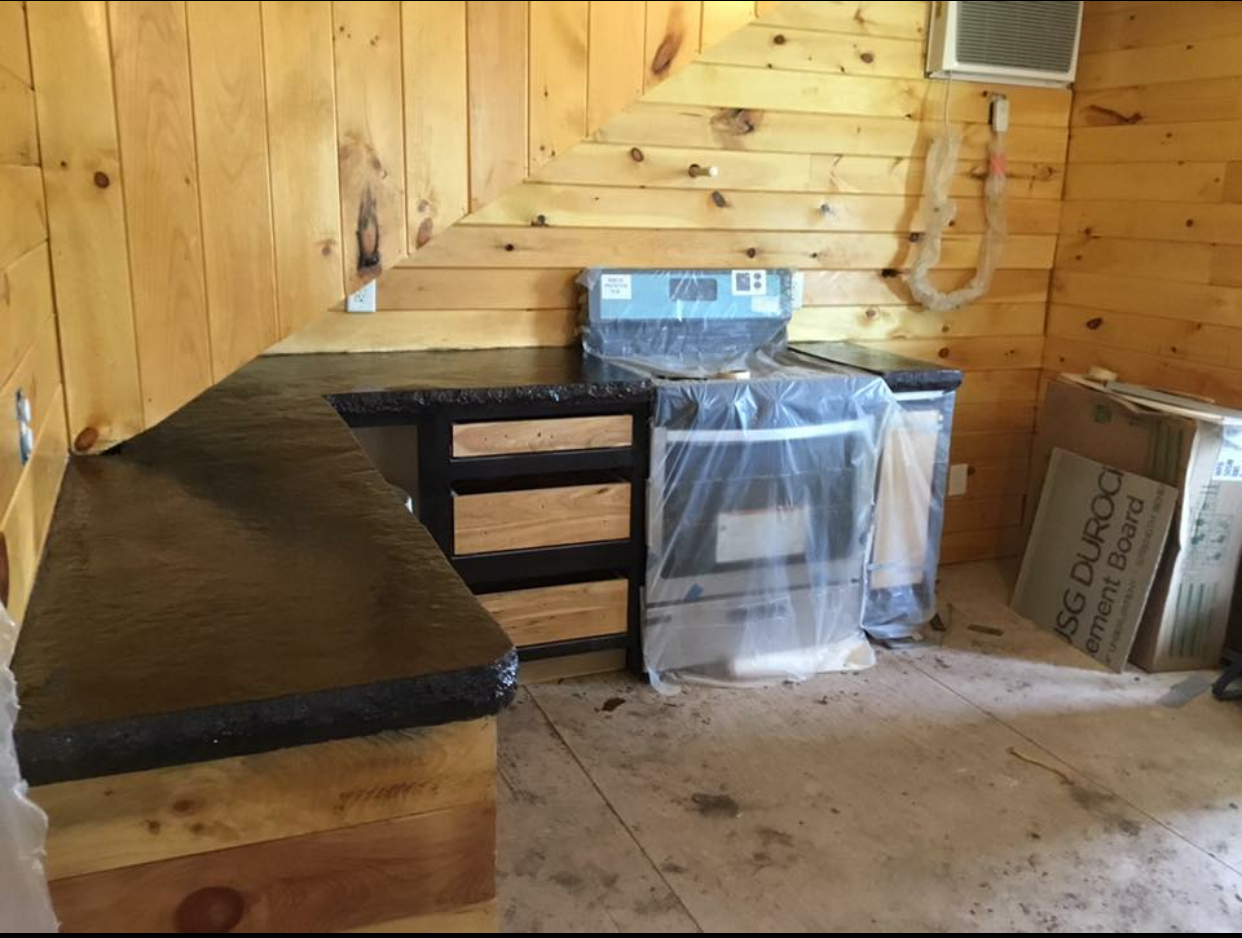
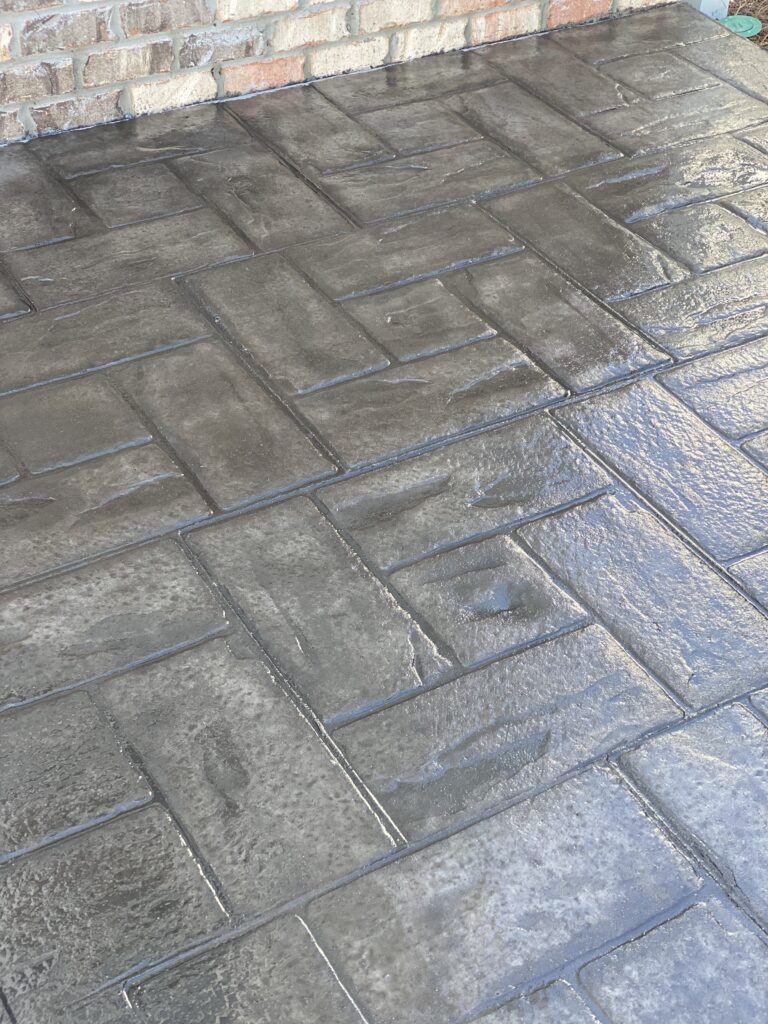
Stamped concrete is a type of decorative concrete that is poured just like traditional concrete but then patterned and textured before it sets. Special stamping mats are used to press textures into the surface, creating the appearance of natural materials such as stone, brick, slate, tile, or even wood. Color can be added in multiple ways—through integral coloring mixed into the concrete, as well as surface-applied stains or color releases that give the pattern more depth and realism.
The end result is a seamless, decorative surface that captures the look of more expensive materials without needing to individually install them piece by piece. Stamped concrete can be used for a wide range of applications, from walkways and patios to driveways and outdoor living areas.
What Are Pavers?
Pavers are precast concrete, brick, or natural stone blocks that are individually set into a base of compacted gravel and sand. They come in a variety of shapes, sizes, colors, and textures, and are arranged in patterns to form a finished surface. Interlocking concrete pavers are especially popular for residential and commercial projects because they are durable, relatively easy to replace, and come in a wide selection of styles.
The installation process for pavers typically involves preparing the base, laying each paver by hand, leveling them, and filling the joints with sand or polymeric materials to lock them in place. Pavers have long been used for walkways, patios, driveways, and pool decks, and are often chosen for their versatility and traditional aesthetic.
Design Possibilities and Customization
Both stamped concrete and pavers offer excellent opportunities for creating visually stunning outdoor spaces. The main difference lies in how those designs are achieved.
Stamped concrete is known for its ability to mimic the appearance of natural materials in a way that feels smooth, cohesive, and artistic. Because it’s poured as a single slab and then stamped, it creates a unified surface with no visible joints or separations. This continuous appearance allows for a more modern or elegant look. Custom color combinations, intricate patterns, and subtle shading can be added to give it a unique, high-end finish that blends beautifully with the surrounding landscape and architecture.
Pavers, on the other hand, are more modular in nature. The design is created through the layout of individual blocks in repeating or custom patterns. While there is a wide range of color and shape options available, they’re limited to what manufacturers produce. That said, the ability to mix different paver styles or colors can be appealing to homeowners looking for a classic or geometric layout. The texture of natural stone or concrete pavers can also provide a distinct tactile feel underfoot.
Installation Process and Timeline
Installation is another area where stamped concrete and pavers differ significantly.
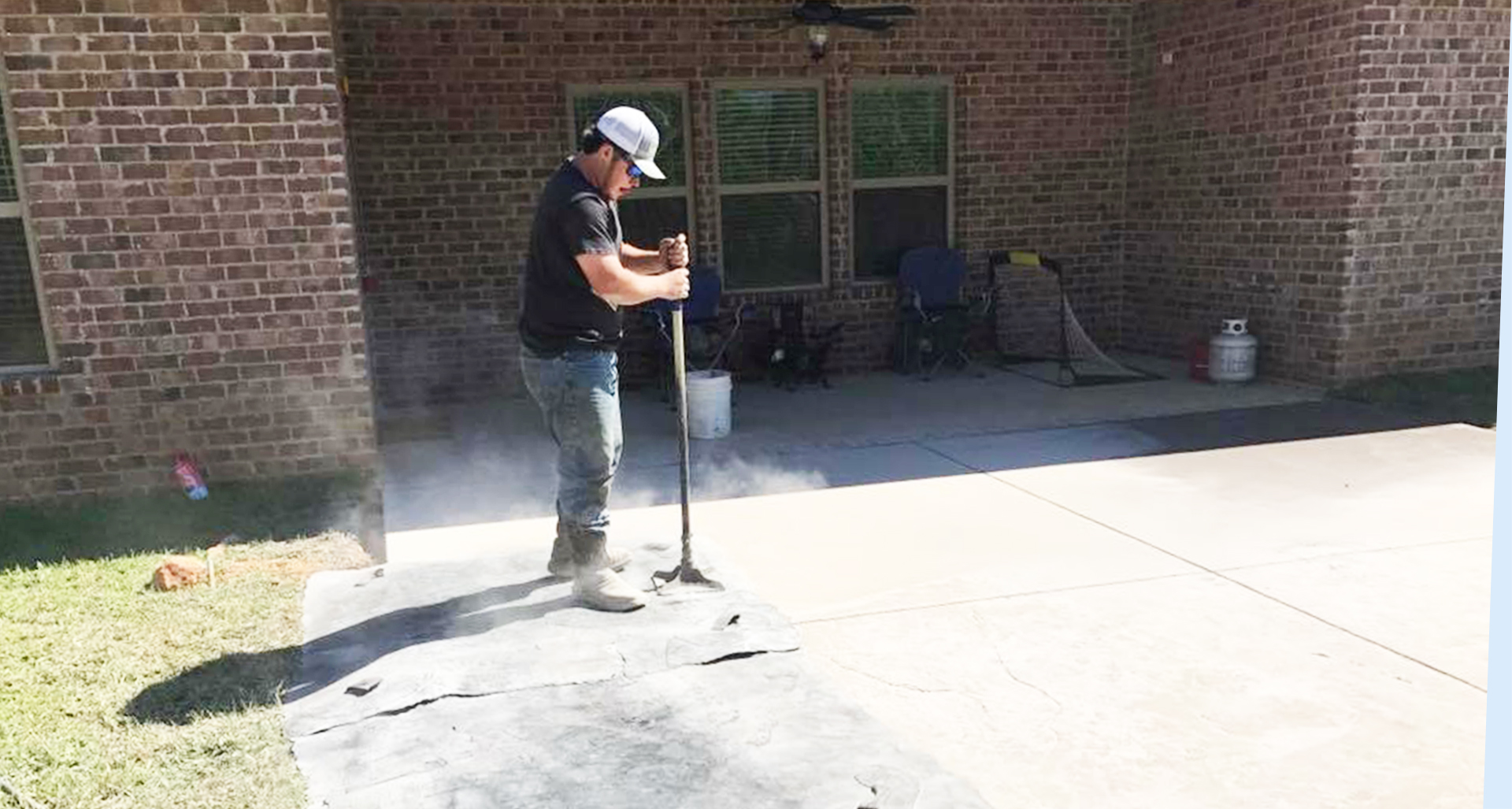
Stamped concrete is poured on-site, which allows for a faster and more efficient installation process. Once the forms are set and the concrete is poured, the stamping, coloring, and finishing are completed in a single process before the surface cures. Depending on the size of the project, it can often be completed in a matter of days, not weeks. After curing and sealing, the surface is ready for use.
Pavers take a bit more time to install due to the individual placement of each block. Preparing the base, leveling the pavers, ensuring proper spacing, and securing the joints all require attention to detail and skilled labor. Larger projects may require several days or even weeks to complete, depending on the complexity of the design.
Both installation methods require professional expertise, but stamped concrete typically offers a more streamlined and time-efficient option from start to finish.
Maintenance and Longevity
Stamped concrete and pavers both offer long-lasting durability, but they require different types of maintenance over time.
Stamped concrete, when sealed properly, resists moisture, staining, and surface wear. The sealant also enhances the color and helps protect the surface from fading or cracking. Regular resealing every few years keeps it looking vibrant and maintains its resistance to weathering. Cleaning is simple—usually just a rinse with water or an occasional light pressure wash.
Over time, concrete can develop small cracks due to settling or extreme temperature changes, but with proper base preparation, joint placement, and sealing, these issues are minimized. At ProCon, we take steps to reduce cracking and ensure the longevity of every stamped concrete project we complete.
Pavers do not crack in the same way concrete might, because they are individual units. If one paver becomes damaged or stained, it can often be replaced without disturbing the rest of the surface. However, because they are set in sand or gravel, pavers are more susceptible to movement, weed growth between joints, and settling over time. Joints may need to be re-sanded periodically to keep them stable and prevent shifting.
So while pavers might offer easy spot-replacement, they typically require more frequent maintenance to keep the surface clean, level, and weed-free.
Traction and Safety
Both surfaces can offer safe and slip-resistant finishes, but it often depends on the texture and sealant used.
Stamped concrete can be made slip-resistant by using textured stamp patterns and non-slip additives in the sealant. This is especially important around pools or areas that are frequently wet. At ProCon, we always discuss intended use and traffic patterns with our clients to recommend the best finishes and sealants for their safety and comfort.
Pavers generally provide natural traction due to their texture and joints, which can be beneficial in wet conditions. However, they can also become uneven over time if not properly maintained, which may lead to trip hazards.
When installed correctly and maintained well, both stamped concrete and pavers can offer safe walking surfaces for outdoor living areas.
Cost Considerations
Cost is often a deciding factor in any home improvement project, and stamped concrete and pavers fall into different price categories based on the materials and labor involved.
Stamped concrete tends to be more cost-effective than pavers, especially for larger spaces. Because the process is streamlined and poured as one surface, labor costs are typically lower than those associated with placing each paver individually. The materials involved in stamped concrete—concrete mix, color hardeners, stamps, and sealers—are less expensive than purchasing individual pavers and specialty fillers.
Pavers may come with a higher initial cost due to the materials and the time it takes to install them. However, some homeowners are drawn to the idea of being able to replace individual pavers instead of resurfacing an entire slab in the event of damage.
Ultimately, stamped concrete offers a beautiful, customized finish that fits a variety of budgets, especially when you work with experienced professionals like the team at ProCon.
Which Option Is Right for You?
There’s no universal answer to the stamped concrete vs. pavers debate—it all comes down to your project goals, preferences, and the look you want to achieve. If you’re after a seamless, artistic finish with the appearance of stone, brick, or wood at a more accessible price point, stamped concrete is an excellent choice. It’s also ideal for homeowners who want to avoid constant joint maintenance and enjoy a longer-lasting surface with minimal upkeep.
Pavers might be the better fit if you’re looking for a more traditional or modular layout, prefer the option to replace individual pieces over time, or are installing a smaller space with less exposure to elements.
At ProCon, we’re passionate about helping homeowners bring their outdoor visions to life using stamped and decorative concrete. We believe in the value of great design, strong craftsmanship, and lasting beauty. From color consultations to detailed pattern selection and flawless finishing, we take pride in every step of the process.
Let’s Bring Your Vision to Life
Whether you’re dreaming of a slate-look patio, a wood-textured walkway, or a cobblestone-inspired driveway, stamped concrete can achieve the look and feel you love without the high cost or upkeep of natural materials. With years of experience, ProCon delivers custom concrete solutions that combine durability, style, and value.
If you’re exploring your options for outdoor surfaces and want to learn more about what stamped concrete can do for your space, we’re here to help. Our team is happy to walk you through the process, show you samples, and create a design that fits your style, your space, and your budget.
Ready to get started on your next project? Reach out to ProCon today—we can’t wait to help you transform your space with the art of decorative concrete.