Concrete is one of the most durable and versatile building materials, but even the strongest concrete can show signs of wear over time. Cracks, discoloration, and surface damage are common issues that can make even the most functional surfaces look worn and aged. Fortunately, full replacement isn’t always necessary. Concrete resurfacing offers a cost-effective, efficient way to restore the beauty and functionality of old concrete, giving it a fresh, long-lasting finish without the expense and disruption of a complete replacement.
What Is Concrete Resurfacing?
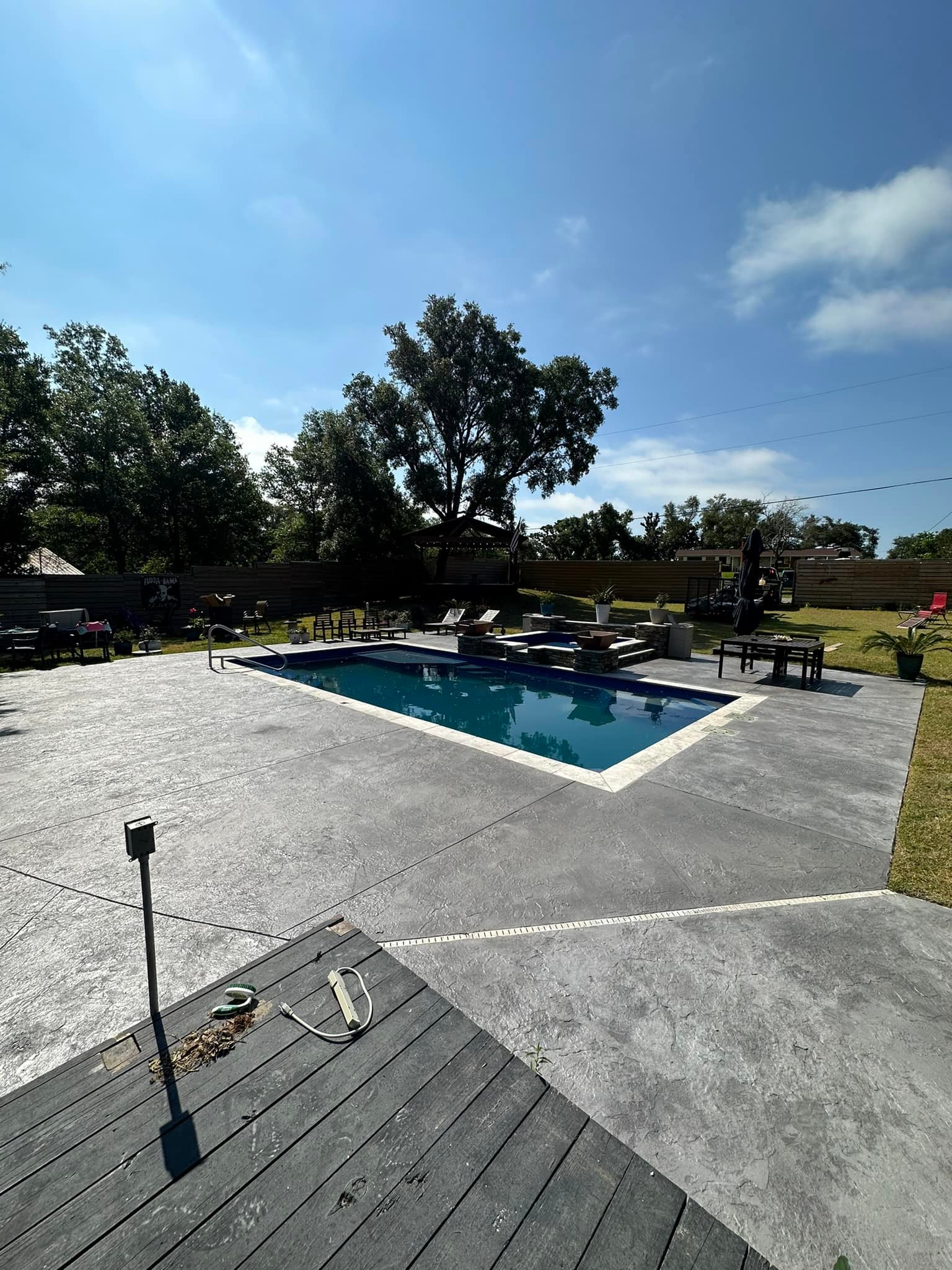
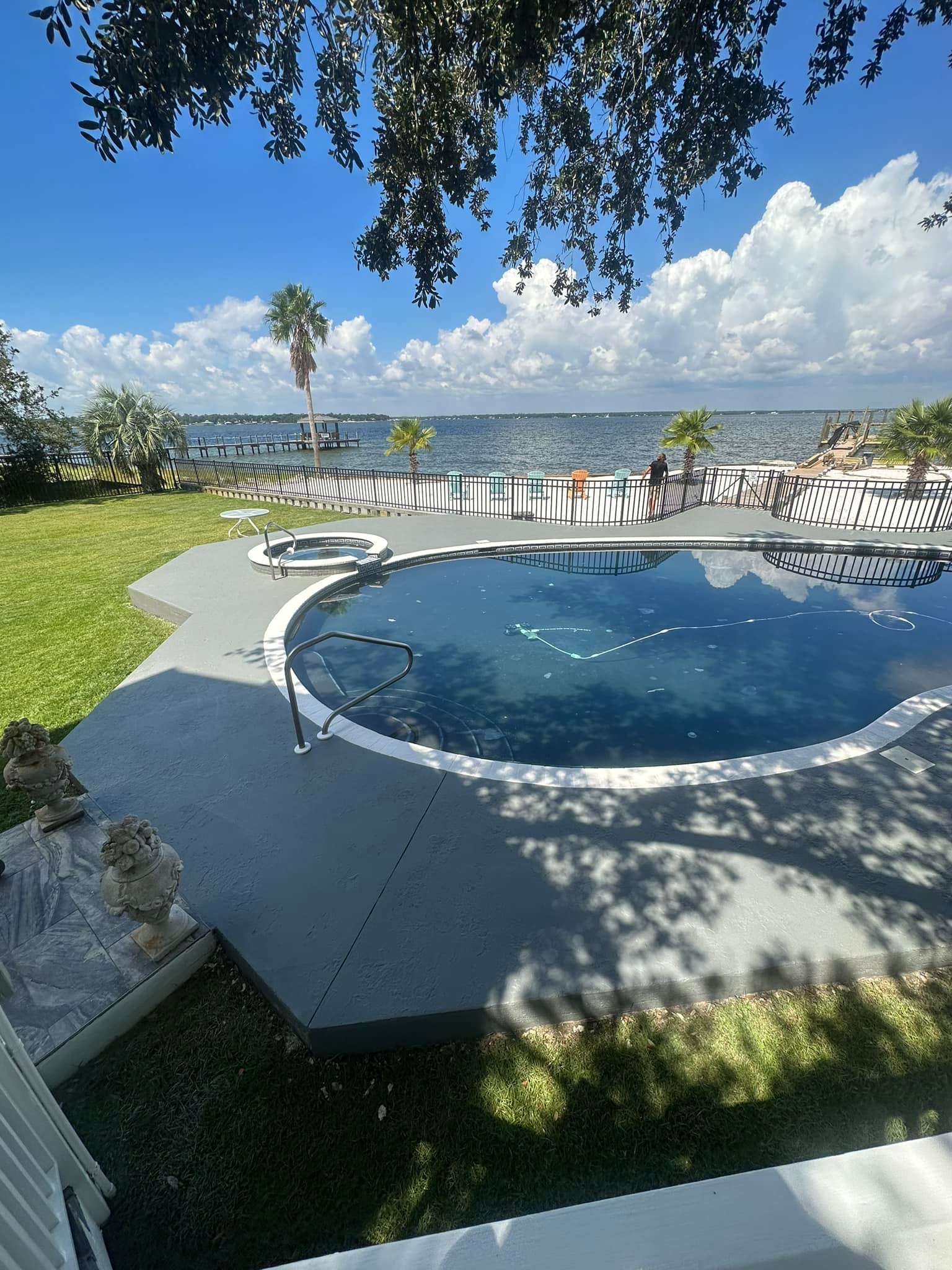
Concrete resurfacing involves applying a thin layer of specially formulated material over an existing concrete surface to repair damage, restore appearance, and extend its life. Unlike complete replacement, resurfacing is minimally invasive and can often be completed in a fraction of the time. The process is designed to adhere seamlessly to the existing concrete, filling small cracks and smoothing uneven areas, resulting in a surface that looks almost brand-new. Resurfacing can be done on driveways, patios, sidewalks, garage floors, and commercial spaces, making it a versatile solution for both residential and commercial properties.
Benefits of Concrete Resurfacing
Cost-Effective Alternative
One of the biggest advantages of concrete resurfacing is the cost savings. Replacing an entire concrete slab can be expensive, often requiring demolition, removal, and pouring of new concrete. Resurfacing, on the other hand, uses the existing base, which drastically reduces labor and material costs while achieving a like-new finish.
Time-Saving Solution
Full concrete replacement can take days or even weeks, especially for larger projects. Resurfacing is faster, often completed within a day or two, depending on the size of the area. This means less disruption for homeowners or businesses and a quicker return to use.
Enhanced Appearance
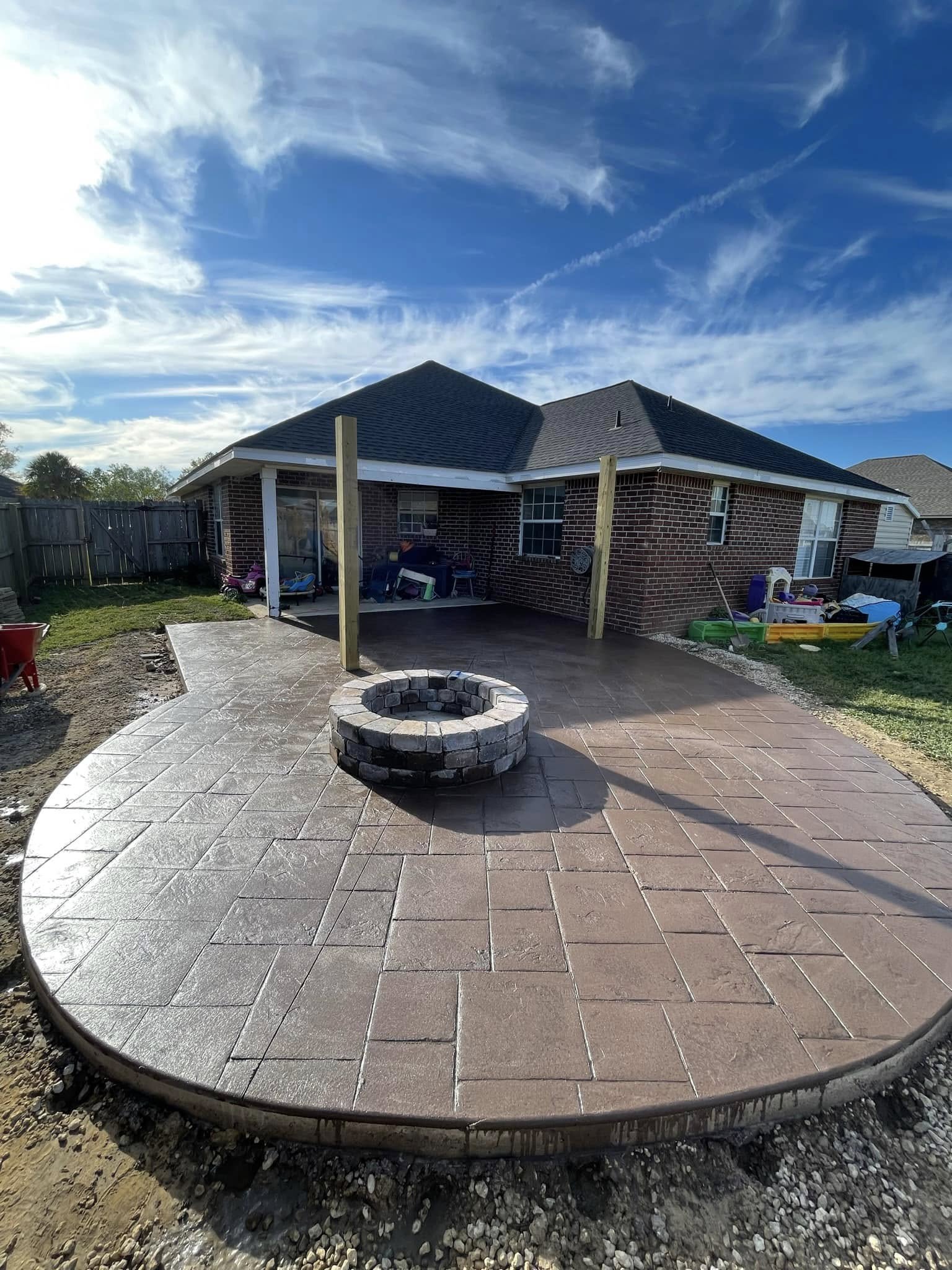
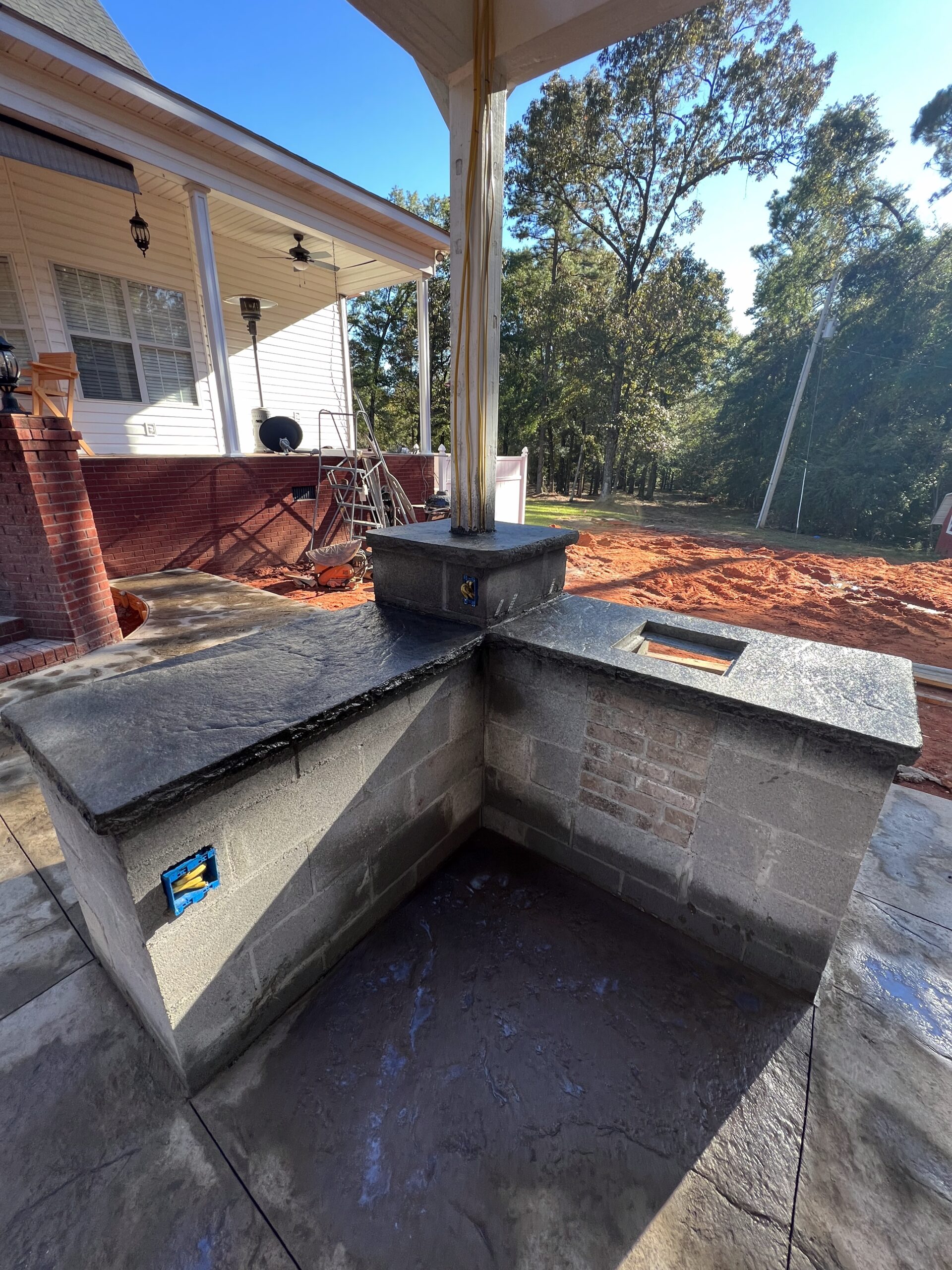
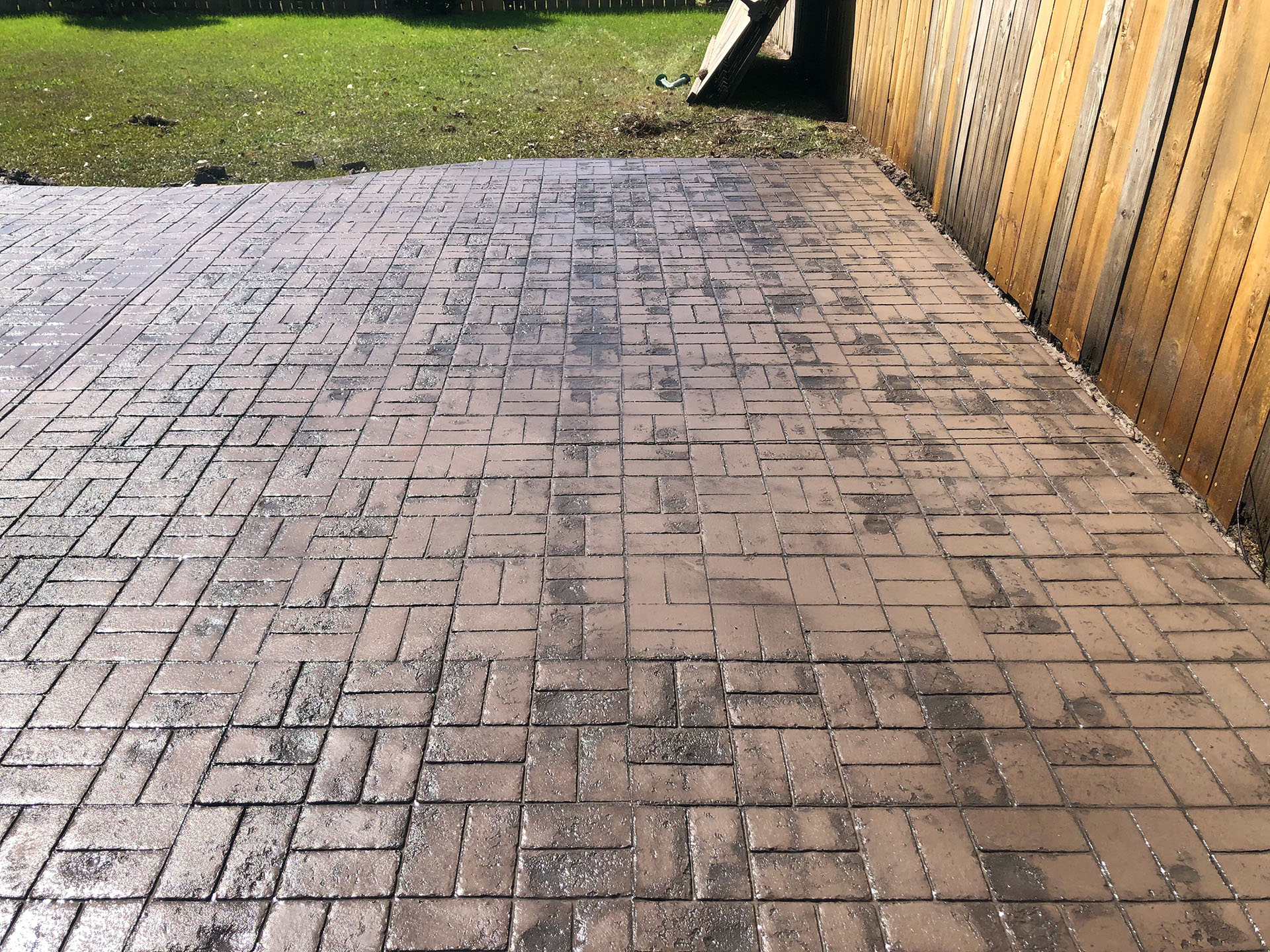
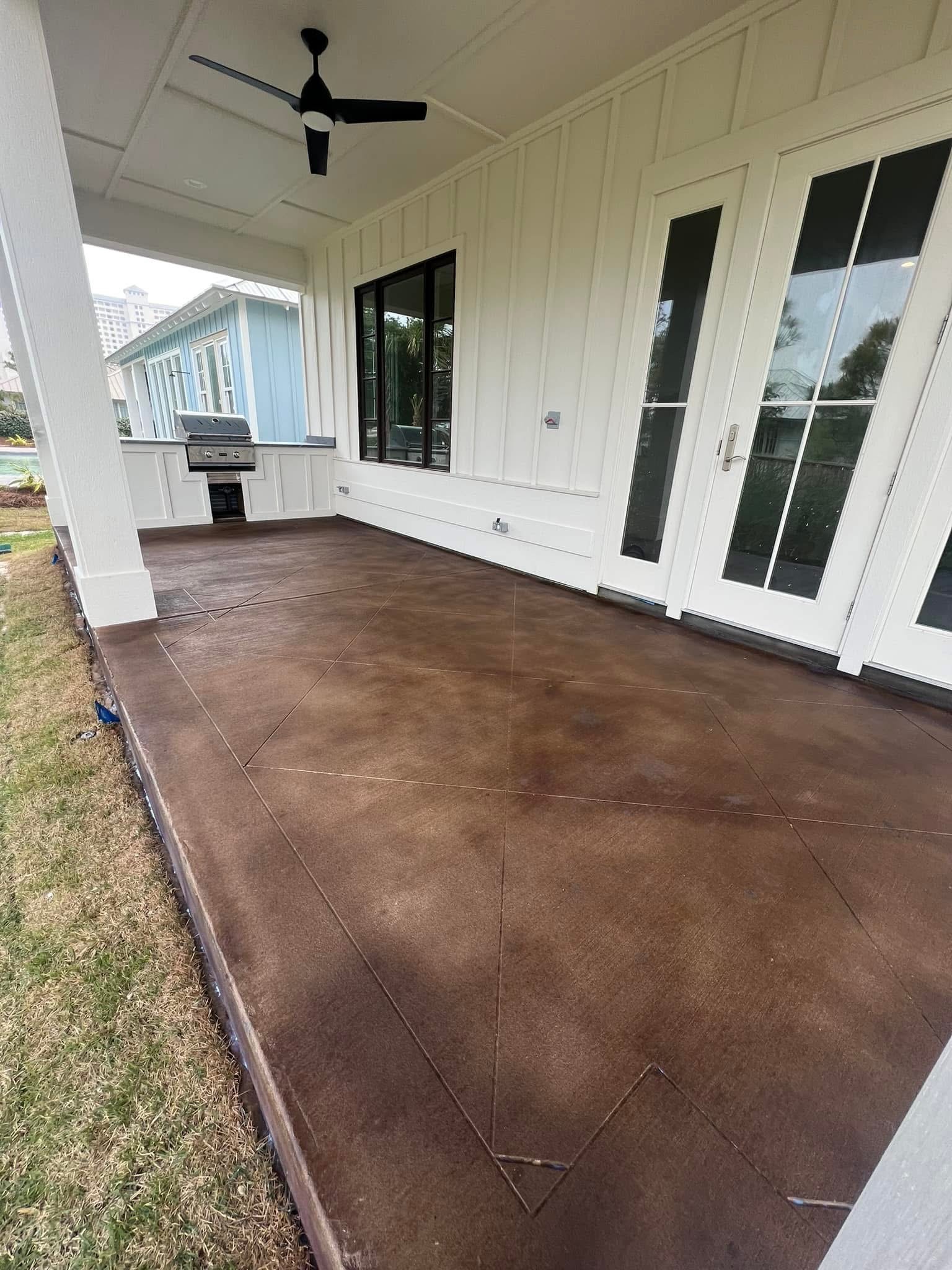
Concrete resurfacing allows for a dramatic improvement in appearance. Beyond simply repairing cracks or wear, resurfacing can include decorative options such as stamping, staining, or coloring. This transforms ordinary concrete into an attractive feature, enhancing the overall aesthetic of your property.
Extended Lifespan
By protecting the underlying concrete and repairing surface damage, resurfacing can significantly extend the life of your existing slabs. This preventative maintenance reduces the likelihood of further deterioration, saving you time and money in the long run.
When to Consider Resurfacing
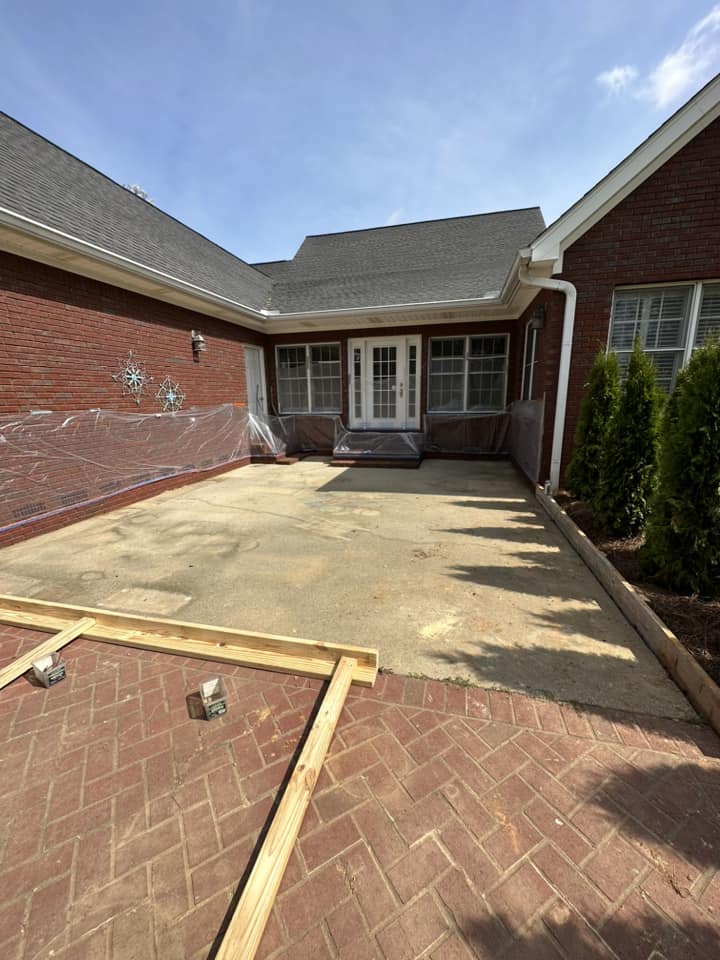
Concrete resurfacing is ideal when your existing surface shows signs of wear but remains structurally sound. Typical scenarios include small to medium cracks that don’t compromise the slab’s integrity, surface discoloration, stains, or fading, minor spalling or chipping, and worn or uneven texture that affects aesthetics. If the concrete is extensively damaged, has deep structural cracks, or suffers from significant settling, resurfacing may not be sufficient, and full replacement could be necessary. Consulting a professional can help determine the best approach for your specific situation.
The Concrete Resurfacing Process
The process of resurfacing concrete involves several key steps to ensure durability and a smooth, long-lasting finish: surface preparation to remove dirt, grease, and debris and fill major cracks, mixing the resurfacing material to bond to the existing concrete and provide flexibility, applying the material evenly with trowels or squeegees, proper curing to ensure strength and durability, and finishing touches such as decorative stamping, staining, or sealing to achieve the final polished look.
Decorative Options for Resurfaced Concrete
One of the most exciting aspects of concrete resurfacing is the ability to enhance the surface with decorative features. Options include stamped concrete to mimic stone, brick, or tile, colored concrete for unique tones that complement architecture, and overlay finishes that add texture or a polished look. These options allow homeowners and business owners to combine function and style, creating surfaces that are both durable and visually appealing.
Maintenance Tips for Resurfaced Concrete
Resurfaced concrete is durable, but proper maintenance ensures it lasts as long as possible. Regular cleaning by sweeping and washing prevents dirt buildup and staining. Applying a concrete sealer every few years protects against moisture and wear. Promptly repairing any new cracks or chips prevents minor issues from becoming major problems. Following these simple maintenance practices helps your resurfaced concrete maintain its appearance and performance for many years.
Conclusion
Concrete resurfacing is an effective and affordable solution for revitalizing worn or damaged surfaces. It provides a cost-effective alternative to full replacement, restores both functionality and aesthetic appeal, and extends the life of your concrete. Whether it’s a driveway, patio, garage, or commercial space, resurfacing allows you to achieve a fresh, attractive surface with minimal disruption. If your concrete shows signs of wear but remains structurally sound, resurfacing may be the perfect way to breathe new life into your property. With professional guidance, the right materials, and proper maintenance, resurfaced concrete can deliver lasting results and transform your spaces for years to come.