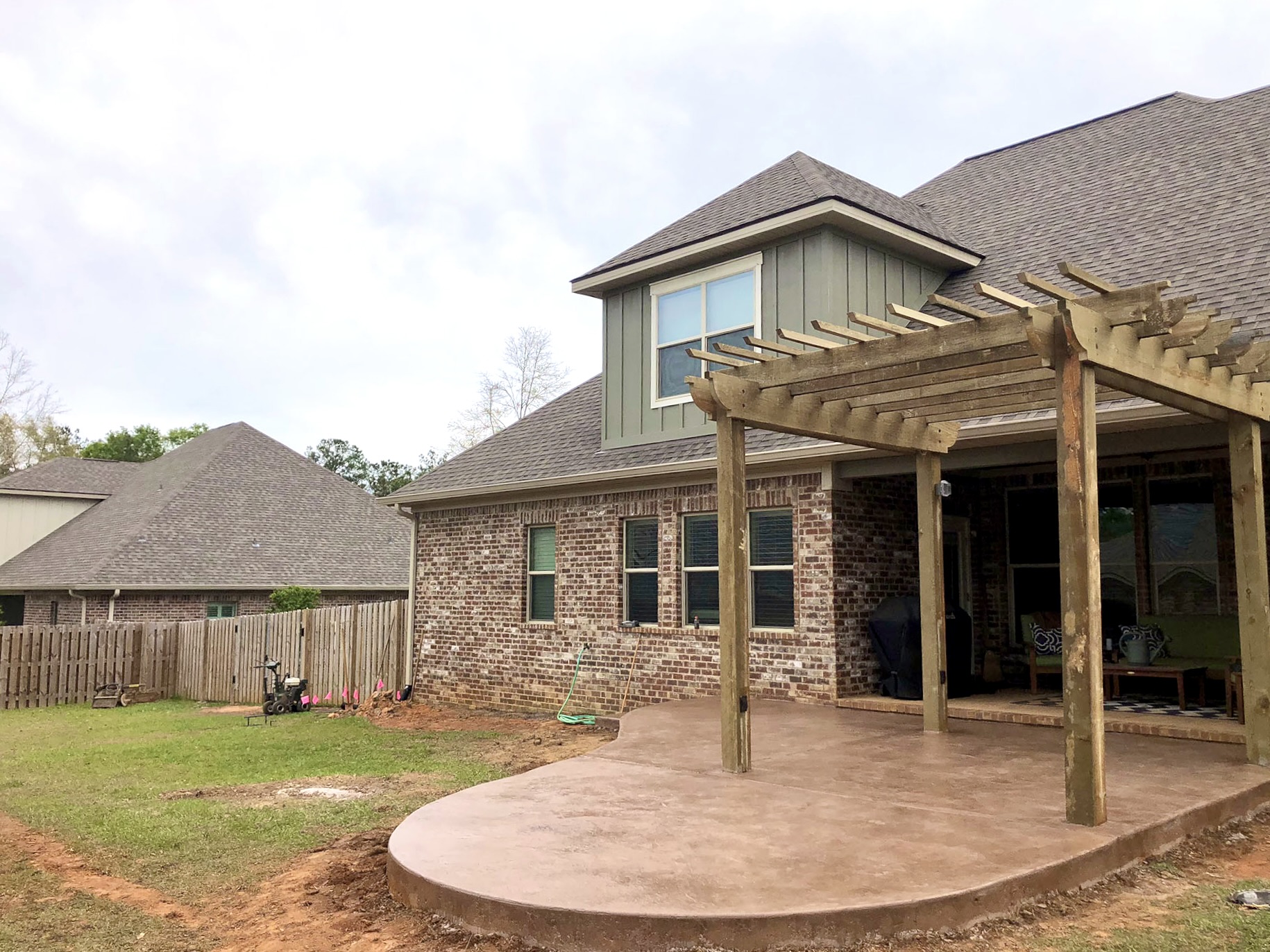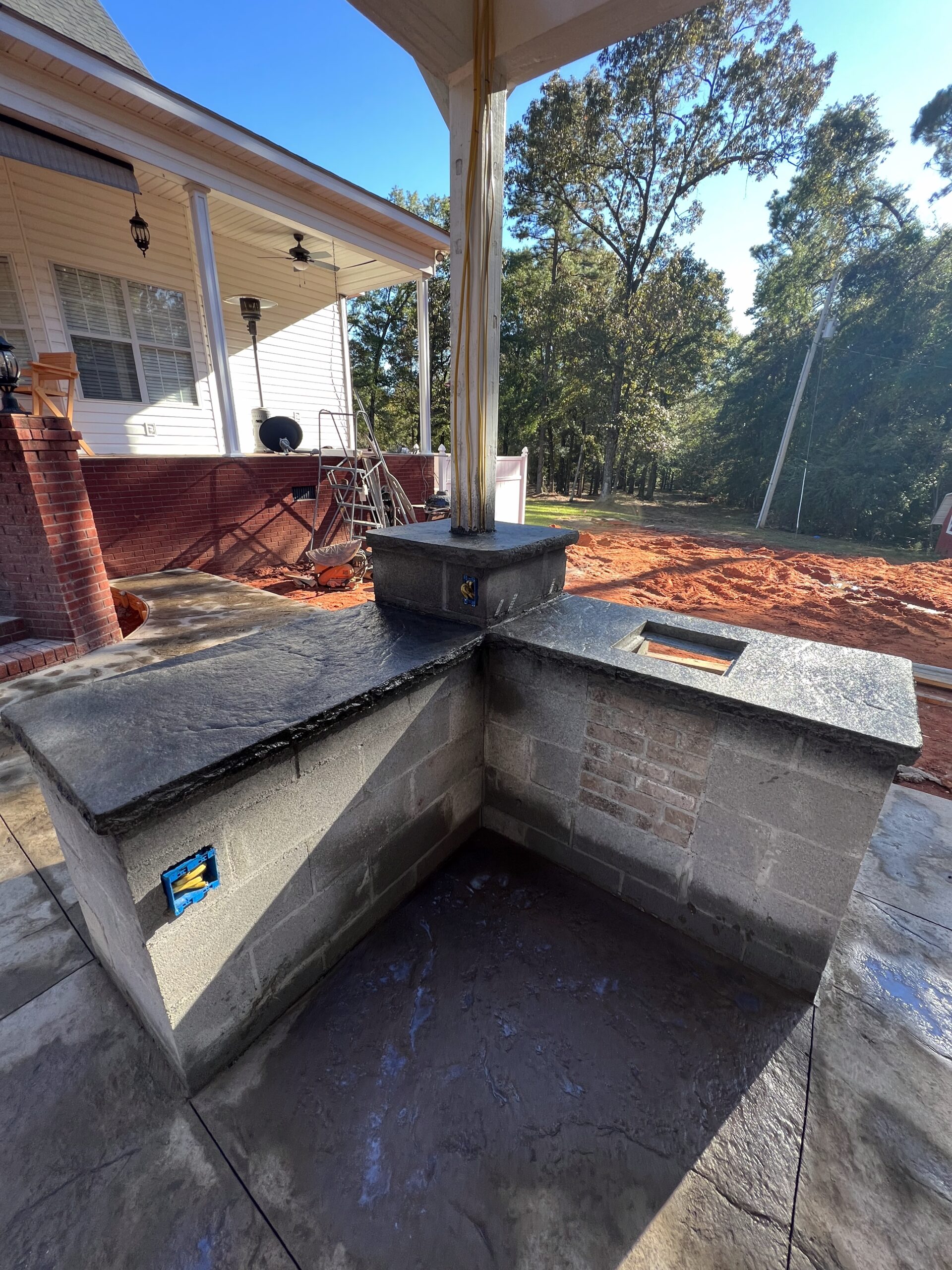
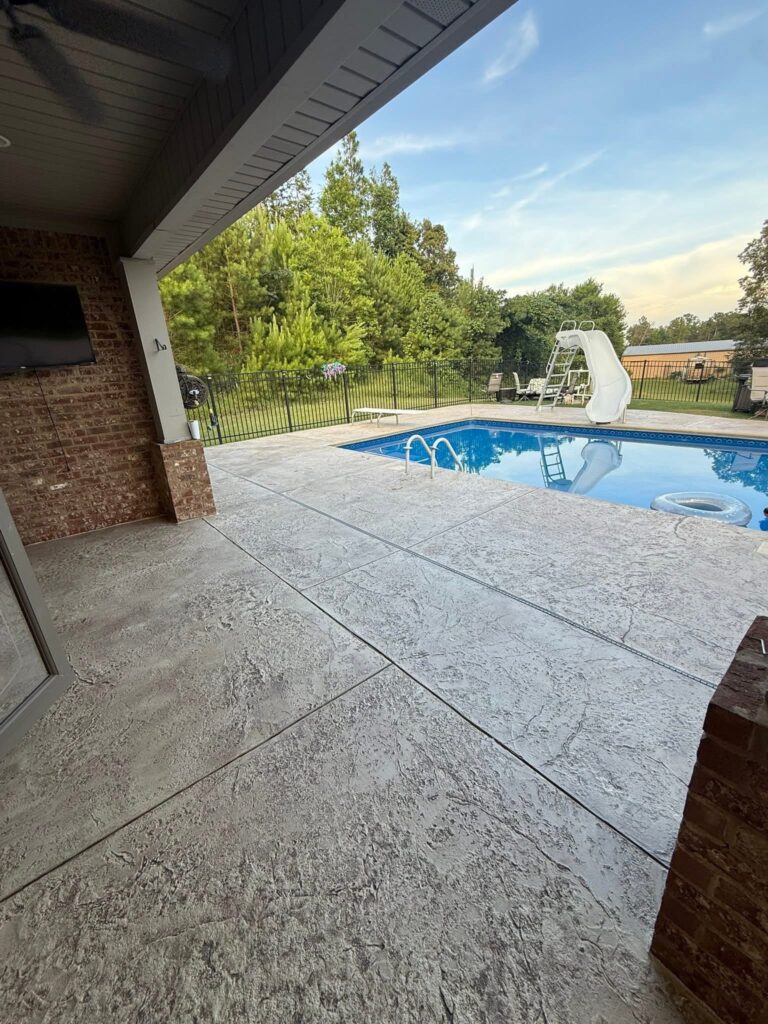
Your pool deck is more than just a functional surface—it’s a central part of your backyard experience. Over time, pool decks can suffer from wear and tear due to weather, heavy foot traffic, pool chemicals, and natural aging. Cracks, discoloration, and surface deterioration are common issues that not only affect the appearance of your outdoor space but can also pose safety hazards.
Pool deck resurfacing is the process of restoring, protecting, and enhancing the surface of your deck to ensure it remains safe, attractive, and long-lasting. Understanding why resurfacing is necessary, the different options available, and the professional techniques used can help homeowners make informed decisions for their outdoor spaces.
Why Pool Deck Resurfacing Matters
Resurfacing a pool deck is more than just cosmetic—it serves several important purposes:
1. Safety
As concrete ages, surfaces can become rough, cracked, or slippery, increasing the risk of slips and falls. Resurfacing restores texture and grip, helping prevent accidents.
2. Protection
Pool decks are exposed to sun, rain, and harsh chemicals. Resurfacing adds a protective layer that prevents water penetration, reduces cracking, and extends the life of the deck.
3. Aesthetics
Resurfacing gives your deck a fresh, clean look. Modern finishes can mimic natural stone, tile, or other decorative patterns, enhancing the overall appearance of your backyard.
4. Property Value
A well-maintained pool deck adds to your home’s value and appeal, making it more attractive to visitors or potential buyers.
Common Signs Your Pool Deck Needs Resurfacing
Recognizing when it’s time to resurface can prevent further damage. Some common signs include:
-
Cracks, chips, or spalling on the surface
-
Uneven areas or sinking sections
-
Discoloration or fading due to sun exposure
-
Slippery surfaces or worn textures
-
Pool deck edges that show erosion or damage
Addressing these issues early through professional resurfacing helps maintain safety and avoids more costly repairs down the line.
Resurfacing Options for Pool Decks
There are several options for resurfacing, depending on your budget, aesthetic preferences, and the current condition of the deck:
1. Overlay and Microtopping
Thin overlays or microtoppings provide a new surface layer that can hide minor imperfections and give your deck a smooth, uniform appearance.
2. Stamped Concrete
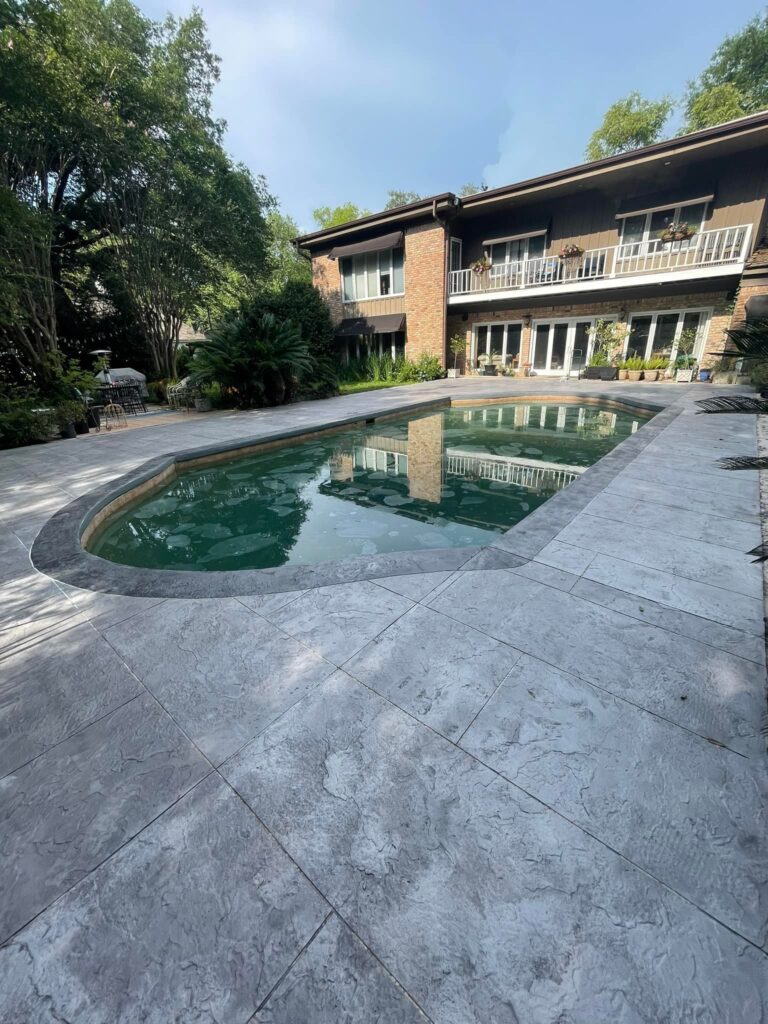
Stamped concrete allows homeowners to add texture and pattern to the pool deck, mimicking natural stone, brick, or tile while retaining the durability of concrete.
3. Colored Concrete
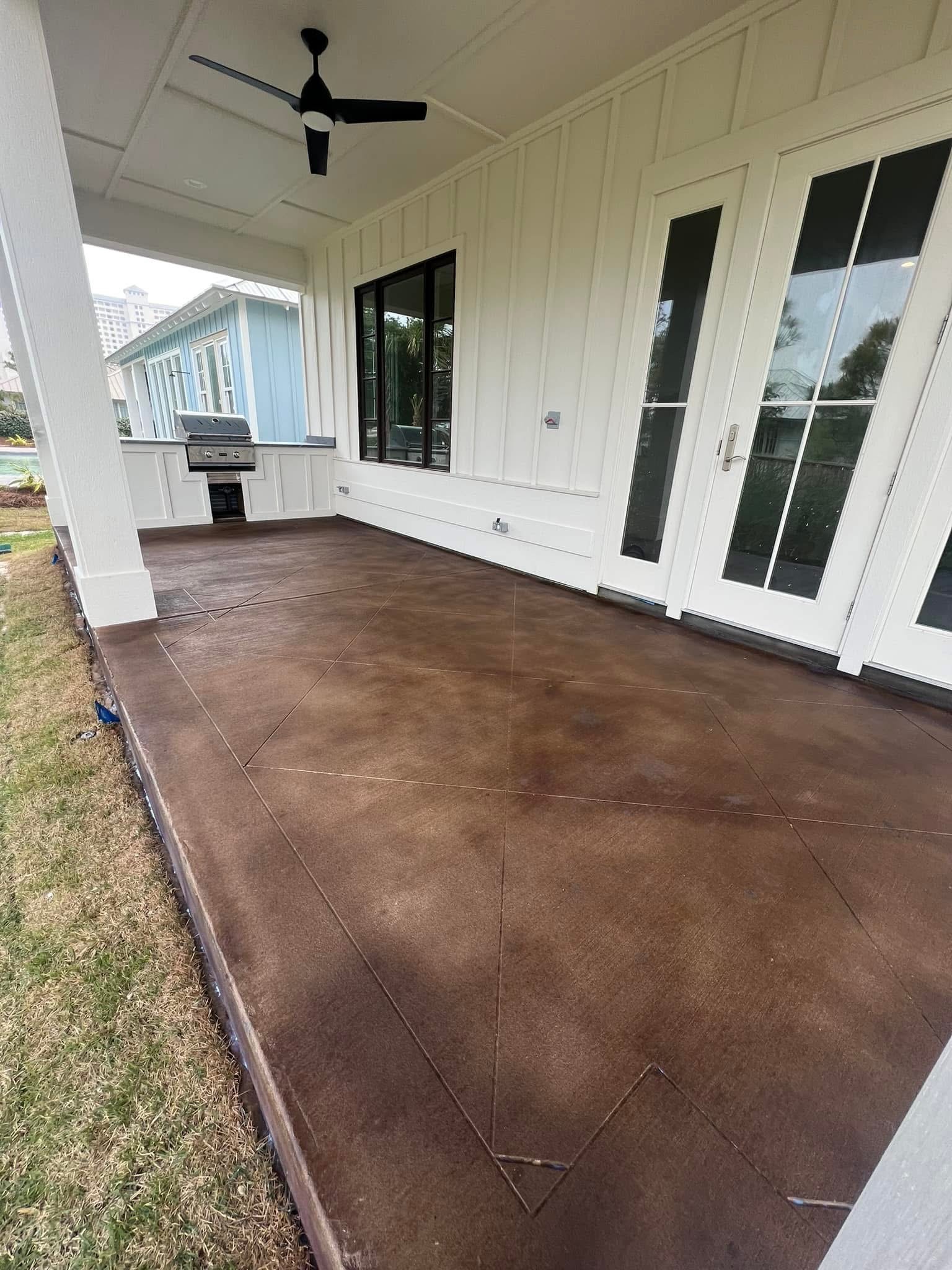
Adding pigments during resurfacing can give your deck a vibrant, long-lasting color. Modern sealers ensure the color remains resistant to fading from sunlight and pool chemicals.
4. Exposed Aggregate
Exposed aggregate finishes offer slip-resistant surfaces with a decorative look. Small stones embedded in the concrete surface create texture while adding visual interest.
5. Coatings and Sealers
Specialized coatings provide extra protection against chemicals, water, and UV rays. Some coatings also improve traction and make the surface easier to clean.
The Resurfacing Process
Professional resurfacing involves several key steps to ensure a long-lasting, attractive result:
Assessment and Preparation
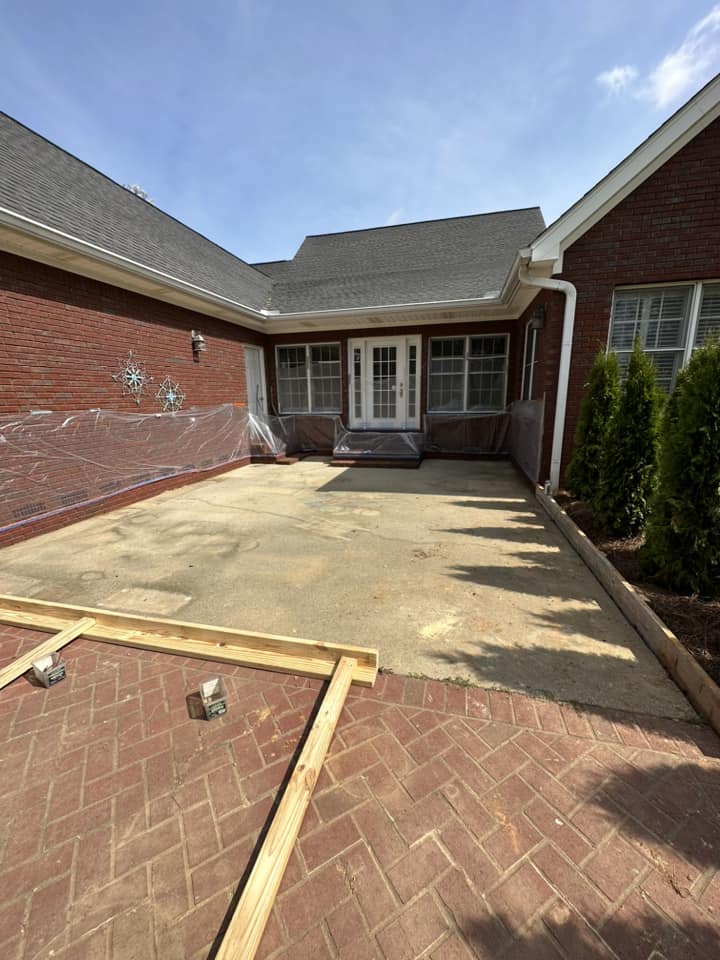
The first step is a thorough inspection of the existing pool deck. Professionals identify cracks, chips, and areas that need repair before resurfacing. Cleaning and etching the surface ensures proper adhesion of the new layer.
Repairs
Any damaged areas, including cracks or spalled sections, are repaired. This creates a smooth, stable foundation for the new surface.
Application of Resurfacing Material
Depending on the chosen method, the resurfacing material is applied carefully and evenly. For overlays, microtoppings, or coatings, professionals use trowels, brushes, or sprayers to ensure a uniform finish.
Texturing and Finishing
For decorative finishes like stamping or exposed aggregate, the surface is textured to achieve the desired look while maintaining slip resistance.
Curing and Sealing
Proper curing is critical for durability. Once the surface is cured, a protective sealer is applied to prevent water penetration, chemical damage, and fading.
Maintenance Tips After Resurfacing
Even with professional resurfacing, proper maintenance is essential for longevity:
-
Clean the surface regularly to remove debris, dirt, and pool chemicals
-
Inspect for cracks or chips and address minor issues promptly
-
Reapply sealers as recommended by professionals
-
Avoid dragging heavy objects or furniture across the deck to prevent surface damage
Routine care ensures your pool deck remains safe, beautiful, and functional for years to come.
Benefits of Hiring Professionals
While DIY resurfacing may be tempting, professionals bring expertise, equipment, and materials that ensure long-lasting results. They can assess the unique conditions of your deck, recommend the best resurfacing method, and execute the process efficiently. Professional workmanship minimizes risks of errors, ensures proper adhesion, and maximizes the durability and aesthetic appeal of the finished surface.
Conclusion
Pool deck resurfacing is an essential step for homeowners who want to maintain safety, beauty, and value in their outdoor spaces. By recognizing the signs of wear, understanding the available resurfacing options, and trusting professional techniques, property owners can enjoy a durable, attractive pool deck for years to come.
A well-resurfaced pool deck not only enhances the backyard experience but also protects your investment and ensures your family and guests can enjoy a safe, stylish outdoor environment. Whether you choose decorative finishes, slip-resistant textures, or protective coatings, resurfacing is a smart solution for refreshing and prolonging the life of your pool deck.