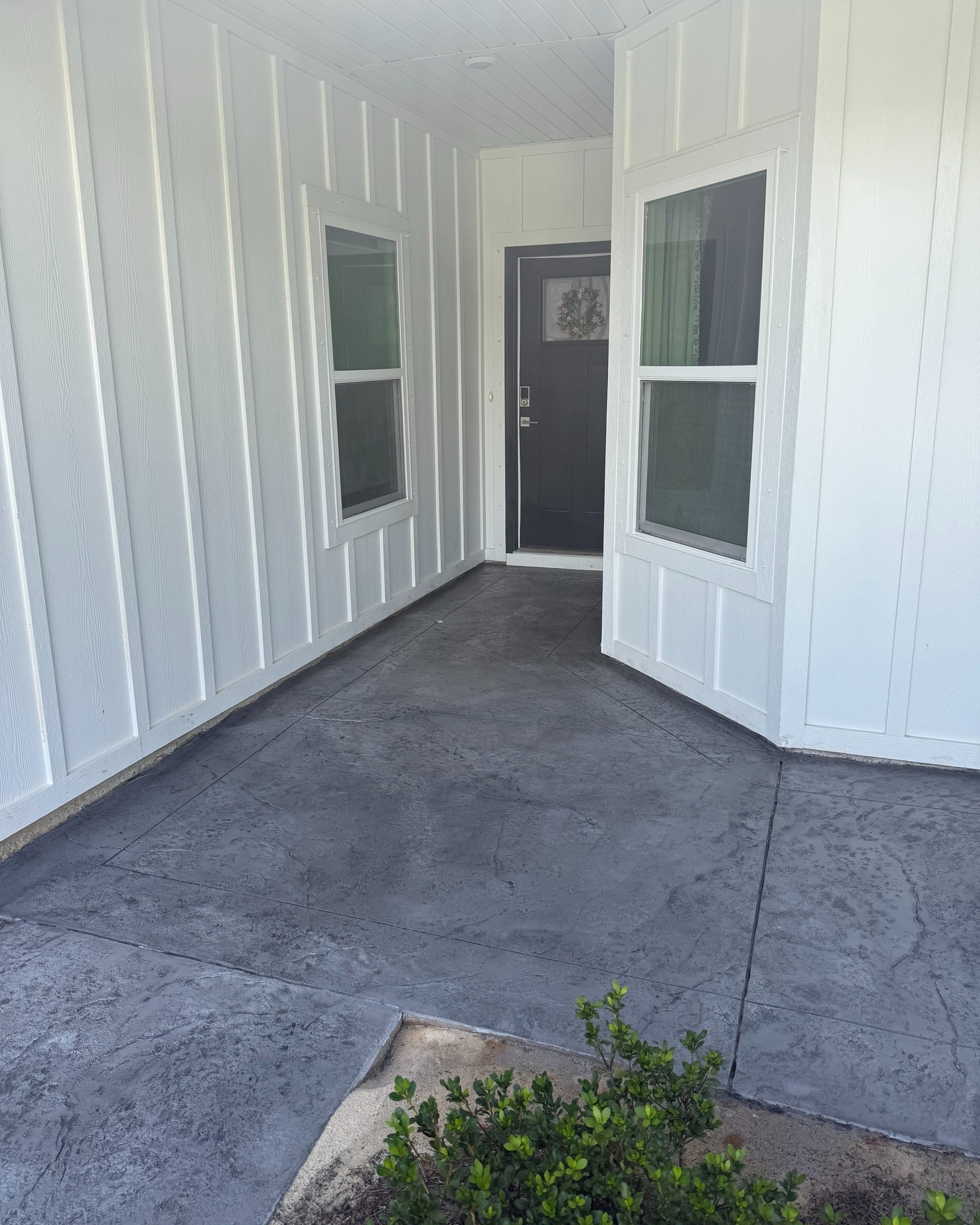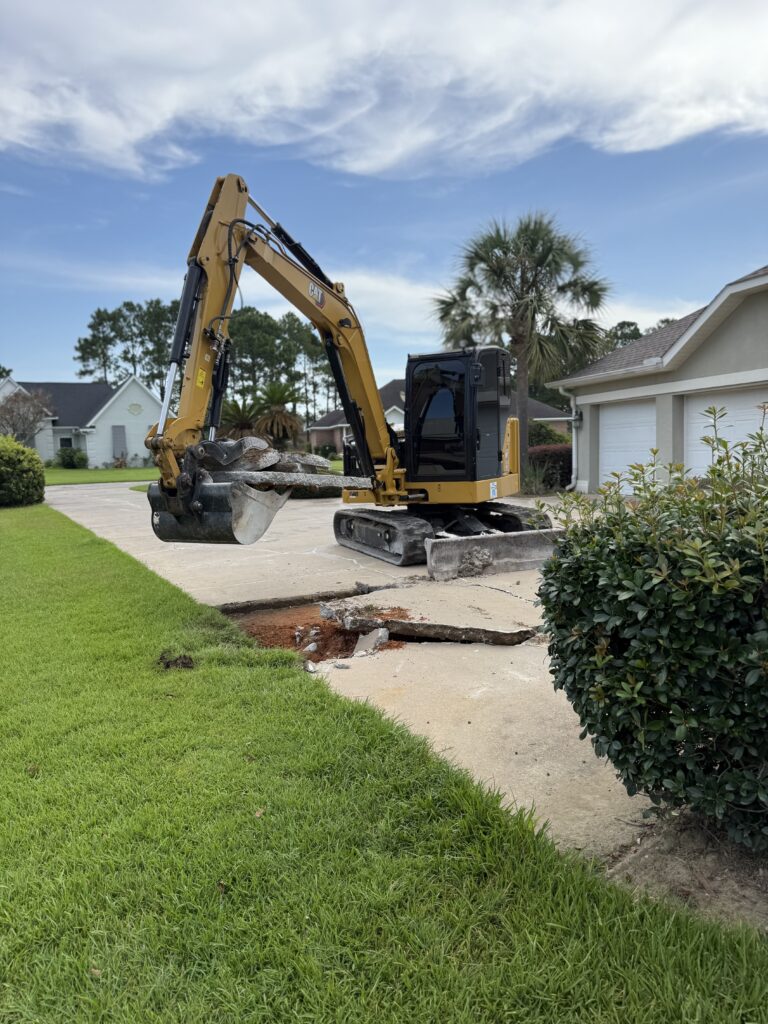
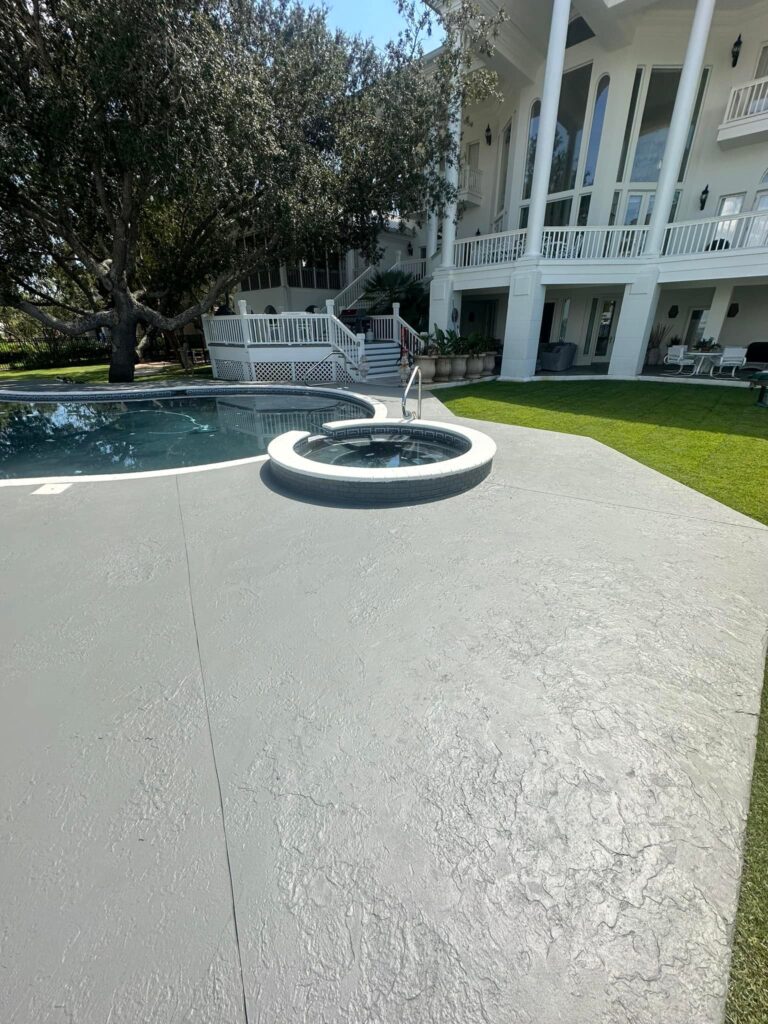
Concrete is known for its strength and durability, but like any material exposed to the elements, it is not immune to the effects of weather. Over time, changing temperatures, moisture, and environmental conditions can take a toll on even the most well-installed concrete surfaces. For property owners, understanding how weather impacts concrete is essential for maintaining its appearance, structural integrity, and longevity. Whether it’s a driveway, patio, sidewalk, or commercial surface, being proactive about weather-related wear and tear can save significant time and money in the long run.
The Effects of Heat on Concrete
In warmer climates, prolonged exposure to high temperatures can have a noticeable impact on concrete surfaces. Heat causes concrete to expand, and while this may seem minor, repeated expansion over time can lead to surface stress and eventual cracking. This is especially true when proper expansion joints are not in place or when the concrete was not installed with temperature fluctuations in mind. In addition to expansion, intense sunlight can cause the surface to dry out more quickly, which may lead to fading, discoloration, and a weakened top layer.
Another issue related to heat is rapid moisture evaporation during the curing process. If concrete cures too quickly due to high temperatures, it may not reach its full strength, making it more susceptible to cracking and surface damage later on. For property owners, this highlights the importance of proper installation techniques and ongoing maintenance to combat the effects of heat.
Moisture and Humidity: A Constant Challenge
Moisture is one of the most significant factors affecting concrete, particularly in coastal or humid regions. While concrete may appear solid, it is actually porous, meaning it can absorb water over time. Excess moisture can seep into small cracks and pores, weakening the structure from within. In areas with frequent rain or high humidity, this constant exposure can accelerate wear and lead to issues such as surface scaling, mold growth, or discoloration.
Humidity can also slow down the drying and curing process, which may affect the overall strength of the concrete if not properly managed. Over time, repeated exposure to moisture can contribute to erosion of the surface layer, leaving concrete looking worn and uneven. This is why sealing concrete is such an important step in protecting it from long-term water damage.
The Impact of Storms and Coastal Conditions
For properties located near the coast, weather-related challenges can be even more pronounced. Salt air, heavy rains, and strong storms all contribute to the gradual breakdown of concrete surfaces. Salt, in particular, is highly corrosive and can penetrate the surface, leading to internal damage and weakening of the material. This is often seen in the form of cracking, spalling, or flaking.
Storms can also bring debris, standing water, and sudden pressure changes, all of which can stress concrete surfaces. Over time, these repeated impacts can shorten the lifespan of driveways, patios, and walkways. For coastal property owners, taking preventative measures is key to maintaining durable and visually appealing concrete.
Freeze-Thaw Cycles and Temperature Swings
In regions that experience colder temperatures, freeze-thaw cycles are one of the leading causes of concrete damage. When water seeps into the pores of concrete and freezes, it expands. As it thaws, the water contracts, and this repeated cycle creates internal pressure that can cause cracking and surface deterioration.
Even in areas where freezing temperatures are less common, occasional cold snaps combined with moisture can still cause minor damage over time. These small cracks may seem insignificant at first, but they can grow larger if left untreated, eventually leading to more costly repairs or replacement.
How Weather-Related Damage Develops Over Time
Concrete damage caused by weather rarely happens overnight. Instead, it develops gradually as surfaces are exposed to ongoing environmental stress. Small cracks, slight discoloration, or minor surface wear may be early warning signs that your concrete is being affected by the elements. Ignoring these signs can allow the damage to worsen, eventually leading to structural issues that require more extensive repairs.
Understanding this progression is important because it emphasizes the value of early intervention. Addressing minor issues before they become major problems not only preserves the appearance of your concrete but also extends its overall lifespan.
Preventative Measures to Protect Your Concrete
Protecting your concrete from weather-related damage starts with proactive care and maintenance. One of the most effective ways to safeguard concrete is by applying a high-quality sealer. Sealers act as a protective barrier, preventing moisture from penetrating the surface and reducing the impact of temperature changes. Regular resealing ensures continued protection and helps maintain the appearance of the concrete.
Proper drainage is another critical factor. Standing water can accelerate deterioration, so ensuring that your property is graded correctly and that water flows away from concrete surfaces can make a significant difference. Keeping surfaces clean and free of debris also prevents buildup that can trap moisture and contribute to damage.
Routine inspections are equally important. By regularly checking for cracks, chips, or signs of wear, property owners can address issues early and prevent them from escalating. Simple repairs, when done promptly, can add years to the life of your concrete.
When to Repair vs. Replace
Not all weather-related damage requires a full replacement. In many cases, concrete can be repaired or resurfaced to restore its appearance and functionality. Minor cracks, surface wear, and discoloration are often good candidates for resurfacing, which provides a fresh, durable layer without the need for complete removal.
However, when damage is extensive—such as deep structural cracks, significant shifting, or widespread deterioration—replacement may be the better long-term solution. Consulting with a professional can help determine the most cost-effective and practical approach for your specific situation.
The Value of Professional Maintenance
While some maintenance tasks can be handled by property owners, professional services offer a higher level of expertise and long-term protection. Professionals can assess the condition of your concrete, recommend appropriate treatments, and apply products that are designed to withstand local weather conditions. This ensures that your concrete not only looks great but also performs well over time.
Investing in professional maintenance is especially beneficial in areas with harsh or unpredictable weather. With the right care, concrete surfaces can remain strong, safe, and visually appealing for many years.
Conclusion
Weather plays a significant role in the lifespan and performance of concrete surfaces. From intense heat and high humidity to storms and temperature fluctuations, environmental factors can gradually wear down even the most durable concrete. However, with the right knowledge and proactive approach, property owners can protect their investment and extend the life of their surfaces. Regular maintenance, proper sealing, and timely repairs all contribute to keeping concrete in excellent condition. By understanding how weather impacts concrete and taking steps to address potential issues early, you can ensure that your driveways, patios, and walkways remain both functional and attractive for years to come.