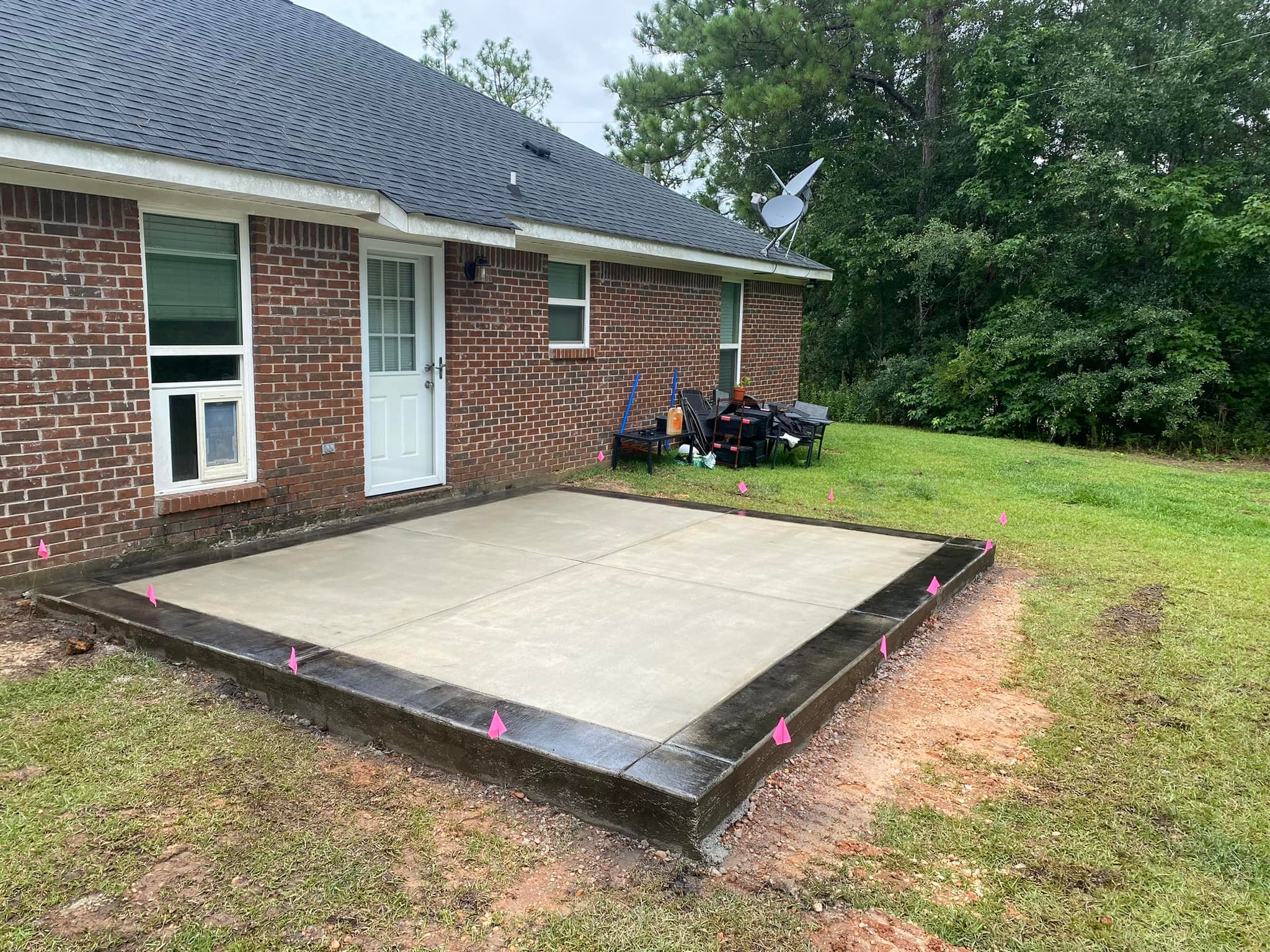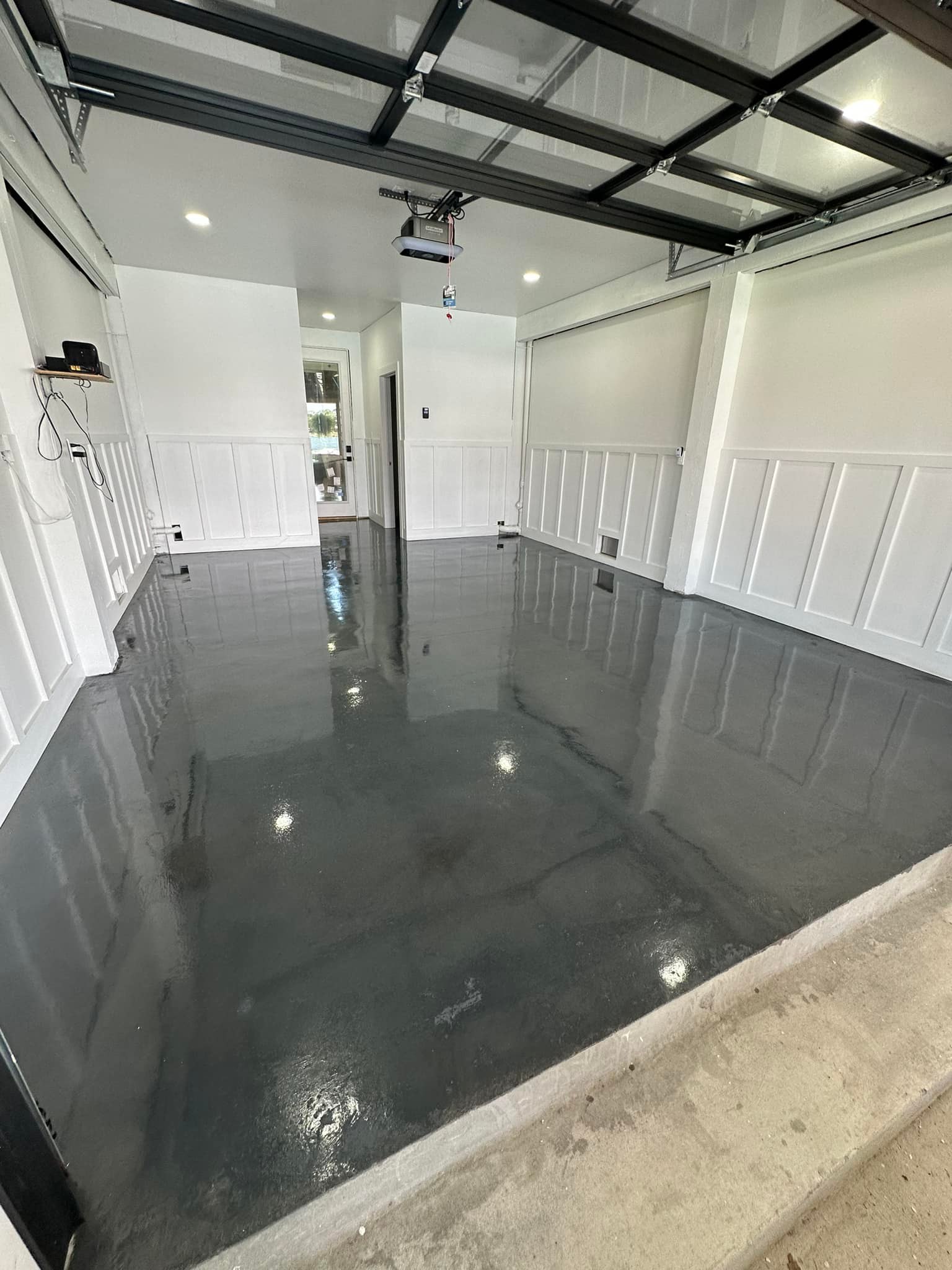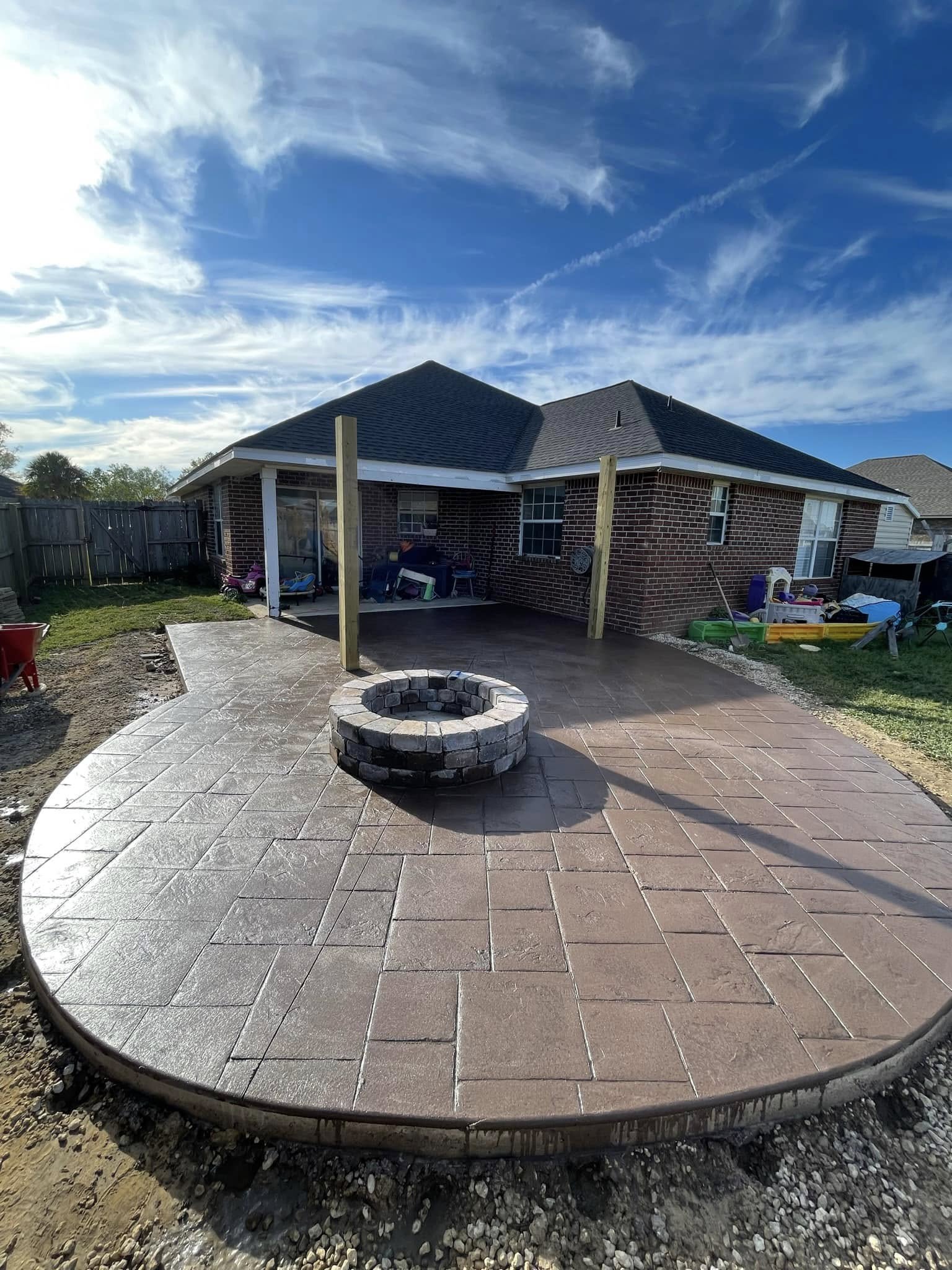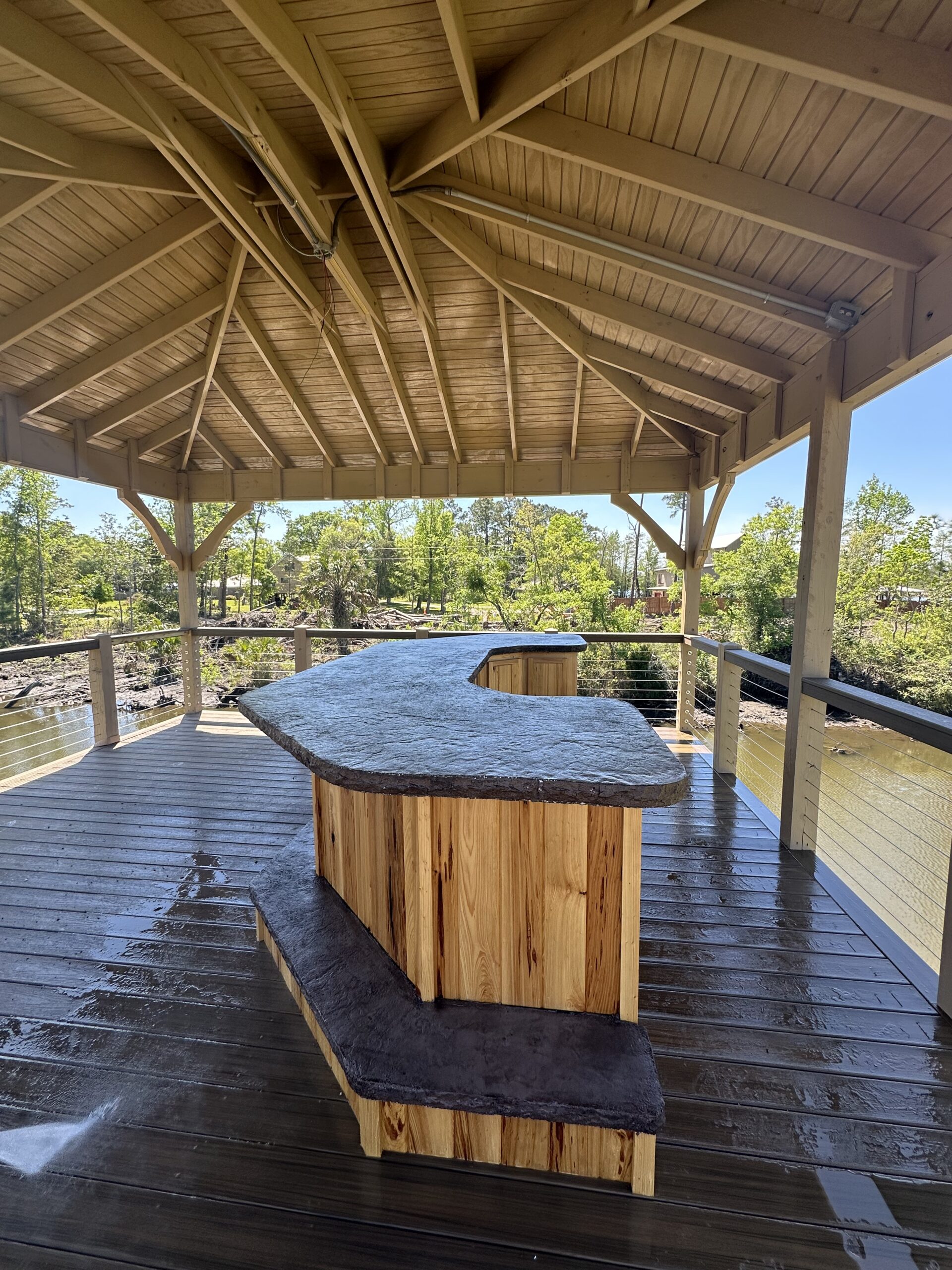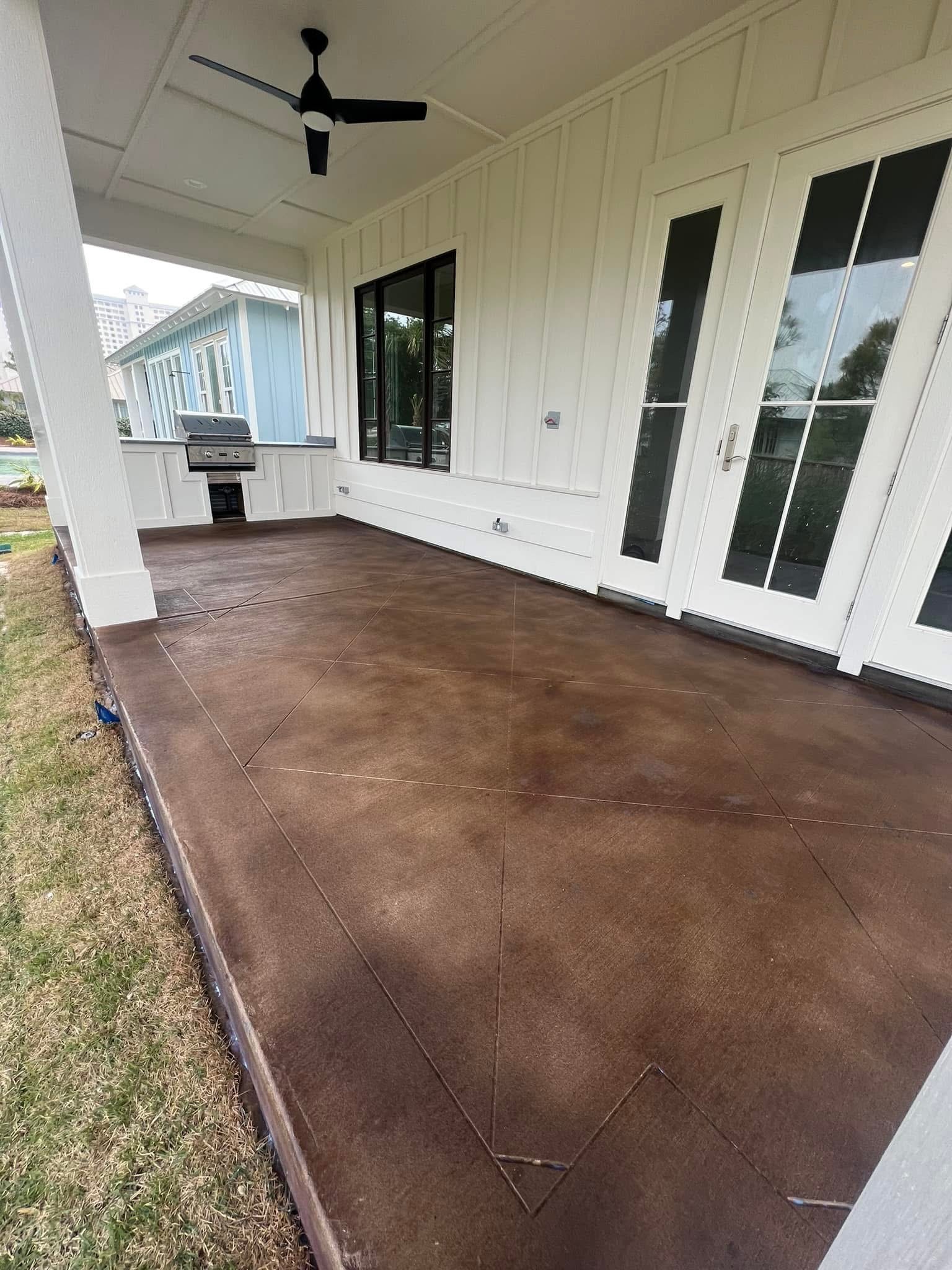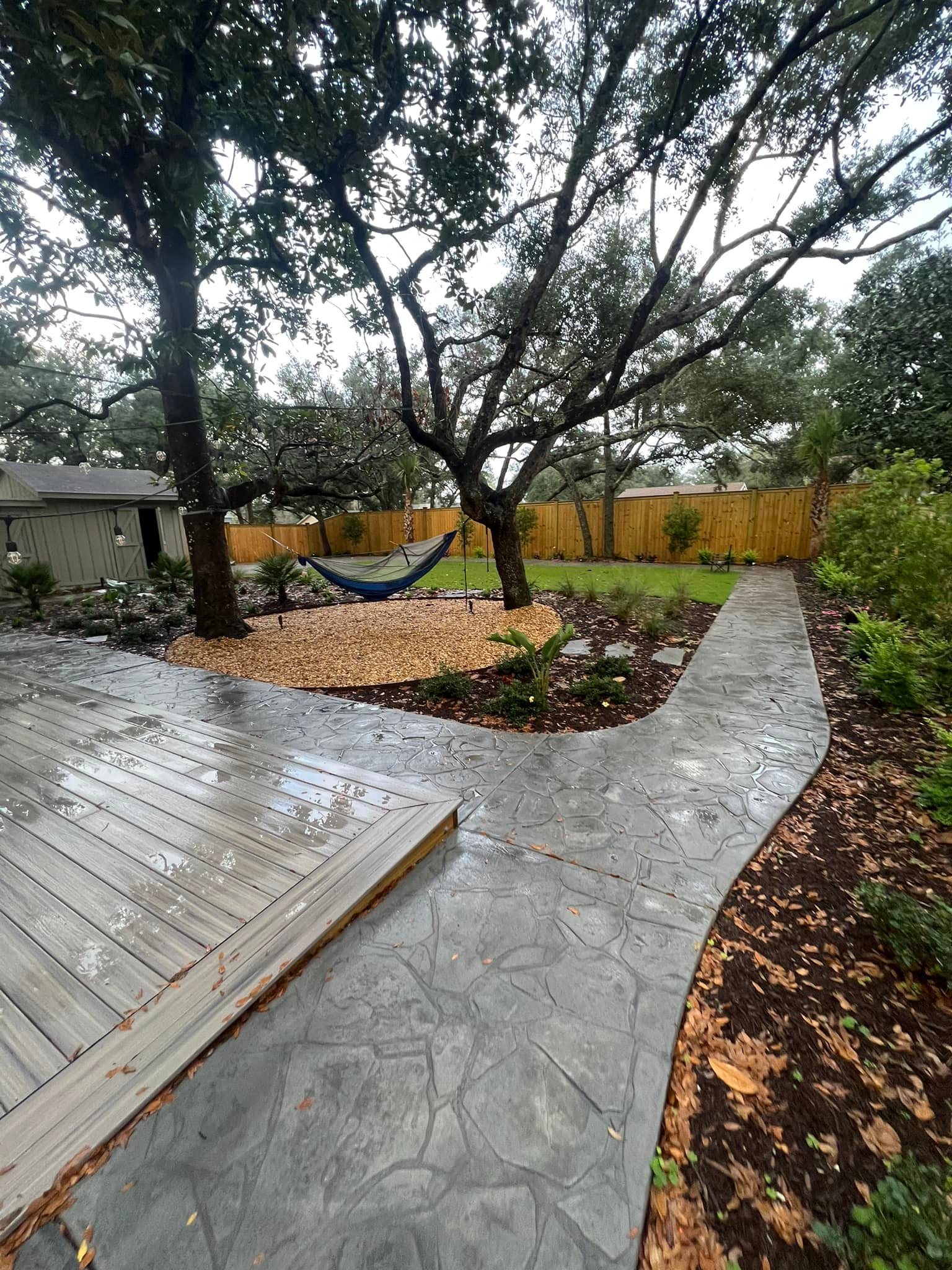
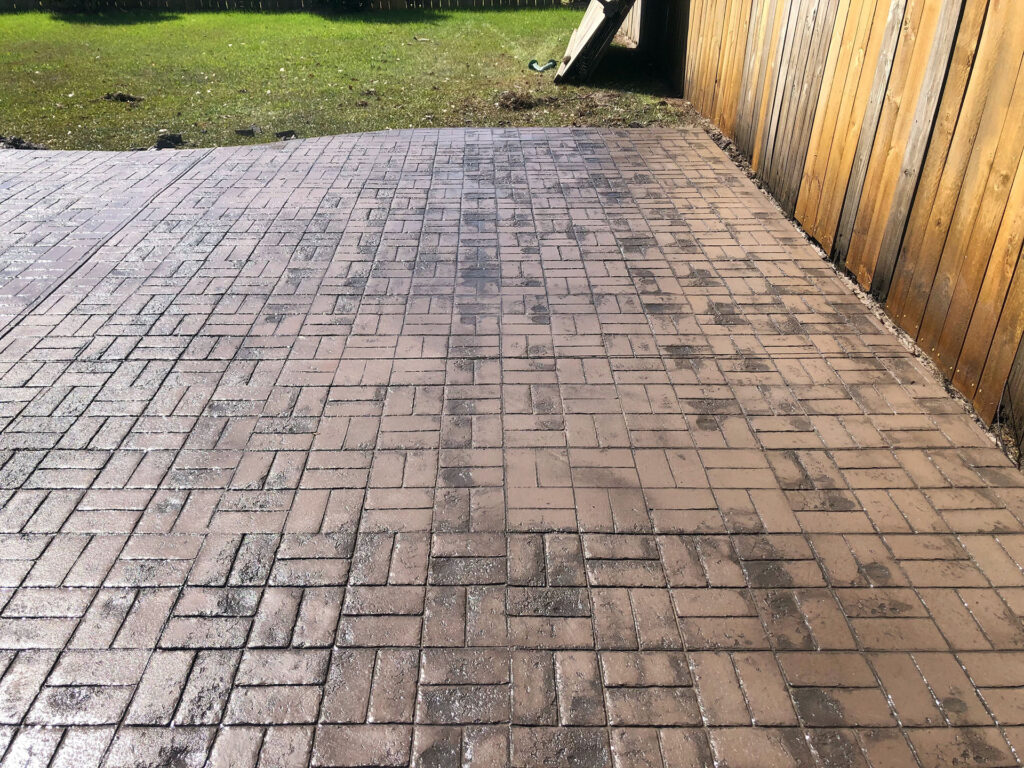
Concrete is one of the most durable and versatile building materials, but like any construction material, it is affected by environmental conditions. In Alabama, the combination of heat, humidity, and occasional freeze/thaw cycles can have a significant impact on the performance and longevity of concrete installations. Understanding these challenges and how to address them is crucial for homeowners, contractors, and builders seeking long-lasting, high-quality results.
The Impact of Heat on Concrete
Alabama summers bring high temperatures that can accelerate the curing process of concrete. While proper curing is essential for strength development, excessive heat can cause the concrete to dry too quickly, leading to surface cracks, shrinkage, and reduced durability. To combat this, contractors often take measures such as using cooling techniques, adding retarding admixtures, or scheduling pours during cooler parts of the day. Proper hydration and protection from direct sunlight during curing are essential to maintain the structural integrity of the concrete.
Humidity and Moisture Considerations
Alabama’s high humidity levels present both challenges and benefits for concrete work. On one hand, moisture in the air can help slow the curing process and reduce cracking from rapid drying. On the other hand, excessive humidity combined with rain or standing water can interfere with finishing, wash out cement from the surface, or lead to uneven textures. Contractors carefully monitor weather forecasts, use protective coverings, and incorporate drainage strategies to ensure concrete sets properly under humid conditions.
Freeze/Thaw Cycles in Coastal and Inland Areas
While Alabama’s winters are generally mild, occasional freeze/thaw cycles can pose a risk to concrete, especially in northern or inland regions. Water that penetrates unsealed concrete can freeze and expand, causing micro-cracks or surface spalling. Over time, repeated freeze/thaw cycles may compromise the surface and reduce the lifespan of the installation. Solutions include using air-entrained concrete, applying proper sealers, and ensuring adequate drainage to minimize water infiltration.
Practical Solutions for Weather-Resistant Concrete
To maximize the durability of concrete in Alabama’s climate, contractors often combine material selection, protective treatments, and installation techniques. Choosing the right concrete mix, incorporating admixtures, and ensuring proper reinforcement are critical. Applying sealers and coatings can protect against moisture and chemical damage, while proper slope and drainage design prevent water accumulation that can accelerate wear. Scheduling pours during optimal weather conditions and protecting freshly poured surfaces from extreme temperatures or precipitation ensures that concrete develops strength and longevity as intended.
Conclusion
Alabama’s climate presents unique challenges for concrete installations, but with careful planning, expert techniques, and the right materials, these challenges can be effectively managed. Understanding how heat, humidity, and freeze/thaw cycles affect concrete allows builders and homeowners to take proactive steps that extend the life of their projects. Whether it’s a driveway, patio, or structural element, paying attention to environmental factors ensures that concrete performs beautifully and lasts for decades.
At ProCon Concrete, we combine experience, precision, and knowledge of local conditions to deliver concrete installations that withstand Alabama’s climate. By choosing the right materials, applying best practices, and anticipating weather impacts, we help clients enjoy durable, high-quality results every time.