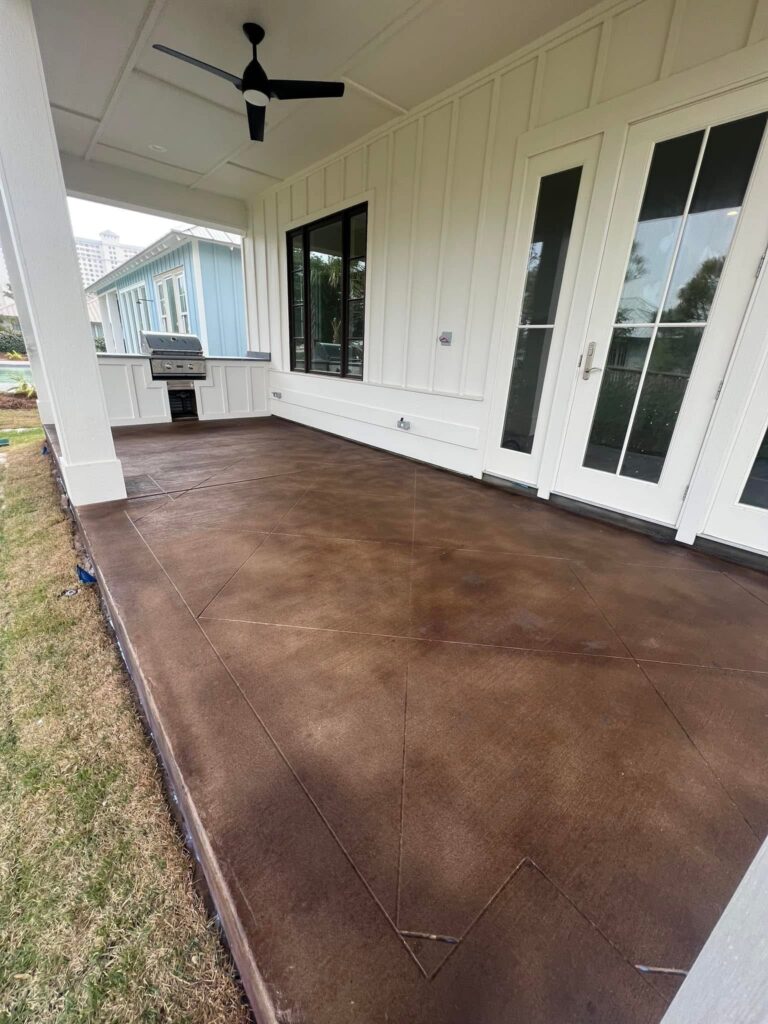
Concrete is no longer just a utilitarian material for garages, basements, or industrial spaces. With advances in decorative concrete techniques, it has become a versatile and stylish option for both residential and commercial flooring. From modern polished surfaces to vibrant stained designs, concrete floors can now serve as a centerpiece of your interior or exterior spaces. However, choosing the right stain or finish is essential to achieving the desired look, durability, and maintenance level. Understanding the options available, including acid stains, water-based stains, epoxy finishes, and polished concrete, will help homeowners and designers make informed decisions that align with their style and functional needs.
Acid Stains: Unique, Earthy, and Timeless
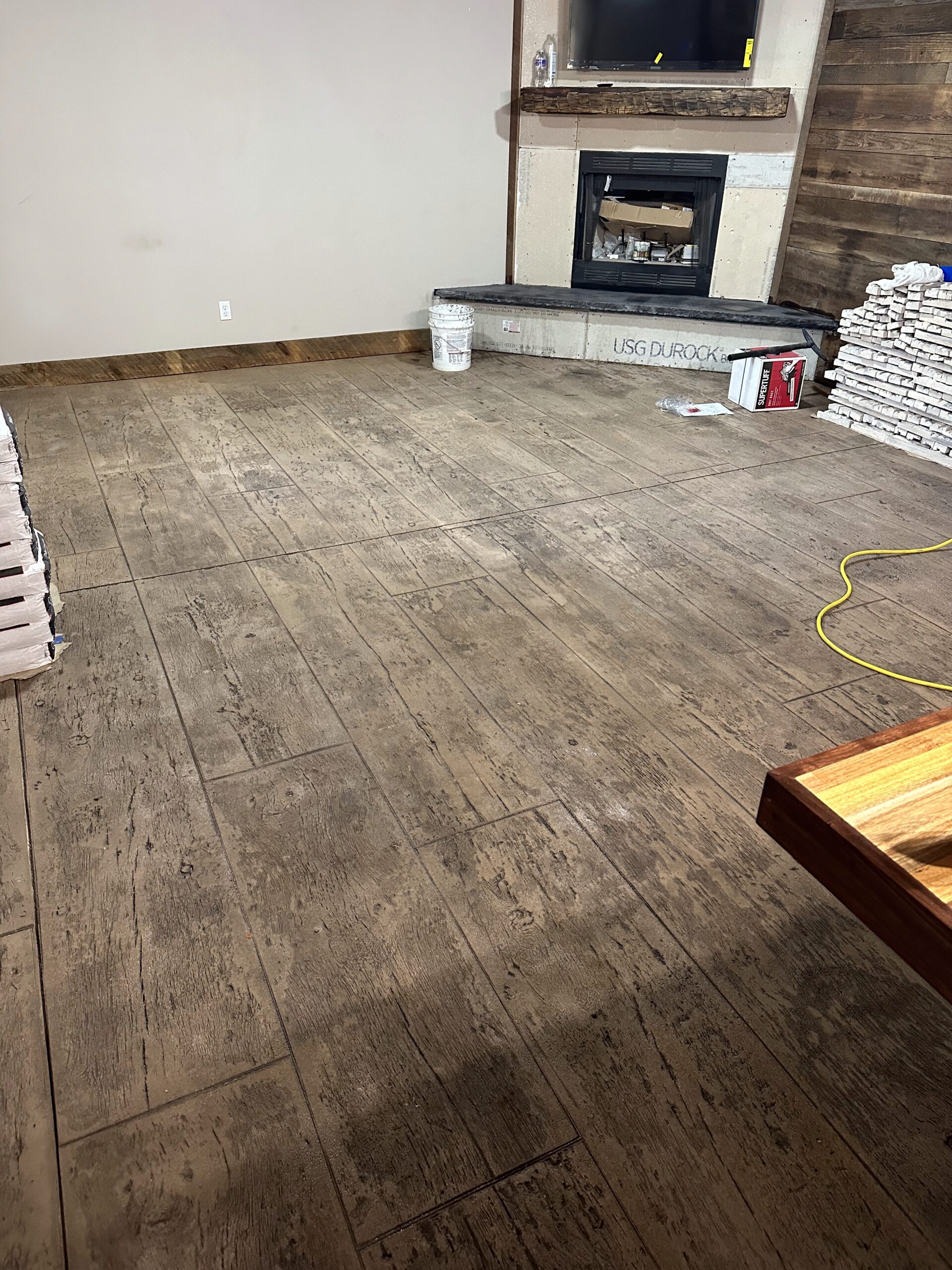
Acid staining has been a popular method for transforming concrete floors into decorative surfaces for decades. This process involves applying a mixture of acid, water, and metallic salts to the concrete, which reacts chemically with the minerals in the concrete to produce rich, variegated colors. The results are natural, earthy tones that can range from subtle browns and tans to deeper hues like rust and mahogany. The uniqueness of acid stain lies in its unpredictability; no two floors will ever be exactly alike, giving each space a distinctive character.
One of the primary benefits of acid staining is its durability. Because the color penetrates the concrete rather than sitting on top of it, it does not chip or peel like traditional paint or coatings. Acid-stained floors are also relatively low-maintenance, requiring only regular cleaning and periodic resealing to preserve the depth and vibrancy of the color. However, it’s important to note that the chemical process can be challenging to control, and achieving specific colors may require professional expertise. Acid stains work beautifully in both indoor and outdoor settings, complementing a wide range of décor styles from rustic to contemporary.
Water-Based Stains: Vibrant Colors and Versatile Designs
Water-based stains provide a different approach to coloring concrete floors. Unlike acid stains, which rely on chemical reactions, water-based stains are pigment-based and allow for a broader range of vibrant, consistent colors. These stains can be applied using a brush, roller, or spray system, offering flexibility in creating patterns, gradients, or even faux finishes like marble or stone. Water-based stains are ideal for homeowners or designers looking for precise color control and design versatility.
The advantages of water-based stains extend beyond aesthetics. They are generally non-toxic, low in volatile organic compounds (VOCs), and safe for indoor use, making them a preferred choice for residential interiors. Water-based stains also penetrate the concrete to some degree, though not as deeply as acid stains, so proper sealing is necessary to protect the color from wear and fading. While they may require more frequent maintenance than acid stains, water-based stains offer unparalleled customization, allowing for artistic designs, stenciling, or multi-tone effects that can make a floor truly one-of-a-kind.
Epoxy Finishes: Durable, Protective, and High-Gloss
Epoxy coatings have become increasingly popular for both residential and commercial concrete floors, particularly in garages, basements, and high-traffic areas. Epoxy is a synthetic resin that creates a hard, durable coating over the concrete surface. This type of finish provides excellent protection against scratches, chemicals, moisture, and stains, making it ideal for areas that experience heavy use or exposure to elements.
One of the standout features of epoxy finishes is their aesthetic flexibility. Epoxy can be formulated in a variety of colors and sheens, from high-gloss to matte, and can include decorative chips or metallic pigments for a unique, textured look. Installation requires careful surface preparation, including cleaning, etching, and sometimes priming, to ensure proper adhesion and longevity. Once applied, epoxy floors are easy to clean and maintain, resisting most stains and spills. However, epoxy coatings can yellow or fade if exposed to prolonged sunlight, so they are often best suited for interior spaces or shaded areas.
Polished Concrete: Sleek, Modern, and Low-Maintenance
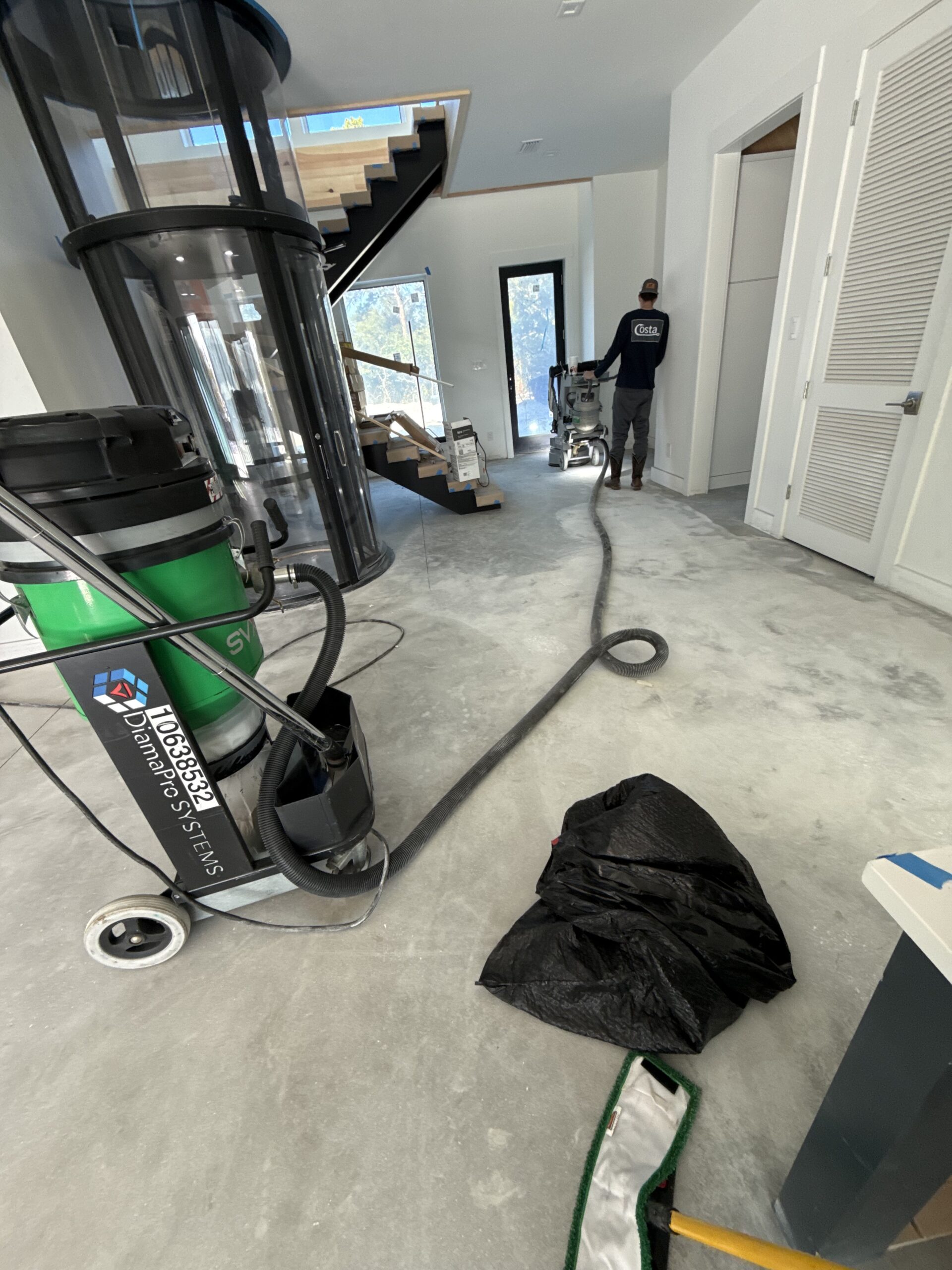
Polished concrete has emerged as a leading choice for those seeking a modern, minimalistic look combined with practical benefits. This process involves mechanically grinding and polishing the concrete surface using progressively finer diamond pads until it achieves a glossy, smooth finish. Polished concrete can range from a soft sheen to a mirror-like reflection, depending on the level of polishing and sealers applied.
The primary appeal of polished concrete lies in its combination of aesthetics and functionality. It is highly durable, resistant to abrasion, and requires minimal maintenance, as there is no coating to chip or peel. Polished floors also improve lighting efficiency, reflecting natural and artificial light, which can make spaces feel brighter and more open. Additionally, polishing enhances the natural beauty of the concrete, allowing subtle color variations, aggregates, or even embedded decorative elements to shine through. While polished concrete may involve higher upfront costs due to labor and equipment, its long-term durability and low maintenance make it a cost-effective choice over time.
Comparing Durability and Maintenance Needs
When selecting a stain or finish for concrete floors, durability and maintenance are key considerations. Acid-stained floors are extremely durable and can last for decades with proper sealing, though resealing every few years is recommended to maintain vibrancy. Water-based stains offer beautiful color options but require more consistent sealing to prevent fading and wear. Epoxy coatings provide the highest level of protection against scratches, chemicals, and moisture, making them ideal for high-traffic or utility areas. Polished concrete is naturally resilient, with minimal upkeep, and does not require coatings, though periodic maintenance such as cleaning and re-polishing may be needed to maintain its glossy appearance.
Choosing the Right Finish for Your Space
The best stain or finish for your concrete floors ultimately depends on your aesthetic goals, functional needs, and maintenance preferences. Acid stains are ideal for those seeking natural, earthy tones with a rustic or timeless appeal. Water-based stains appeal to homeowners looking for vibrant, customizable designs and artistic flexibility. Epoxy coatings work well in high-traffic areas or spaces requiring strong protection, such as garages and basements. Polished concrete is perfect for sleek, modern interiors where low maintenance and long-lasting durability are priorities.
Other factors to consider include the level of foot traffic, exposure to sunlight, indoor versus outdoor installation, and compatibility with existing décor. Consulting with a professional decorative concrete contractor can help you evaluate your options, determine the best products and application methods, and ensure a flawless, long-lasting result.
Enhancing Decorative Concrete with Accessories and Techniques
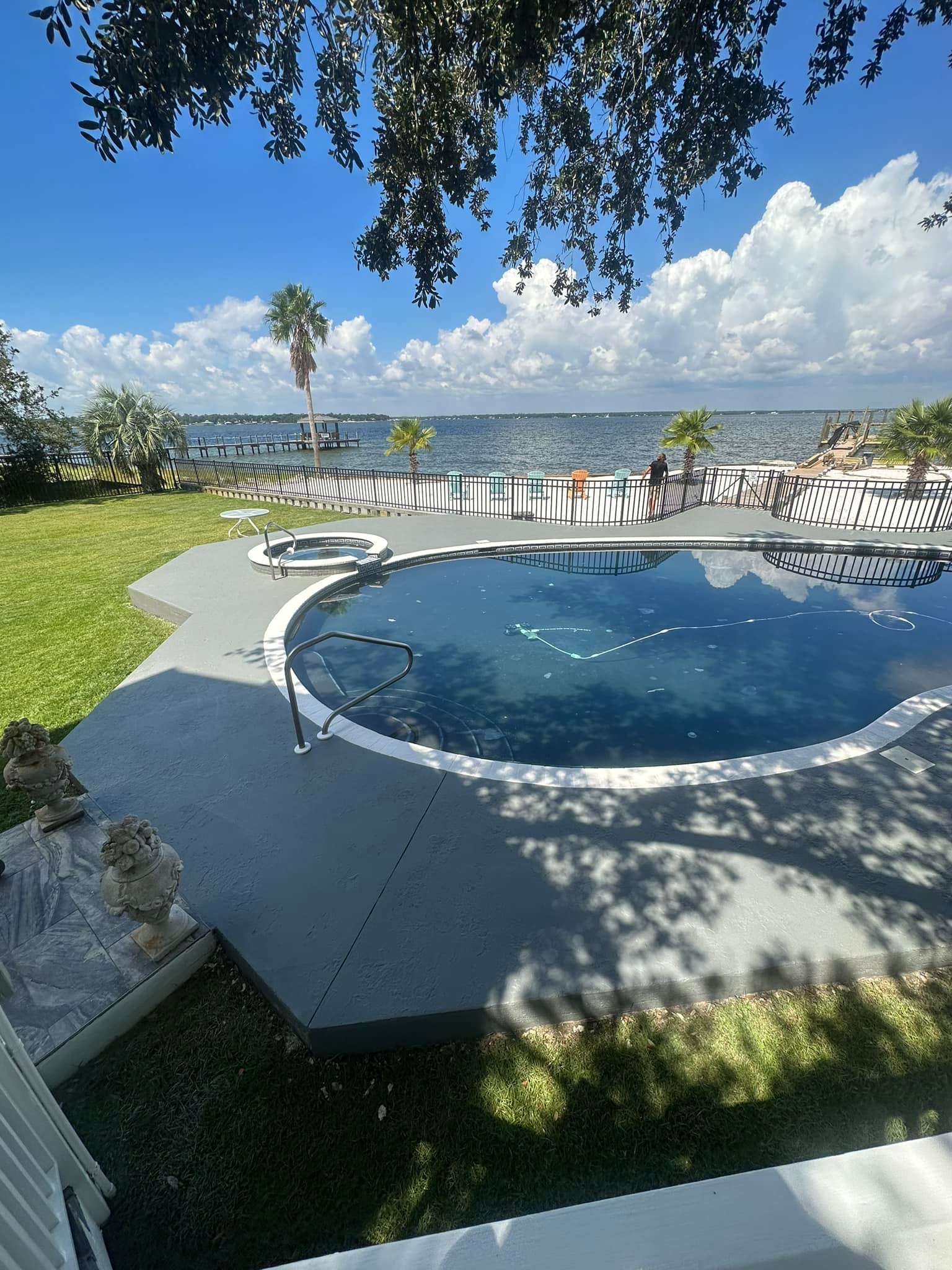
Decorative concrete offers opportunities for creativity beyond stains and finishes. Combining staining or finishing techniques with stamping, overlays, or scoring can create intricate patterns and textures that elevate the design. Adding integral color, metallic pigments, or decorative aggregates can also enhance visual appeal. Choosing the right combination of stain and finish, along with thoughtful design elements, ensures a floor that not only performs well but also complements the overall style and character of your home or business.
Conclusion
Choosing the perfect stain or finish for concrete floors is a balance between aesthetics, durability, and maintenance. Understanding the differences between acid stains, water-based stains, epoxy finishes, and polished concrete empowers homeowners and designers to make informed decisions that align with their vision and practical needs. Each option has unique advantages and applications, from the natural beauty of acid stains to the high-gloss protection of epoxy and the modern elegance of polished concrete. With careful selection and professional installation, decorative concrete floors can transform a space, offering lasting beauty, functionality, and value.