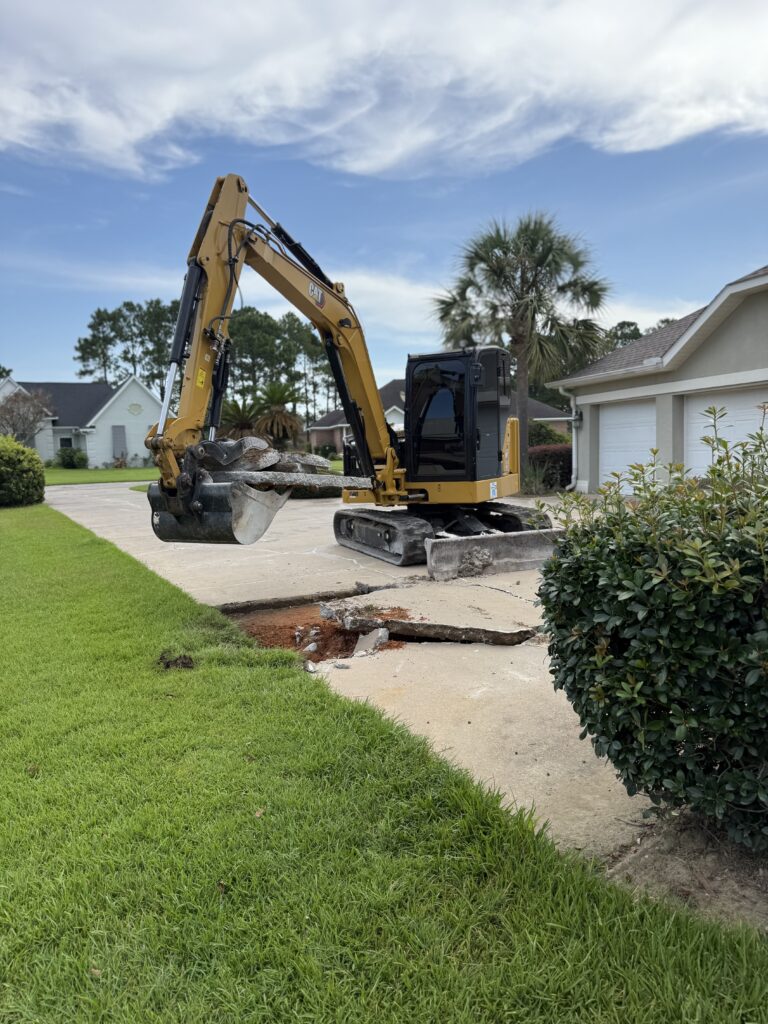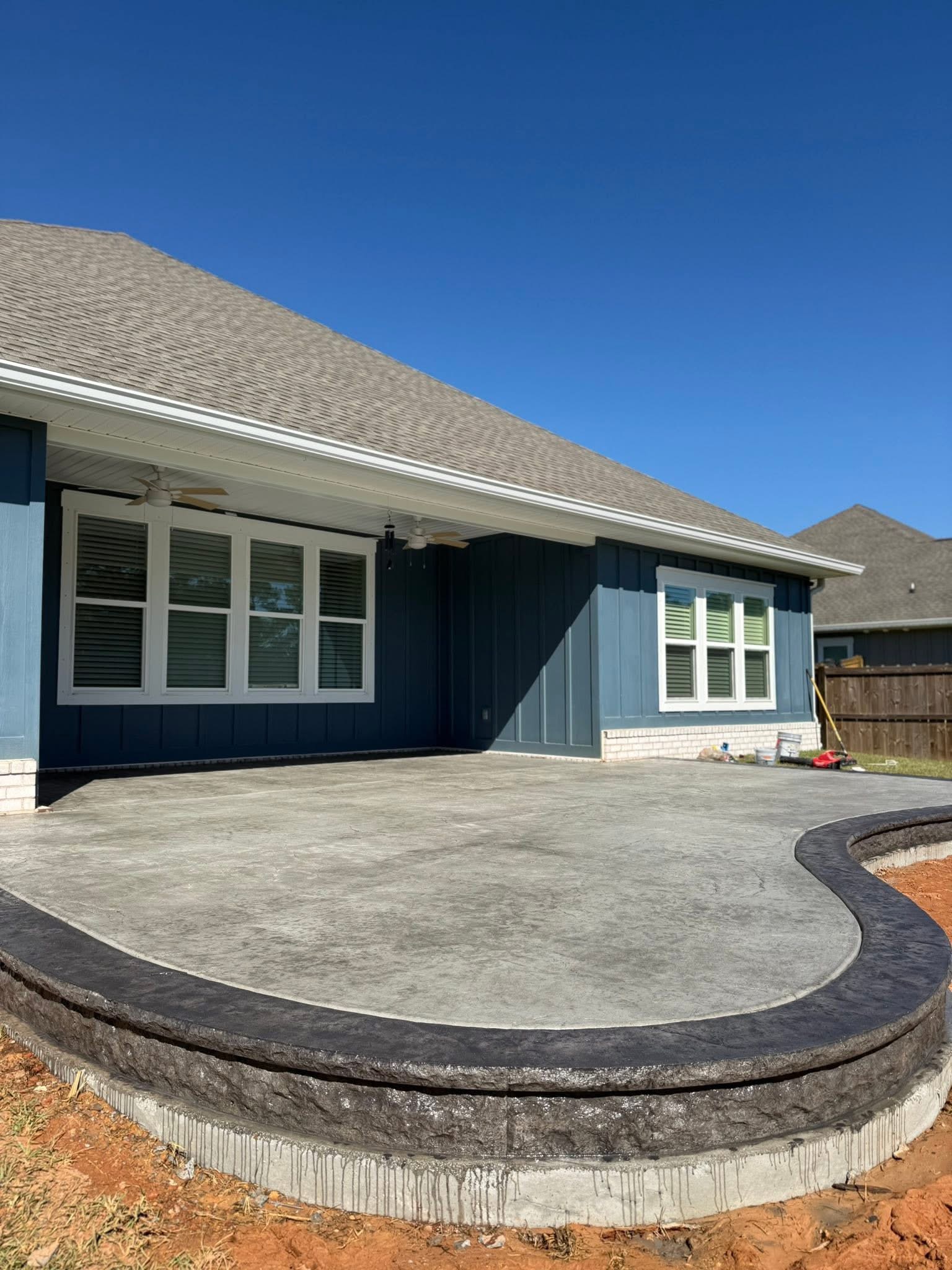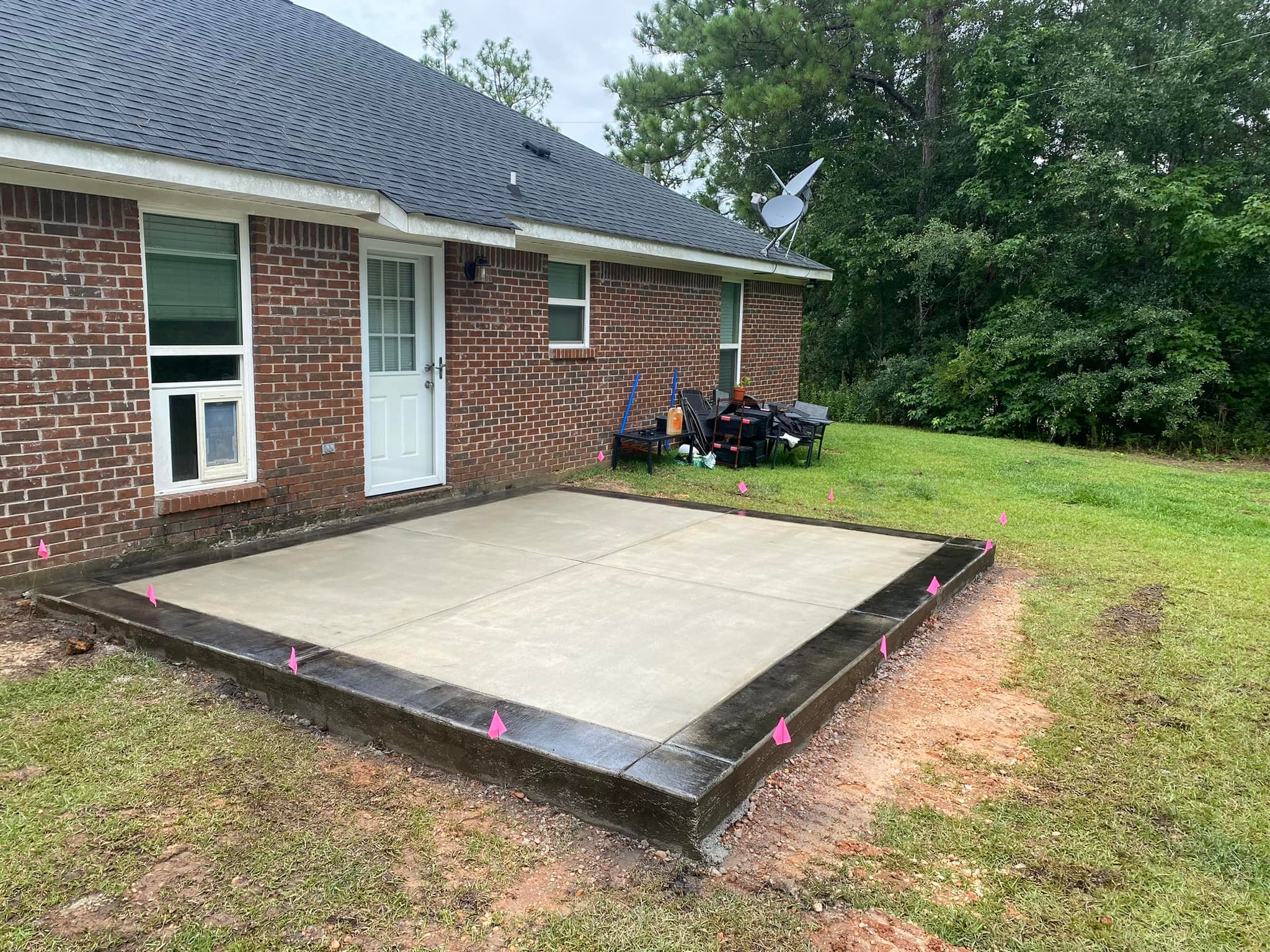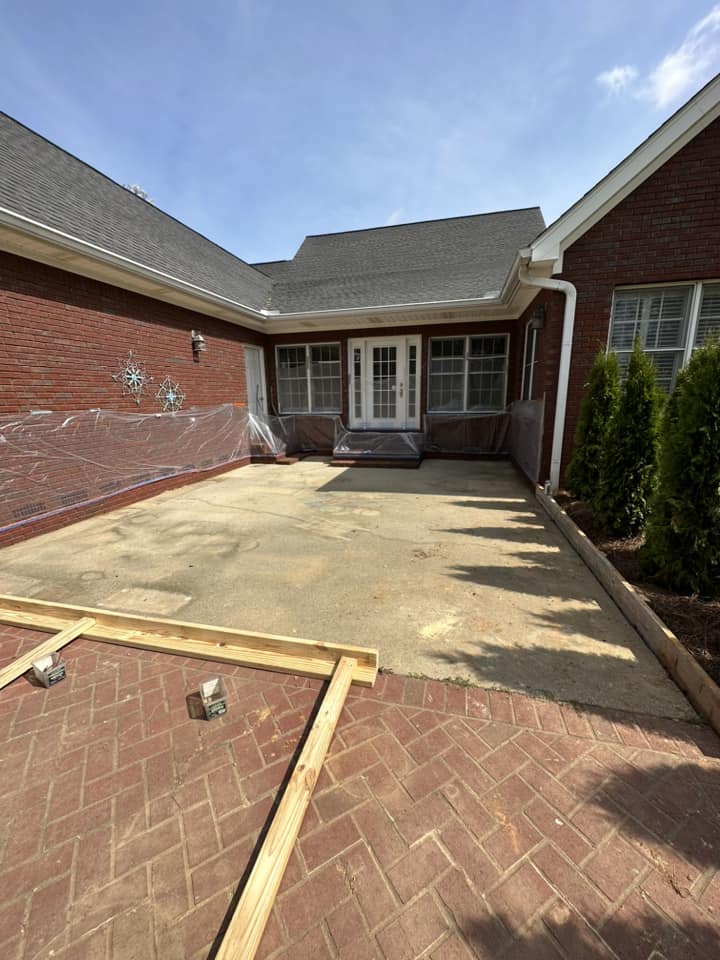
Concrete is one of the most durable building materials, but even the strongest surfaces aren’t immune to cracks, chips, and general wear. Over time, exposure to weather, heavy traffic, and natural settling can take a toll on driveways, patios, walkways, and other concrete surfaces. What may start as a small imperfection can quickly turn into a costly problem if left unaddressed. Knowing when to repair concrete can save homeowners time, money, and headaches while keeping surfaces safe and visually appealing.
Understanding the Causes of Concrete Damage
Concrete damage can result from a variety of factors. Temperature fluctuations, freeze-thaw cycles, and exposure to moisture can cause cracks to form and expand. Heavy vehicles, foot traffic, and equipment can lead to chips, pitting, and surface wear. Even the natural settling of a home’s foundation can create stress lines in concrete.
Understanding the underlying cause of damage is essential before planning repairs. Minor hairline cracks may only need surface treatments, while deeper structural issues may require more extensive work. Identifying the problem early ensures the right solution is applied, preventing further deterioration.
Why Early Repairs Matter
Addressing concrete damage promptly is key to avoiding more serious problems. Small cracks can allow water to seep in, which may erode the subbase, cause further cracking, and even lead to heaving in colder climates. Chips and worn surfaces not only look unattractive but can also create tripping hazards, especially in high-traffic areas.
Early intervention is also more cost-effective. Repairing a minor crack or resurfacing a small area is significantly cheaper and less labor-intensive than replacing an entire driveway or patio. Proactive maintenance preserves the lifespan and structural integrity of your concrete, keeping it strong, functional, and attractive.
Signs It’s Time to Repair Concrete
Not all cracks or surface wear require immediate attention, but certain signs indicate it’s time to act. Hairline cracks, while sometimes cosmetic, should be monitored regularly. Wider cracks, crumbling edges, spalling (surface flaking), and noticeable sinking or unevenness are clear indicators that repair is needed.
Other warning signs include water pooling on the surface, rust stains from exposed rebar, and visible damage around expansion joints. Any of these issues suggest that concrete is weakening and prompt repair is necessary to prevent further damage.
Repair Options for Different Types of Damage
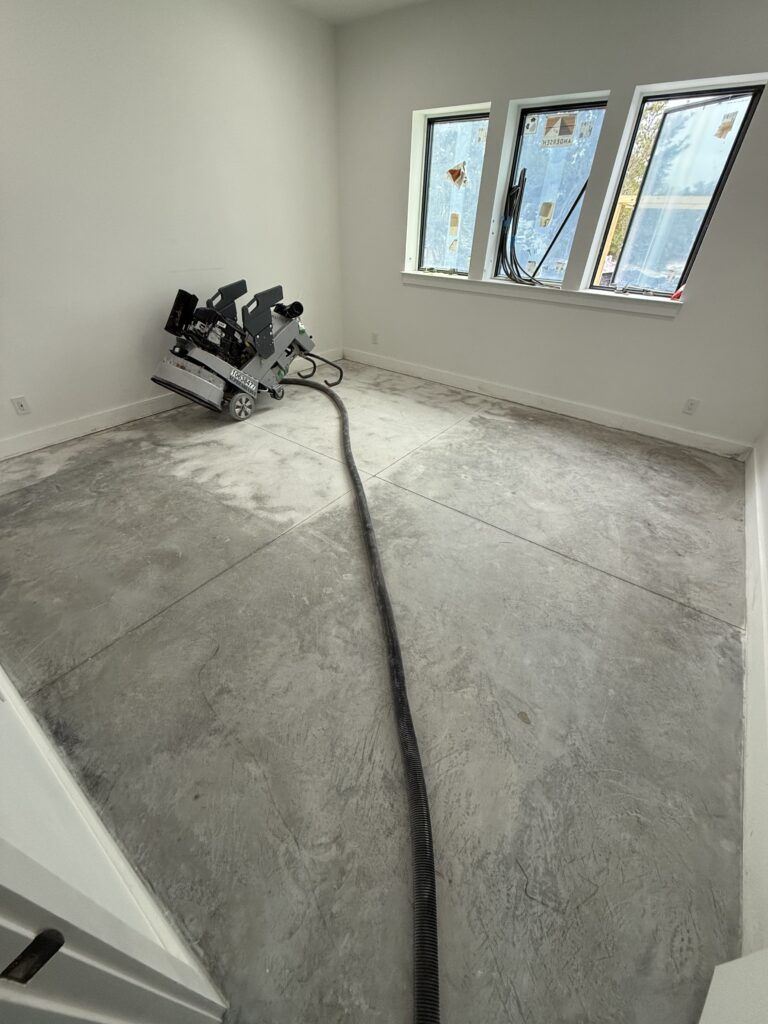
The type and extent of damage determine the appropriate repair method. Small cracks can often be filled with epoxy or polymer-based sealants. Chips and surface pitting may require patching compounds to restore a smooth finish. For larger areas of wear or deeper cracks, resurfacing may be the most effective solution, providing a fresh, uniform surface that extends the life of the concrete.
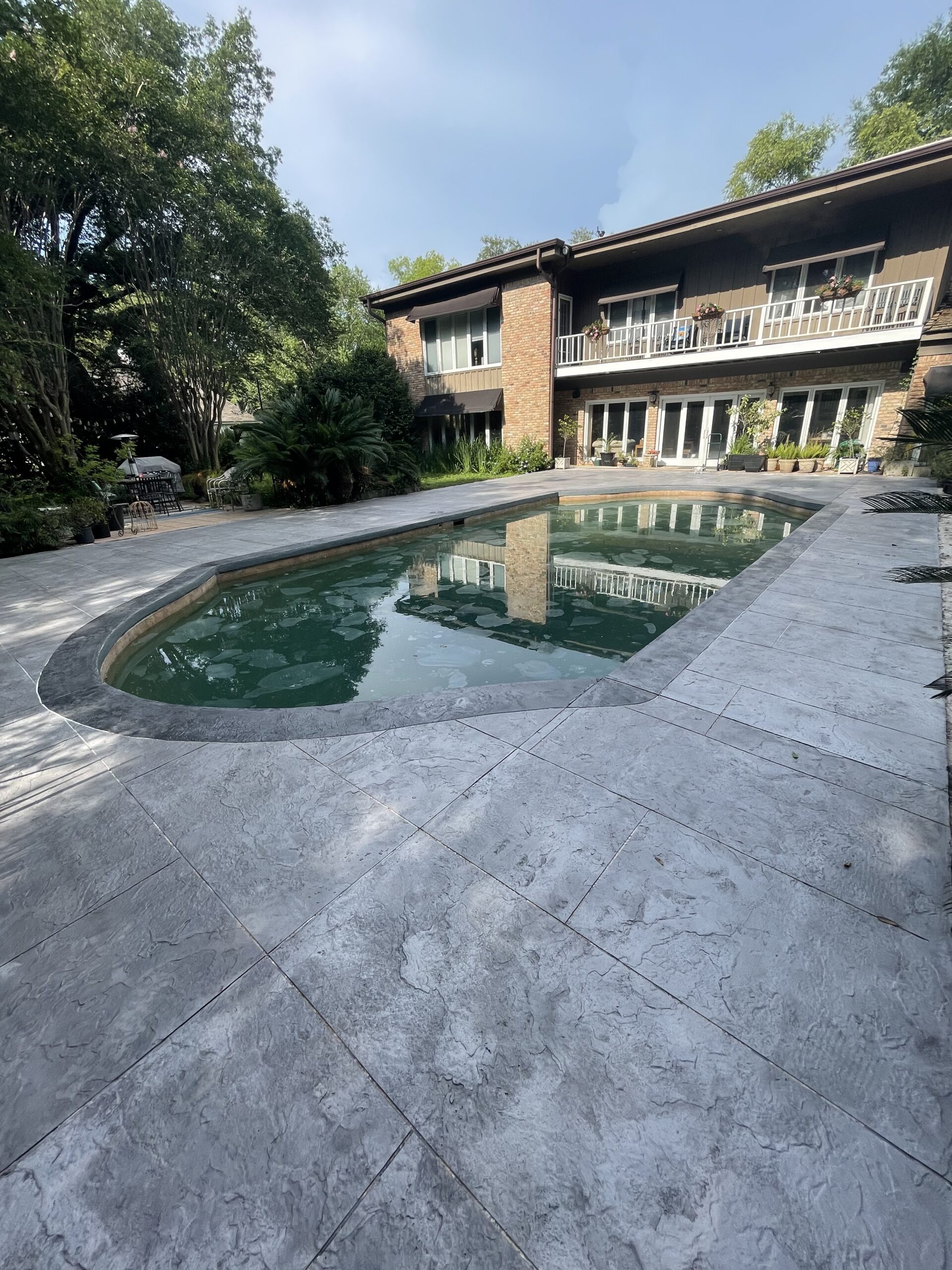
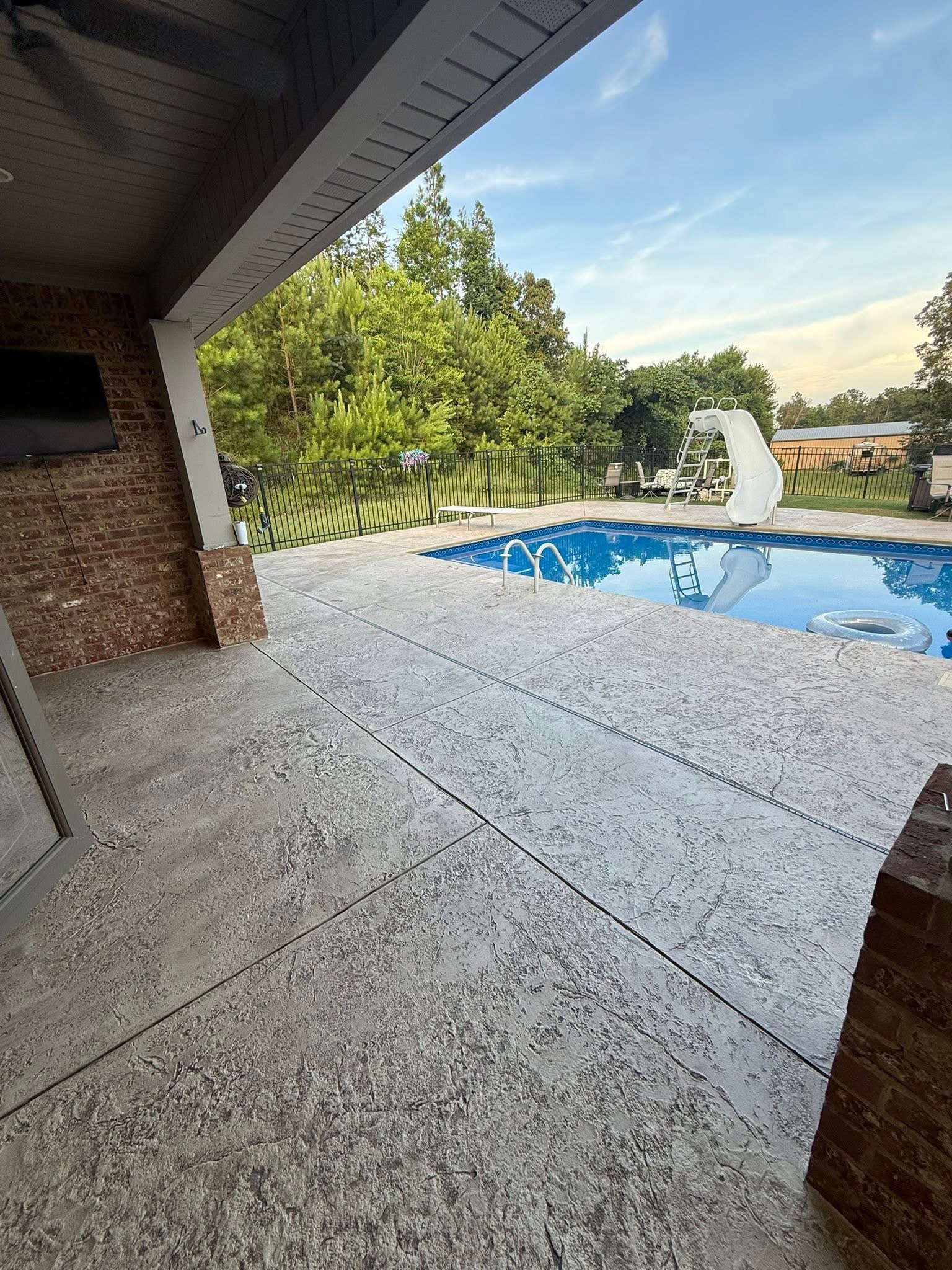
Decorative concrete repairs are also an opportunity to enhance aesthetics. Stamped, colored, or stained finishes can transform worn or damaged surfaces into striking focal points while maintaining durability. Professional assessment ensures that repairs are done correctly and will last for years to come.
Maintaining Concrete After Repairs
After repairs, proper maintenance is crucial to prolong the life of your concrete surfaces. Regular cleaning removes dirt, debris, and chemicals that can cause staining or surface erosion. Applying sealers helps protect against moisture penetration, UV damage, and wear from foot or vehicle traffic.
Routine inspections can catch minor issues before they escalate. By staying proactive, homeowners can prevent small imperfections from turning into major repairs, preserving both safety and visual appeal.
Conclusion
Cracks, chips, and general wear are inevitable for concrete surfaces, but early attention and professional repairs make all the difference. Timely intervention preserves the integrity, safety, and beauty of driveways, patios, and walkways while saving money in the long run.
Understanding the signs of concrete damage and acting before it becomes severe ensures that your surfaces remain strong, durable, and visually appealing for years to come. Concrete is built to last, but like any investment, it requires care, attention, and the right repairs at the right time.