Concrete is one of the most durable and versatile building materials, but even the strongest concrete surfaces can show signs of wear over time. Cracks, discoloration, and surface damage are common challenges for driveways, patios, walkways, and commercial floors. While full concrete replacement is an option, it can be costly, time-consuming, and disruptive. Concrete resurfacing offers an effective alternative, allowing property owners to restore and enhance existing surfaces without the need for a complete overhaul.
What is Concrete Resurfacing?
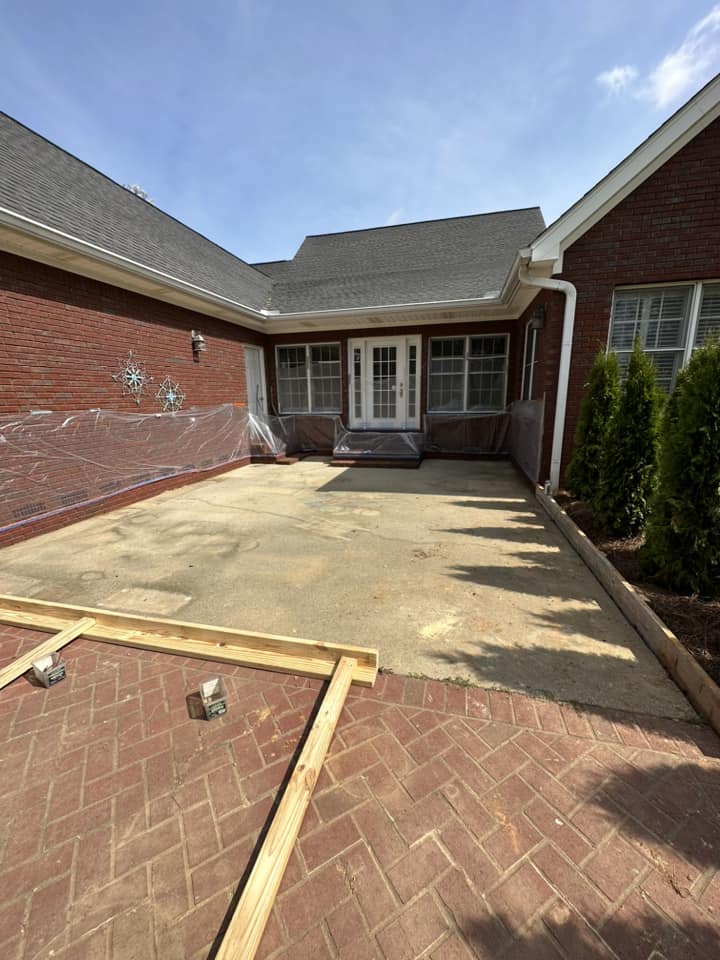
Concrete resurfacing involves applying a thin layer of specialized overlay material to an existing concrete surface. This layer can fill minor cracks, smooth out imperfections, and provide a fresh, attractive finish. Unlike replacement, resurfacing preserves the underlying structure, reducing labor and material costs while delivering a visually appealing result.
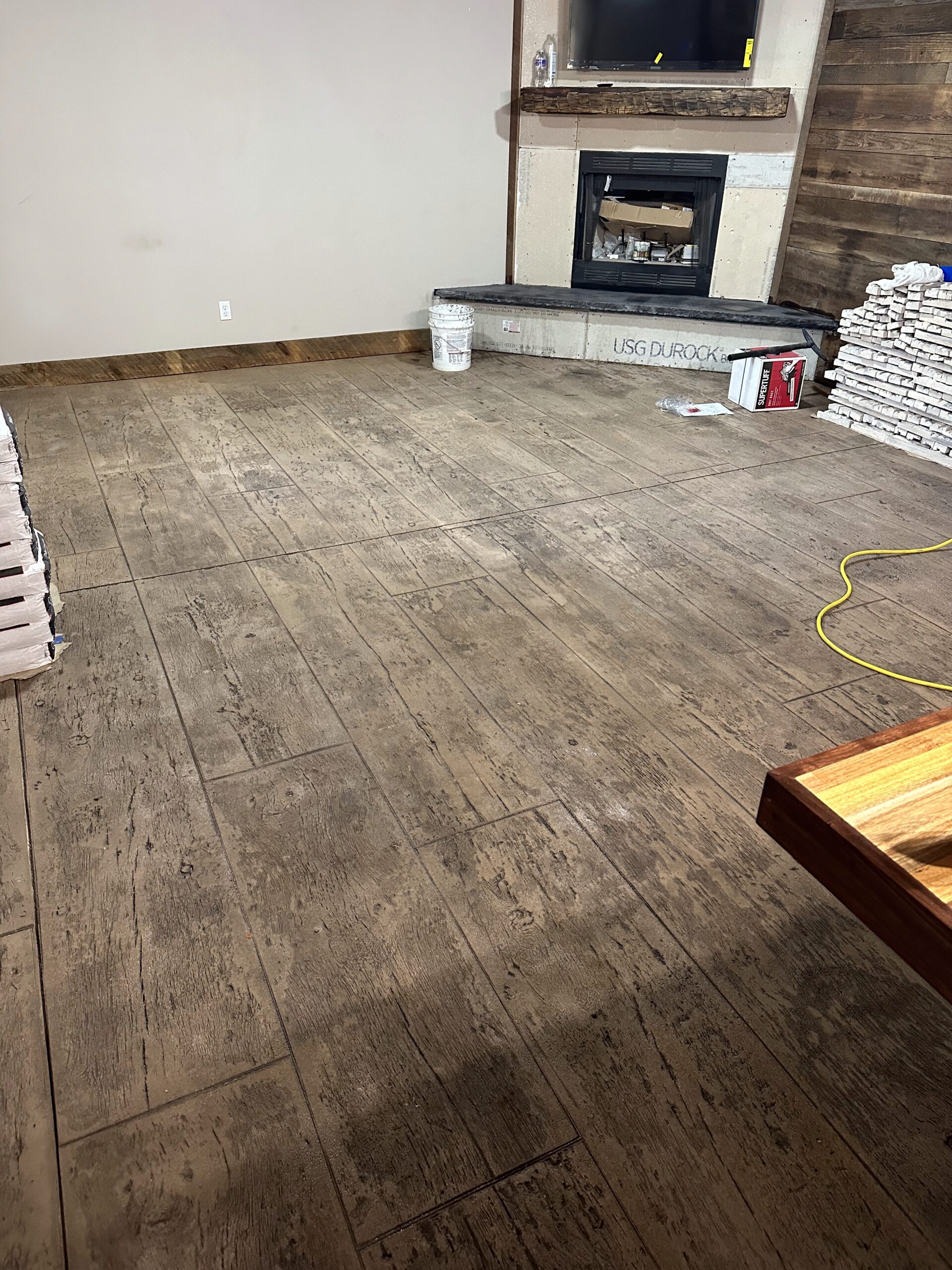
Resurfacing materials are designed to bond strongly with existing concrete, creating a durable surface that can withstand regular use and weather exposure. Modern overlays also allow for decorative techniques, such as stamping, staining, or coloring, making it possible to transform a worn surface into a stylish focal point.
Benefits of Concrete Resurfacing
One of the primary benefits of concrete resurfacing is cost efficiency. Replacing a concrete slab requires demolition, disposal, and installation of new material, all of which add time and expense. Resurfacing eliminates much of this work while still delivering a renewed surface that looks and performs like new.
Resurfacing also minimizes disruption. Homeowners and businesses can continue using nearby areas with minimal inconvenience, unlike full replacement, which often requires extended downtime. This is especially important for driveways, walkways, and commercial spaces where accessibility is critical.
Durability is another key advantage. High-quality resurfacing materials are engineered to resist cracking, chipping, and wear. When properly installed and sealed, resurfaced concrete can last for many years, providing both beauty and long-term performance.
Decorative Options for Resurfaced Concrete
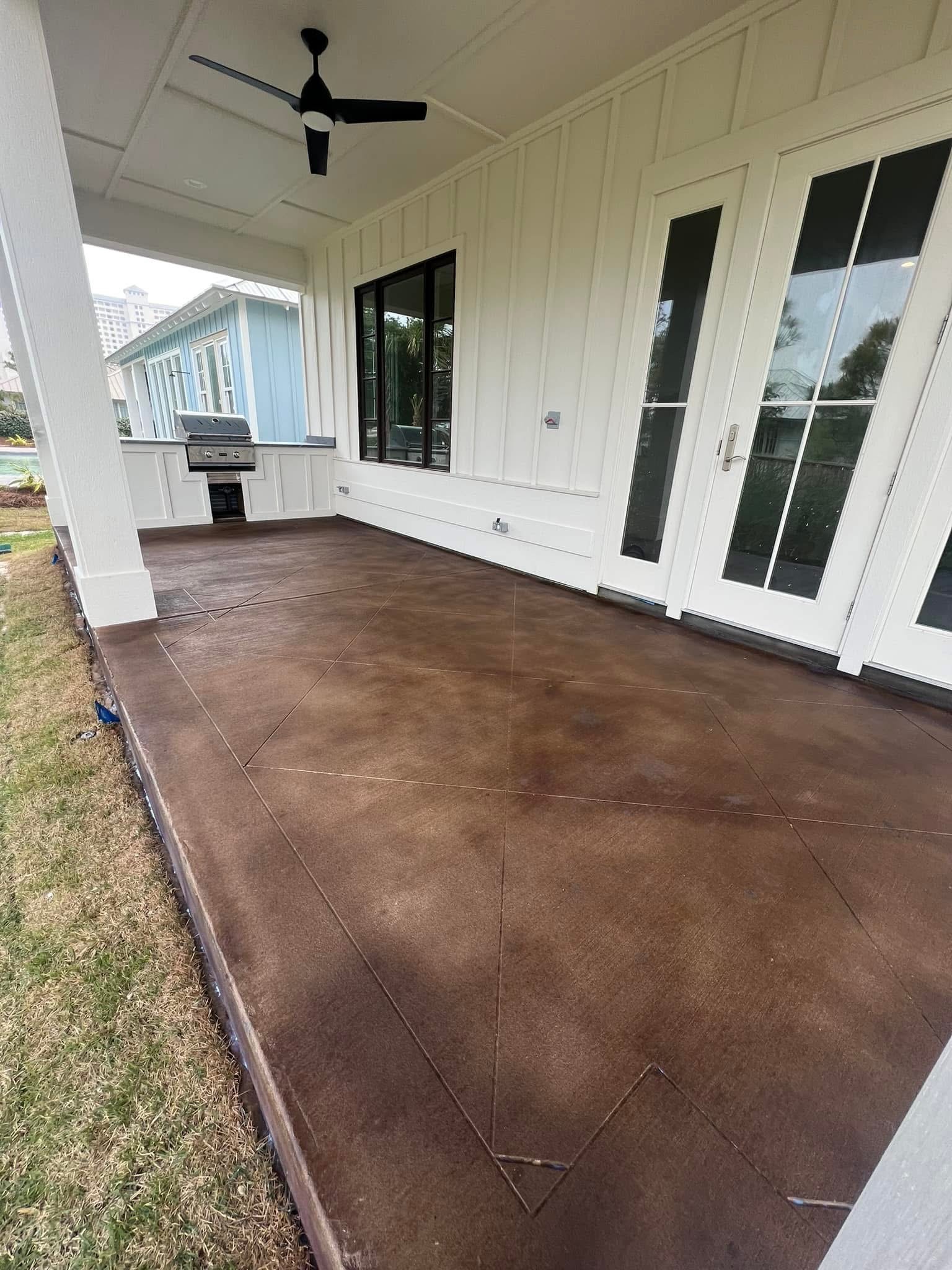
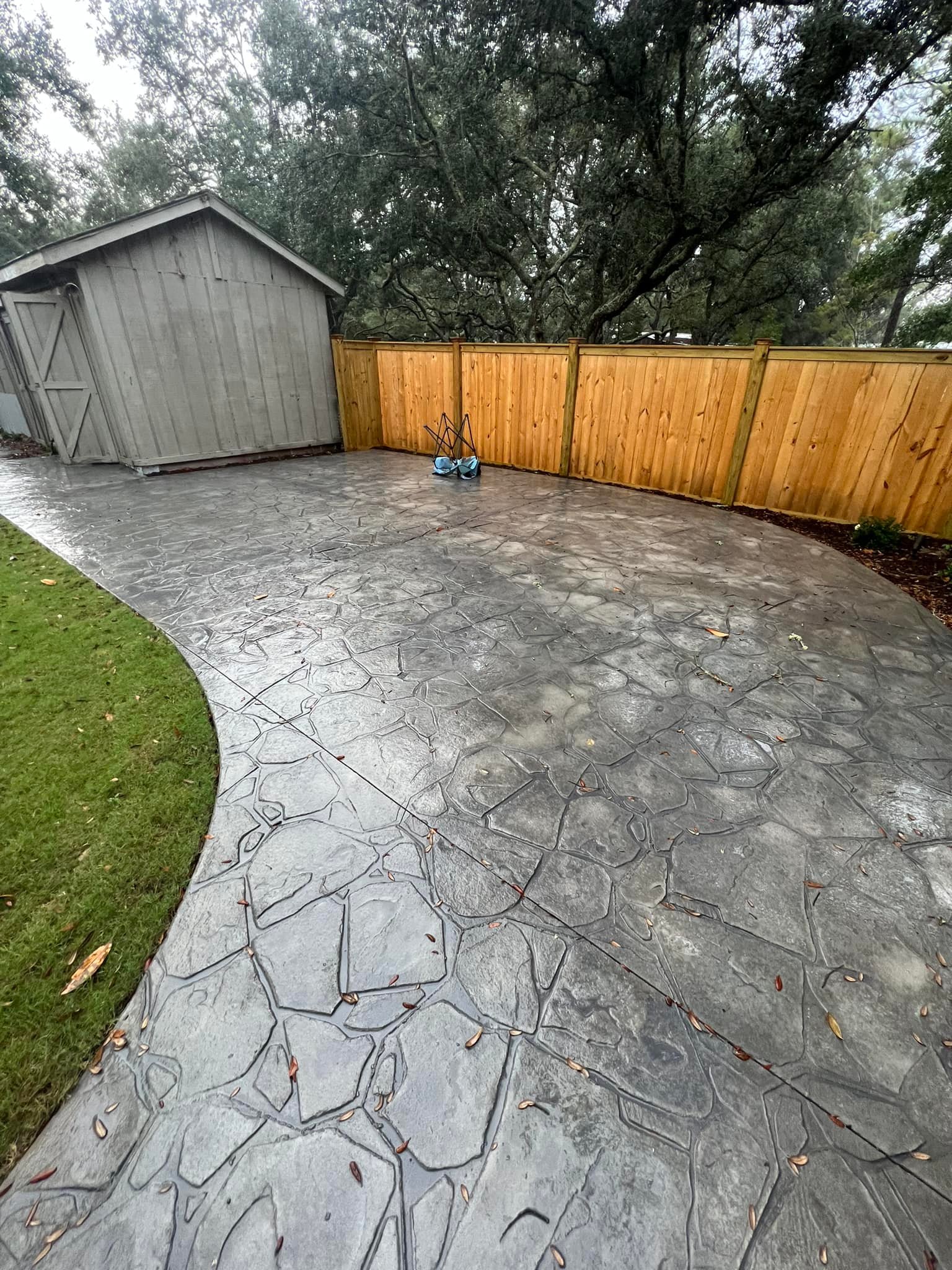
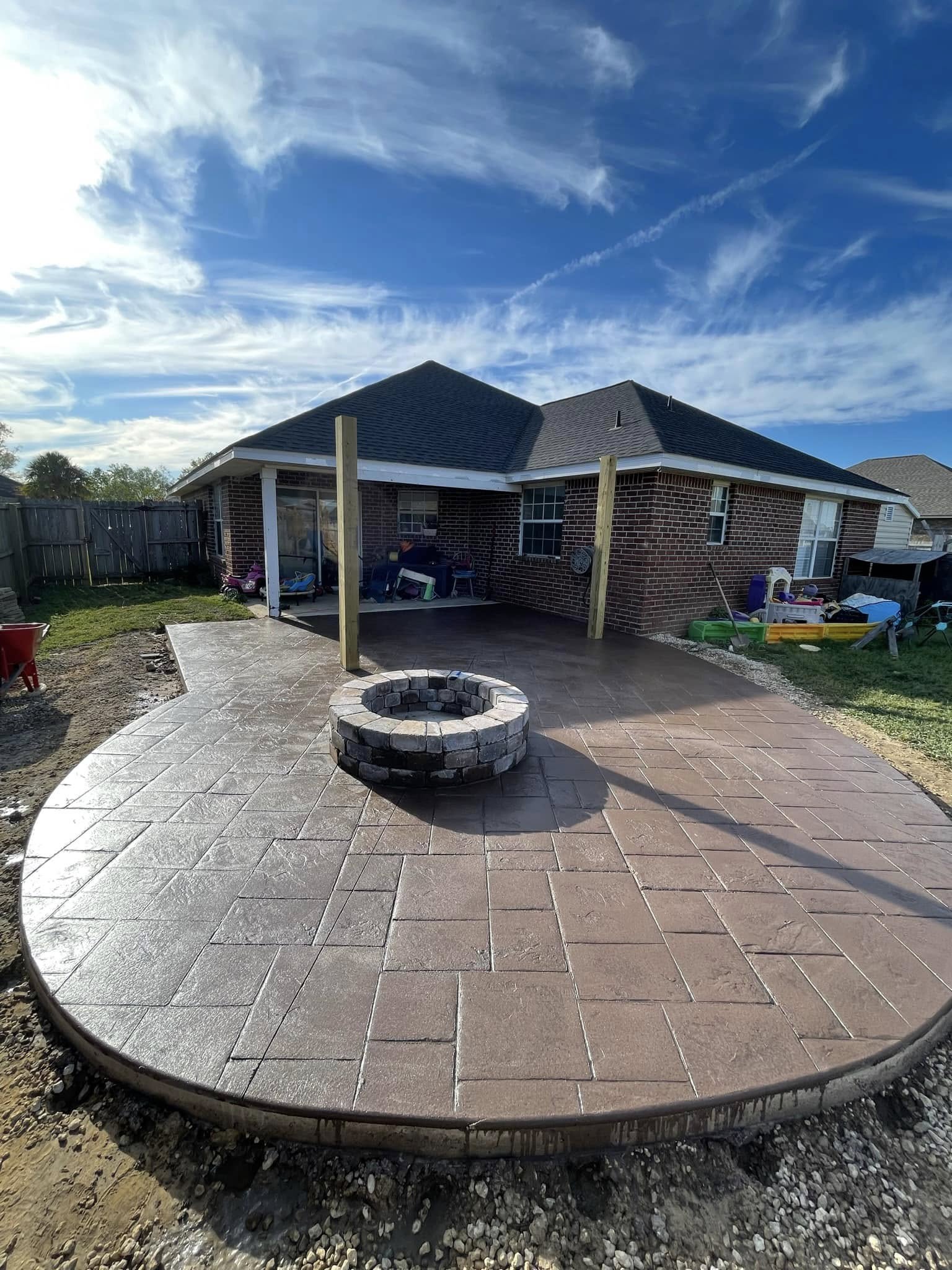
Concrete resurfacing isn’t just about repair—it’s also an opportunity for design. Stamped overlays can mimic the appearance of stone, brick, or tile, while colored or stained overlays add depth and personality to a surface. Homeowners can choose from subtle, natural tones for a clean look or bold colors and patterns to make a statement.
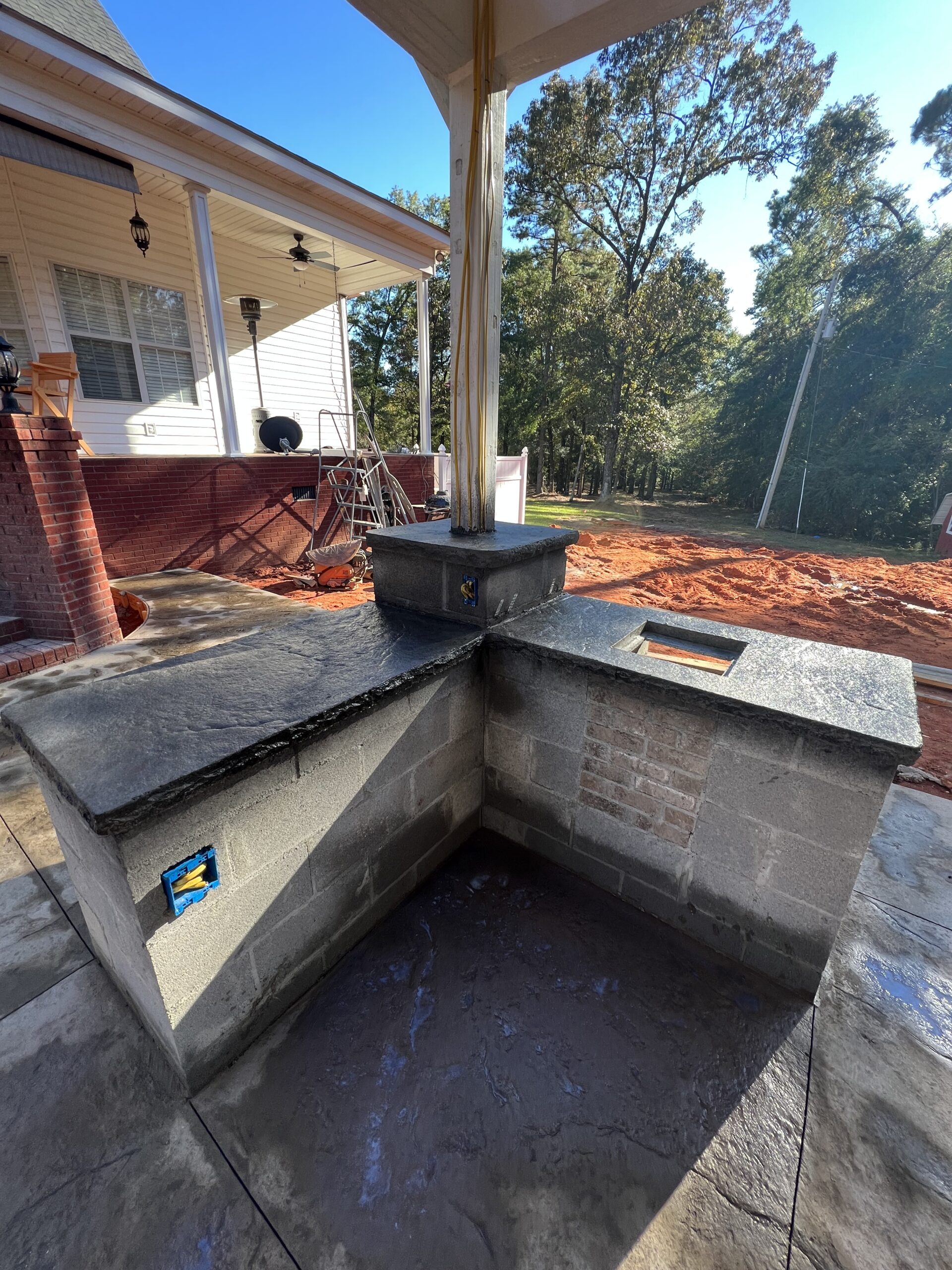
For patios, pool decks, and outdoor entertaining areas, decorative resurfacing can enhance both style and functionality. Textured finishes provide slip resistance, while color and pattern coordination can complement landscaping and architectural features. In commercial spaces, decorative overlays can reinforce branding, improve aesthetics, and create a professional, polished appearance.
When Resurfacing is the Right Choice
Concrete resurfacing is ideal for surfaces that have minor damage, discoloration, or surface wear. Hairline cracks, spalling, and faded coloring can all be addressed with a resurfacing overlay. However, it’s important to assess the underlying concrete before proceeding. Surfaces with severe structural damage or significant settling may require replacement rather than resurfacing.
An experienced contractor can evaluate the condition of existing concrete, recommend appropriate overlay materials, and ensure proper preparation and application. Proper installation is critical to achieving a long-lasting, visually appealing result.
Maintenance and Longevity
Resurfaced concrete is relatively low maintenance. Routine cleaning with a broom or hose keeps the surface free of dirt and debris, and occasional washing with mild soap helps maintain appearance. Applying a quality sealant enhances durability, protects against moisture, and preserves color, particularly for decorative overlays.
With proper care, resurfaced concrete can provide years of reliable performance, allowing property owners to enjoy a refreshed, functional surface without the cost and disruption of full replacement.
Environmental and Sustainability Considerations
Resurfacing existing concrete is also an environmentally friendly option. By reusing the existing slab, property owners reduce construction waste and limit the demand for new materials. Decorative overlays can also incorporate eco-conscious materials, making resurfacing a sustainable choice that balances performance, aesthetics, and environmental responsibility.
Conclusion
Concrete resurfacing offers a practical and versatile solution for revitalizing worn or damaged surfaces. By applying a high-quality overlay, property owners can repair cracks, restore appearance, and enhance durability without the expense and disruption of full replacement. With decorative options like stamping, staining, and coloring, resurfacing also provides an opportunity to elevate the style and functionality of patios, driveways, walkways, and commercial floors.
For those looking to extend the life of existing concrete while adding beauty and long-term value, resurfacing is a smart, cost-effective, and environmentally responsible choice. Whether for residential or commercial applications, this technique transforms old concrete into a renewed, high-performing surface that can be enjoyed for years to come.