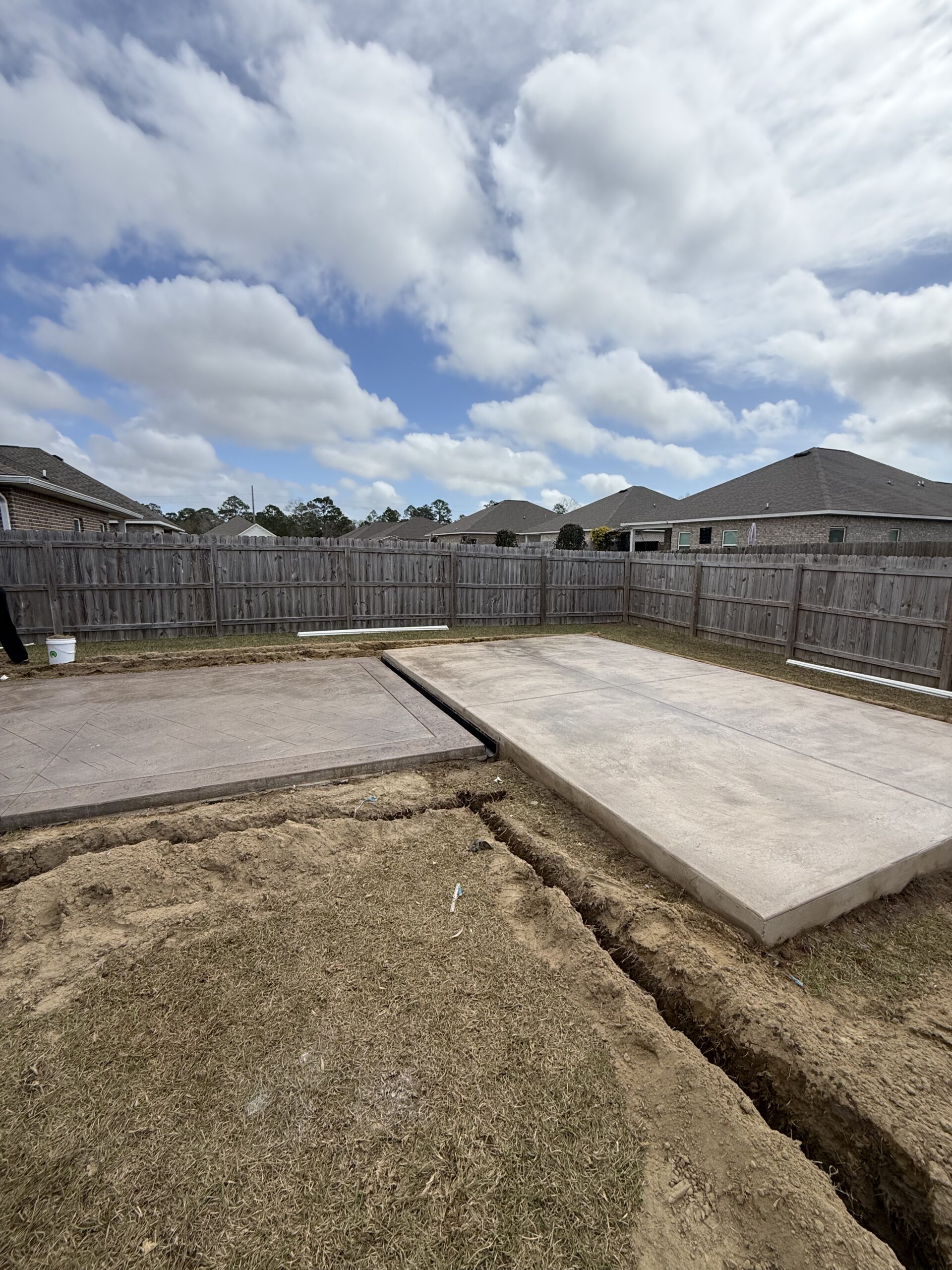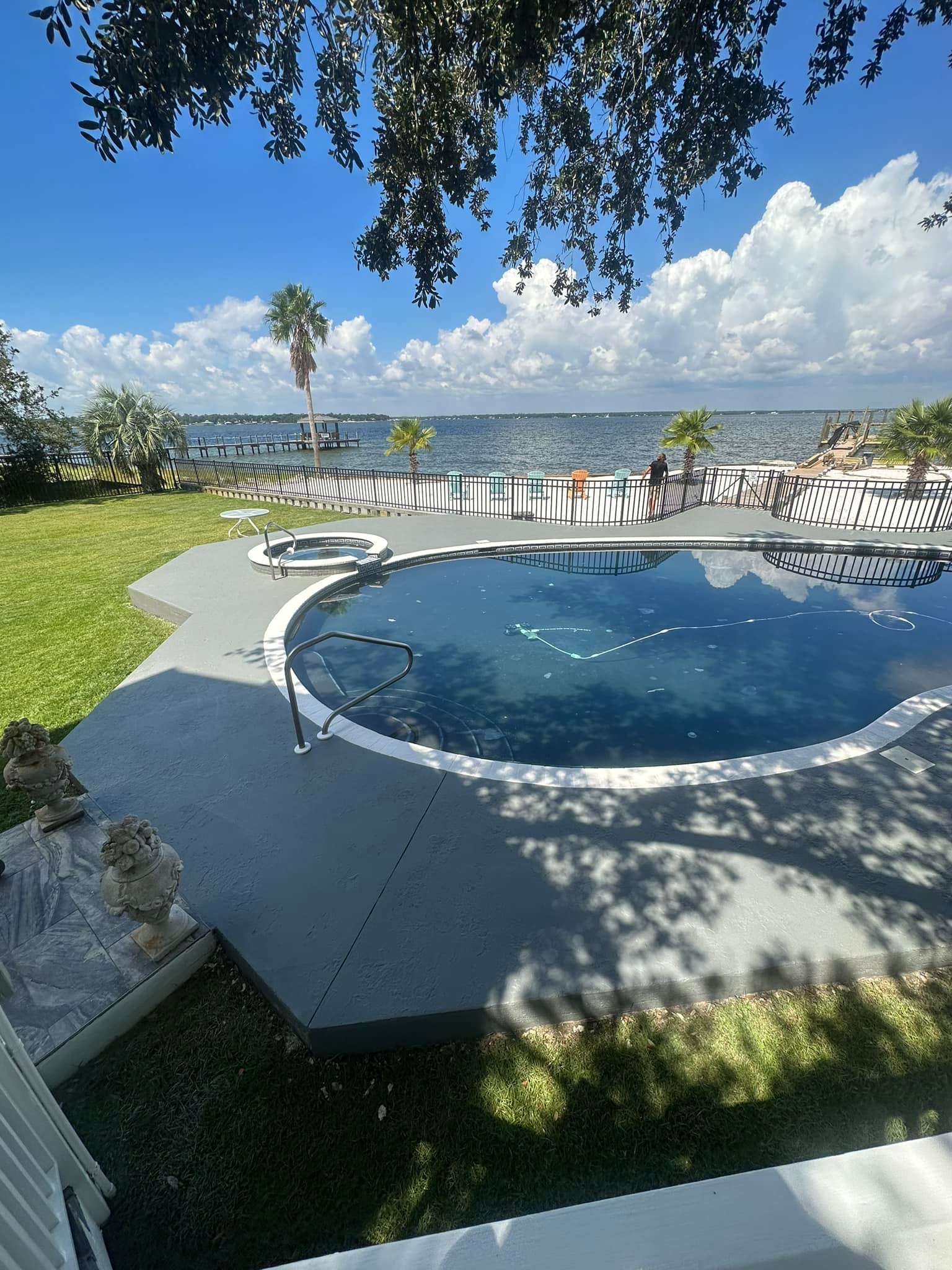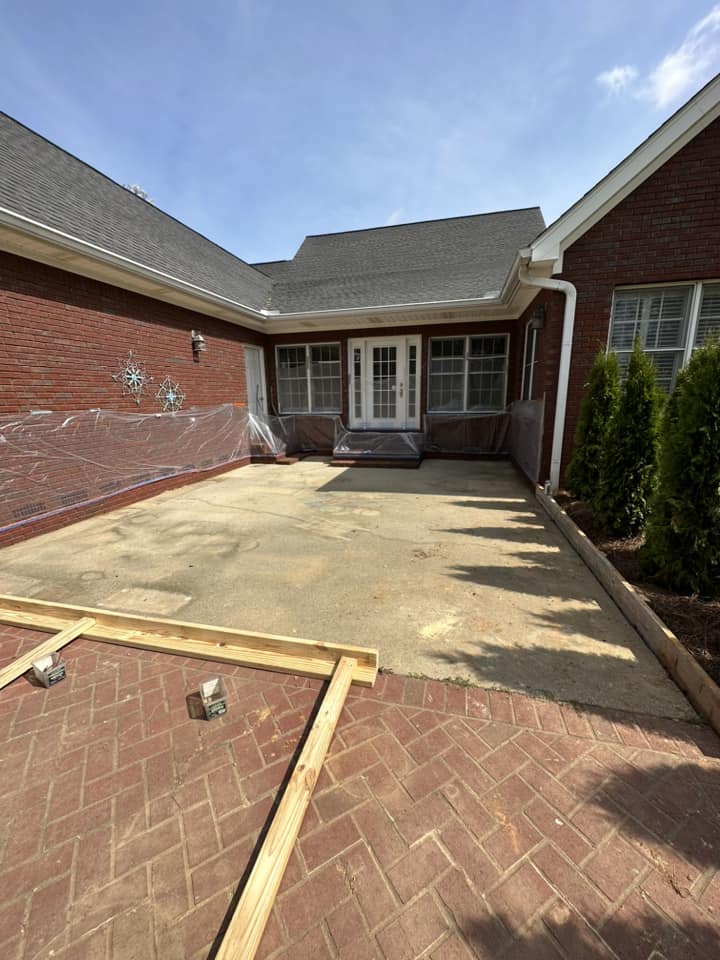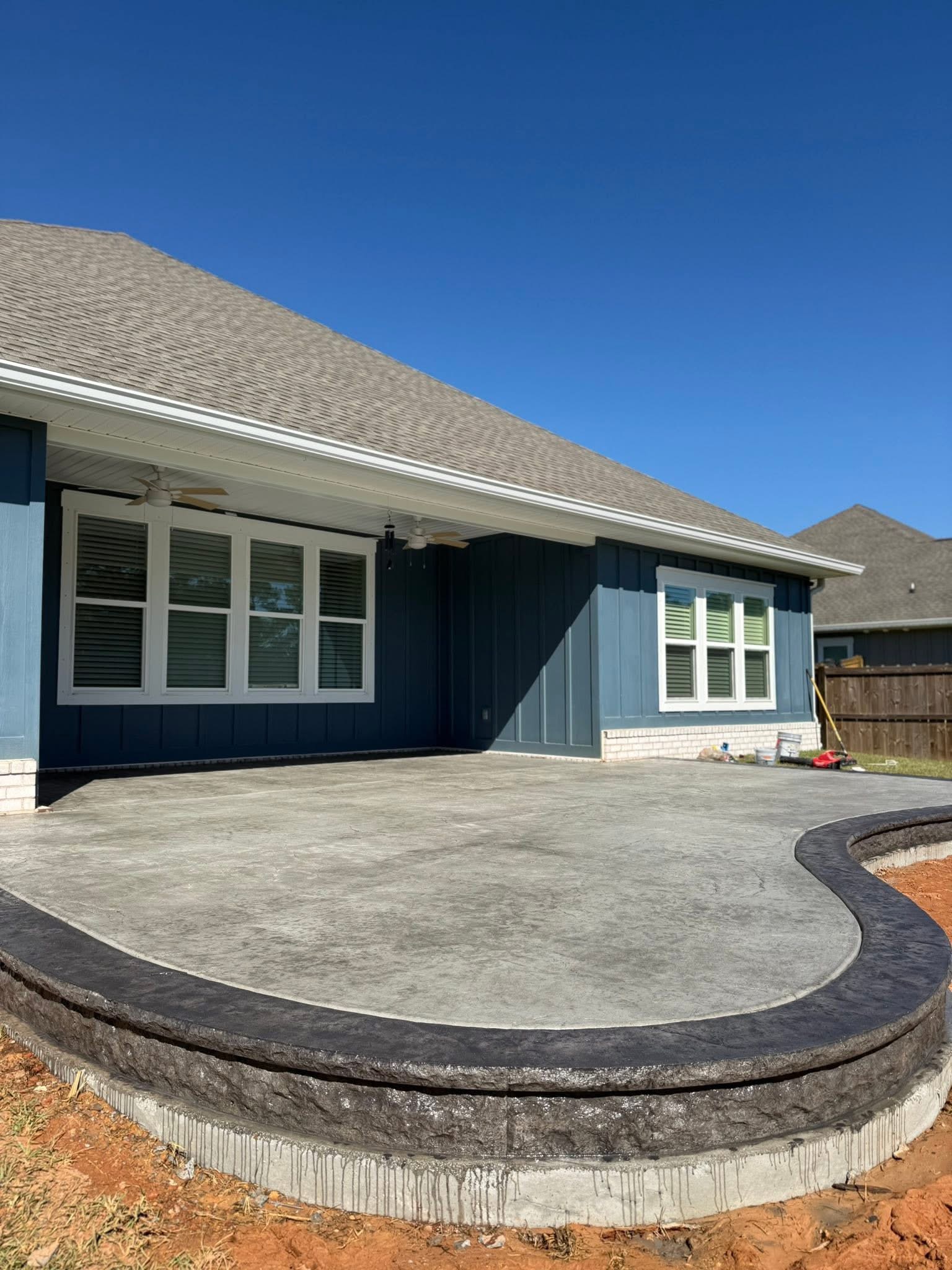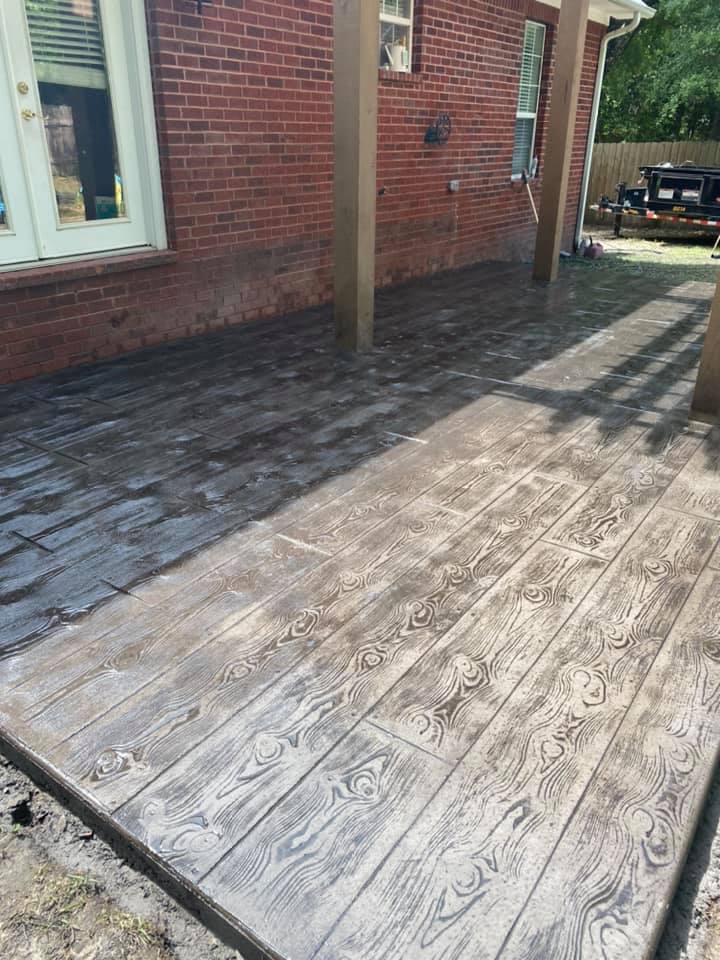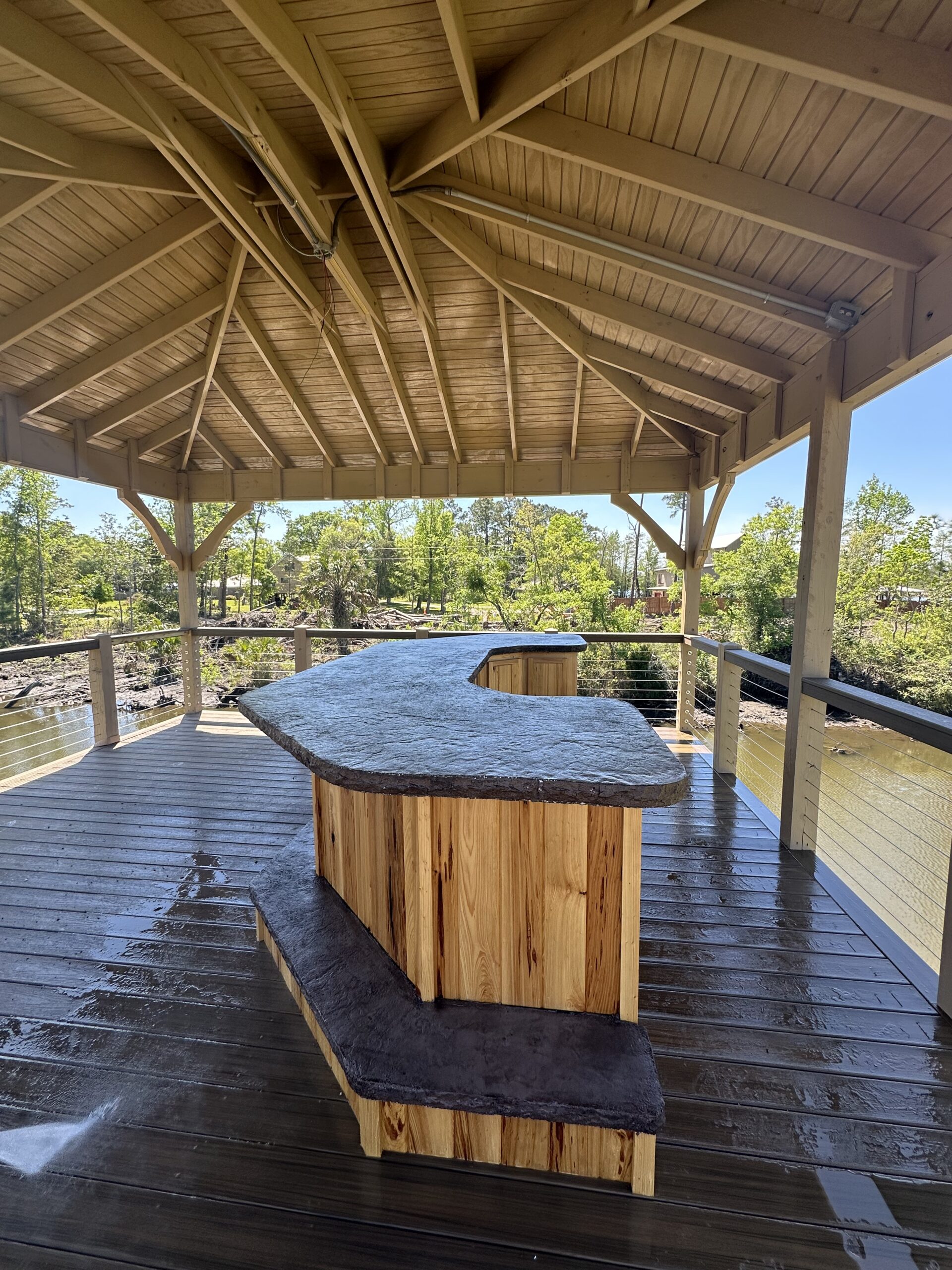
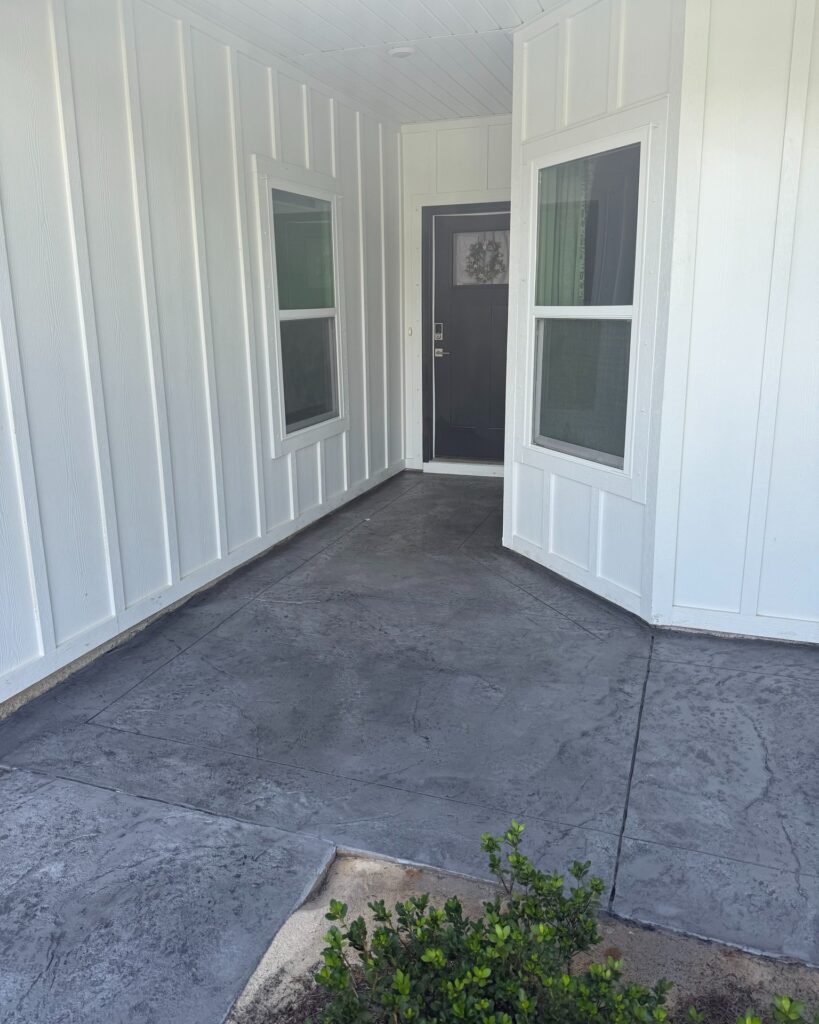
Concrete is one of the most reliable and widely used materials in both residential and commercial construction, and for good reason. It offers strength, versatility, and long-term durability that few other materials can match. Whether it’s a driveway that handles daily vehicle traffic, a patio designed for entertaining, or a pool deck exposed to constant moisture, concrete plays a major role in both the function and appearance of a property. However, while concrete is built to last, it is not maintenance-free. Over time, exposure to the elements, heavy use, and natural settling can lead to cracks, discoloration, and surface wear.
Understanding how to properly care for your concrete surfaces is the key to preserving their appearance, preventing costly repairs, and maximizing their lifespan. With the right approach, your driveway or patio can remain strong, safe, and visually appealing for decades.
Why Ongoing Concrete Maintenance Matters
It’s easy to assume that once concrete is poured and cured, the job is done. In reality, that’s just the beginning of its lifecycle. Concrete is a porous material, which means it naturally absorbs water, dirt, oils, and other contaminants. Over time, these elements begin to break down the surface from within, especially if left untreated.
Small imperfections like hairline cracks or minor surface wear may not seem like a big deal at first, but they rarely stay small. Water can seep into these areas, and when temperatures fluctuate, especially during freeze-thaw cycles, that moisture expands and contracts. This process gradually worsens the damage, turning minor issues into major structural concerns.
Consistent maintenance helps prevent this chain reaction. By staying ahead of potential problems, property owners can avoid expensive repairs, extend the life of their concrete, and maintain a clean, polished look that enhances overall curb appeal.
Keeping Concrete Clean and Looking Its Best
One of the simplest yet most overlooked aspects of concrete maintenance is routine cleaning. Over time, driveways and patios collect dirt, leaves, grease, tire marks, and organic debris. Not only does this affect the appearance, but it also creates an environment where mold, mildew, and stains can develop.
Regular cleaning helps protect the surface while also keeping it safe to use. A buildup of grime or algae can create slippery conditions, especially in shaded or damp areas. Power washing is one of the most effective ways to restore concrete to its original look. It removes deep-seated dirt and prevents long-term staining that can permanently alter the surface.
For tougher stains, such as oil or rust, a more targeted approach may be necessary. Using a mild detergent along with a stiff brush can help lift these blemishes without damaging the concrete. The goal is not just to make the surface look better, but to prevent contaminants from penetrating deeper and causing long-term deterioration.
Sealing: The First Line of Defense
If there is one step that significantly extends the life of concrete, it is sealing. A high-quality sealer acts as a protective barrier, preventing water, chemicals, and stains from penetrating the surface. Without this layer of protection, concrete is far more vulnerable to damage over time.
Sealing also enhances the appearance of concrete, often giving it a richer color and a more finished look. Some sealers provide a natural matte finish, while others add a subtle sheen that can elevate the overall aesthetic of a driveway or patio.
The timing of resealing depends on several factors, including traffic levels and exposure to the elements. In most cases, resealing every couple of years is sufficient to maintain protection. However, areas that experience heavy use or constant moisture, such as pool decks, may require more frequent attention.
By investing in regular sealing, property owners create a barrier that significantly reduces wear and tear, helping concrete maintain both its strength and visual appeal.
Addressing Cracks Before They Become a Bigger Problem
Cracks are one of the most common issues with concrete, and while they may seem unavoidable, how they are handled makes all the difference. Small cracks can form due to natural settling, temperature changes, or minor stress. On their own, these may not pose an immediate threat, but they open the door for water intrusion and further damage.
The key is to address these imperfections early. Filling cracks with the appropriate materials prevents moisture from getting inside and weakening the structure. In cases where surface damage such as flaking or scaling begins to appear, resurfacing can restore the look and integrity of the concrete without requiring a full replacement.
Professional repair services, like those offered by ProCon, go a step further by evaluating the root cause of the damage. Instead of just treating the surface, they ensure the underlying issue is addressed, providing a longer-lasting solution that protects your investment.
Managing Weight and Usage Over Time
Concrete is incredibly strong, but it does have limits. Driveways and patios are designed to handle typical residential use, but excessive weight or improper use can lead to premature wear. Heavy vehicles, construction equipment, or even consistently placing large loads in the same area can create stress points that eventually lead to cracking or sinking.
Being mindful of how your concrete is used can go a long way in preserving its lifespan. Spreading out heavy loads and avoiding repeated stress in one area helps maintain the structural integrity of the surface. For new installations, proper reinforcement during the construction phase adds another layer of durability, ensuring the concrete can withstand everyday demands without issue.
Weather and Environmental Impact on Concrete
Environmental factors play a major role in how concrete ages. Sun exposure, heavy rain, humidity, and temperature swings all contribute to wear over time. In coastal areas, like along the Gulf Coast, salt air and high moisture levels can accelerate the breakdown of unprotected concrete.
One of the most damaging processes is the freeze-thaw cycle. When water enters small cracks and freezes, it expands, causing the cracks to widen. As this process repeats, the damage becomes more severe. Even in warmer climates, sudden temperature changes can still affect the integrity of the surface.
Proper drainage is essential in minimizing these risks. Ensuring that water flows away from driveways and patios prevents pooling, which can lead to erosion and long-term weakening. Avoiding harsh chemicals, especially deicers, also helps preserve the surface and prevent unnecessary damage.
The Role of Expansion Joints in Longevity
Concrete naturally expands and contracts with temperature changes. Without room to move, it will crack under pressure. That’s where expansion joints come in. These joints are intentionally placed to allow movement, helping to control where cracks occur and preventing random damage across the surface.
Over time, these joints can wear down or become filled with debris, reducing their effectiveness. Keeping them clean and properly maintained ensures they continue to do their job. When necessary, replacing joint material helps maintain flexibility and protects the surrounding concrete from unnecessary stress.
How Landscaping Choices Affect Concrete Health
Many property owners don’t realize that their landscaping can directly impact the condition of their concrete. Trees and shrubs planted too close to driveways or patios can cause root systems to grow underneath the surface. As roots expand, they can lift and crack the concrete, leading to uneven areas and costly repairs.
Proper planning and placement of landscaping elements can prevent these issues. Maintaining a safe distance between plants and concrete surfaces reduces the risk of root intrusion. Additionally, ensuring proper grading helps prevent water from collecting near the edges, which can weaken the foundation over time.
Even simple choices, like keeping mulch and soil from building up against concrete edges, can make a noticeable difference in long-term durability.
The Value of Professional Concrete Maintenance
While there are many steps property owners can take on their own, professional maintenance provides a level of expertise that goes beyond basic care. Contractors like ProCon have the tools, experience, and knowledge to identify early warning signs that may not be immediately visible.
From professional cleaning and sealing to crack repair and resurfacing, these services are designed to extend the life of your concrete while improving its appearance. More importantly, professional maintenance ensures that repairs are done correctly the first time, reducing the risk of recurring issues.
Investing in expert care not only protects your concrete but also saves money in the long run by preventing the need for full replacements.
Long-Term Benefits of Proper Concrete Care
When properly maintained, concrete surfaces can last for decades without losing their functionality or appeal. A well-kept driveway or patio not only enhances the look of a property but also adds to its overall value. Clean, crack-free concrete creates a positive first impression and contributes to a safer, more enjoyable outdoor space.
Beyond aesthetics, maintenance plays a critical role in safety. Uneven surfaces, cracks, and slippery buildup can all create hazards if left unaddressed. Taking a proactive approach ensures that your concrete remains both attractive and safe for everyday use.
Investing in the Future of Your Property
Concrete maintenance is not just about fixing problems as they arise. It’s about taking a proactive approach to protect one of the most important structural and visual elements of your property. By combining regular cleaning, proper sealing, timely repairs, and professional support, property owners can significantly extend the life of their driveways and patios.
At the end of the day, concrete is built to last—but only when it’s properly cared for. With the right maintenance plan in place, you can enjoy strong, reliable, and visually appealing surfaces for years to come. Whether it’s a simple driveway or a fully customized patio space, protecting your concrete is an investment that pays off in both performance and peace of mind.