When it comes to commercial construction, choosing the right materials can make a significant difference in cost, durability, and long-term maintenance. Concrete has long been a preferred choice for businesses due to its strength, versatility, and cost-effectiveness. From office buildings and retail spaces to parking lots and industrial facilities, concrete offers benefits that few other materials can match. Understanding why concrete is a smart investment for commercial projects can help businesses make informed decisions that save money and time while ensuring longevity.
Durability That Stands the Test of Time
One of the primary reasons businesses choose concrete is its exceptional durability. Concrete can withstand heavy foot traffic, vehicles, machinery, and environmental stressors such as rain, snow, and extreme temperatures. Unlike asphalt or wood, concrete doesn’t warp, rot, or deteriorate quickly. This makes it ideal for high-traffic areas like parking lots, sidewalks, and warehouse floors, where durability is critical for safety and functionality.
Concrete’s long lifespan also means fewer replacements over time, which translates into significant cost savings. With proper installation and care, concrete surfaces can last decades without major repairs, making it a reliable and practical choice for commercial projects of all sizes.
Low Maintenance Requirements
Another advantage of concrete is its low maintenance. Unlike other materials that require frequent sealing, staining, or resurfacing, concrete generally only needs periodic cleaning and occasional sealing to maintain its appearance and integrity. This is especially valuable for businesses that want to minimize downtime and maintenance costs.
Concrete is resistant to stains, mold, and pests, which further reduces the need for intensive upkeep. For commercial properties, this means fewer interruptions to operations and a cleaner, safer environment for employees, customers, and visitors.
Cost-Effectiveness Over Time
While the initial installation cost of concrete can be higher than other materials, its longevity and low maintenance make it a cost-effective investment over the long term. Businesses save money by avoiding frequent repairs, replacements, and maintenance associated with other materials like asphalt or wood.
Additionally, concrete’s durability reduces the risk of structural damage to surrounding areas. For example, a concrete parking lot is less likely to develop potholes that can damage vehicles or create liability issues. This durability can translate into reduced insurance costs and fewer liability concerns, further increasing the material’s overall value.
Versatility for Commercial Applications
Concrete is not only durable and low-maintenance but also highly versatile. It can be used for a wide range of commercial applications, including:
-
Parking lots and driveways
-
Sidewalks and walkways
-
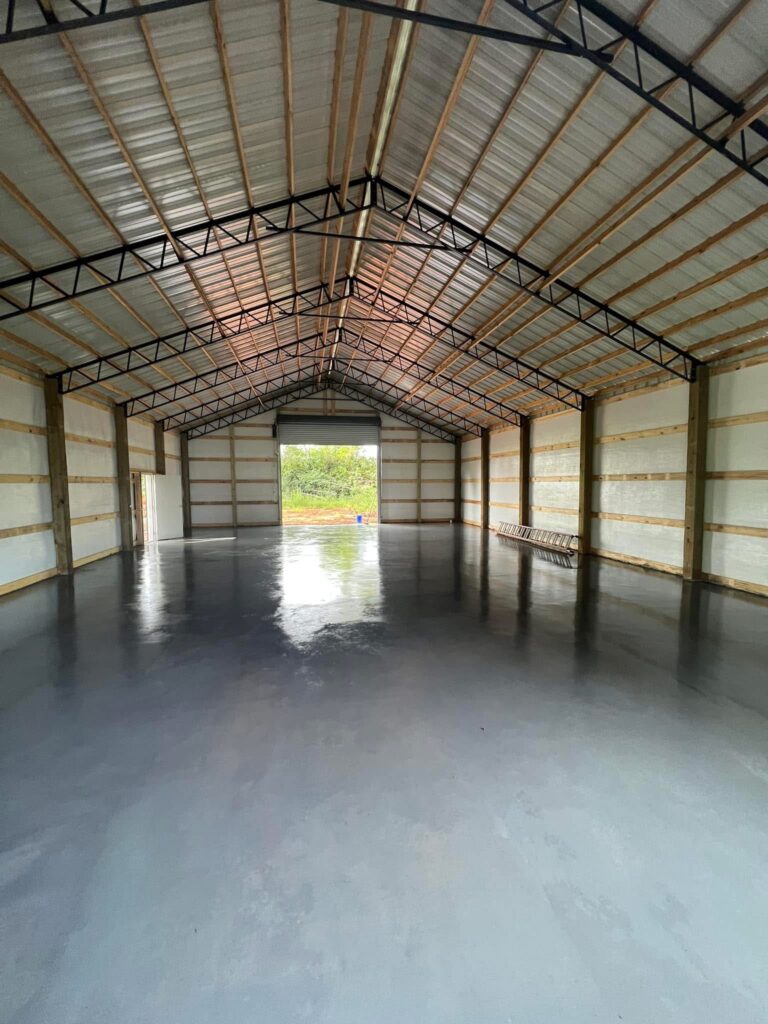
Warehouse and industrial floors
-
Outdoor patios and loading docks
-
Retaining walls and curbs
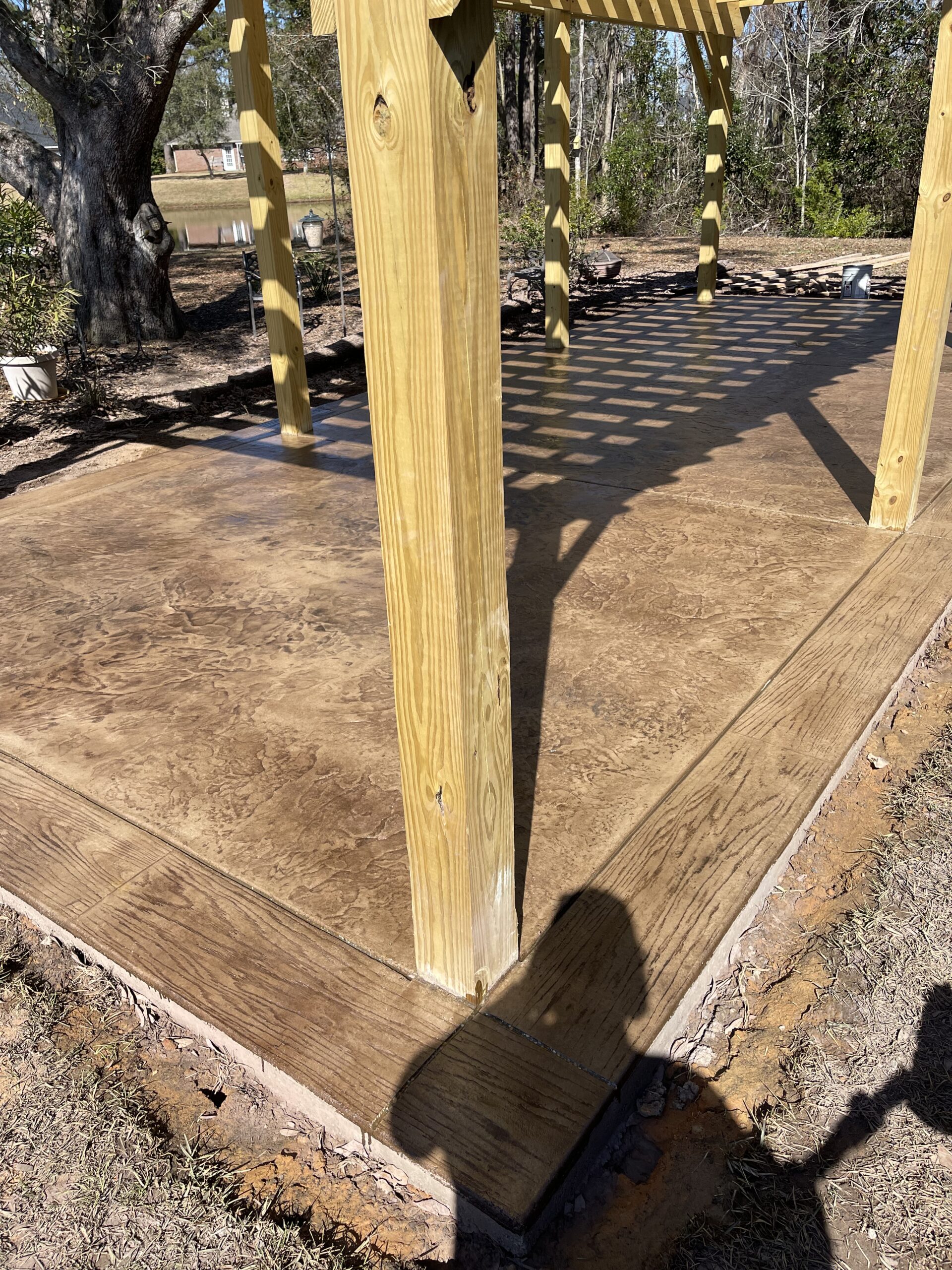
Modern techniques such as stamped, stained, or polished concrete also allow businesses to combine functionality with aesthetics. This versatility makes concrete an attractive option for companies looking to enhance the appearance of their property while ensuring long-term performance.
Environmental Benefits
Concrete is also an environmentally friendly choice for many commercial projects. It is energy-efficient, often incorporating recycled materials, and can contribute to sustainable building certifications. Its long lifespan reduces the need for frequent replacements, minimizing waste over time. Additionally, permeable concrete options help manage stormwater and reduce runoff, supporting eco-friendly site design.
Conclusion
For commercial projects, concrete provides unmatched durability, low maintenance, long-term cost savings, and versatility. From parking lots and sidewalks to industrial floors and outdoor features, concrete can meet the demands of high-traffic environments while maintaining its structural integrity and aesthetic appeal.
Choosing concrete is not just a practical decision—it’s an investment in the future of your commercial property. With its combination of strength, longevity, and low upkeep, concrete ensures businesses can focus on operations without worrying about frequent repairs or costly replacements.
For commercial construction that stands the test of time, concrete is the material that delivers both performance and value.