Concrete has long been one of the most widely used building materials in the world. From ancient civilizations to modern cities, it has been valued for its strength, versatility, and relative affordability. Yet, while concrete was once regarded purely as a functional, utilitarian material, today it has undergone a remarkable transformation. Decorative concrete now stands as a powerful design tool that shapes beautiful, durable, and sustainable spaces in both residential and commercial environments.
The Evolution of Decorative Concrete: From Practical to Artistic
The story of decorative concrete begins with the very invention of concrete itself. Early concrete-like materials date back thousands of years, with the Romans famously using volcanic ash mixed with lime to create concrete that has survived millennia. Their innovations allowed them to build architectural marvels such as the Pantheon and aqueducts. However, in those times, concrete served mostly structural roles—foundations, walls, and roads—rather than decorative purposes.
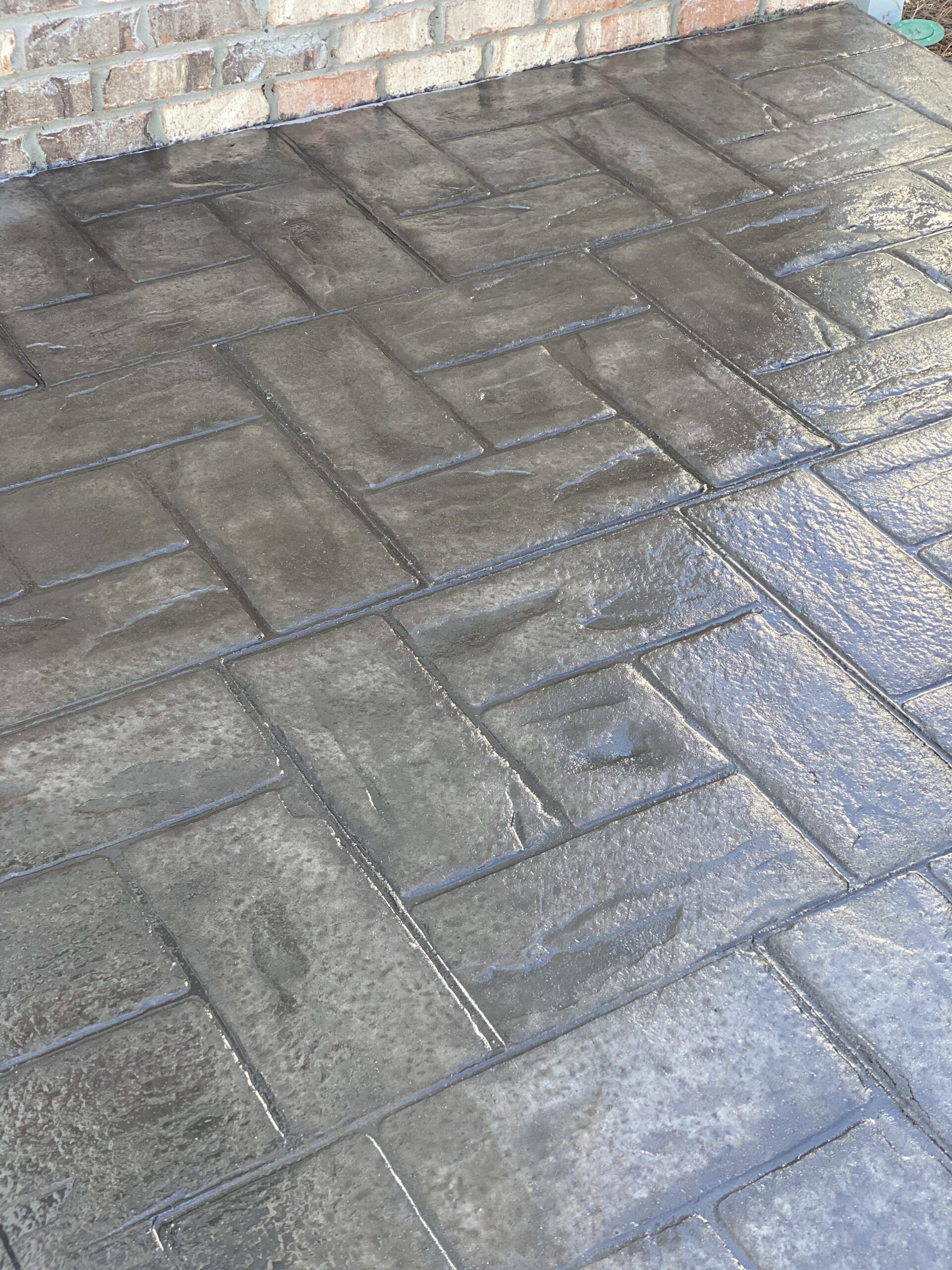
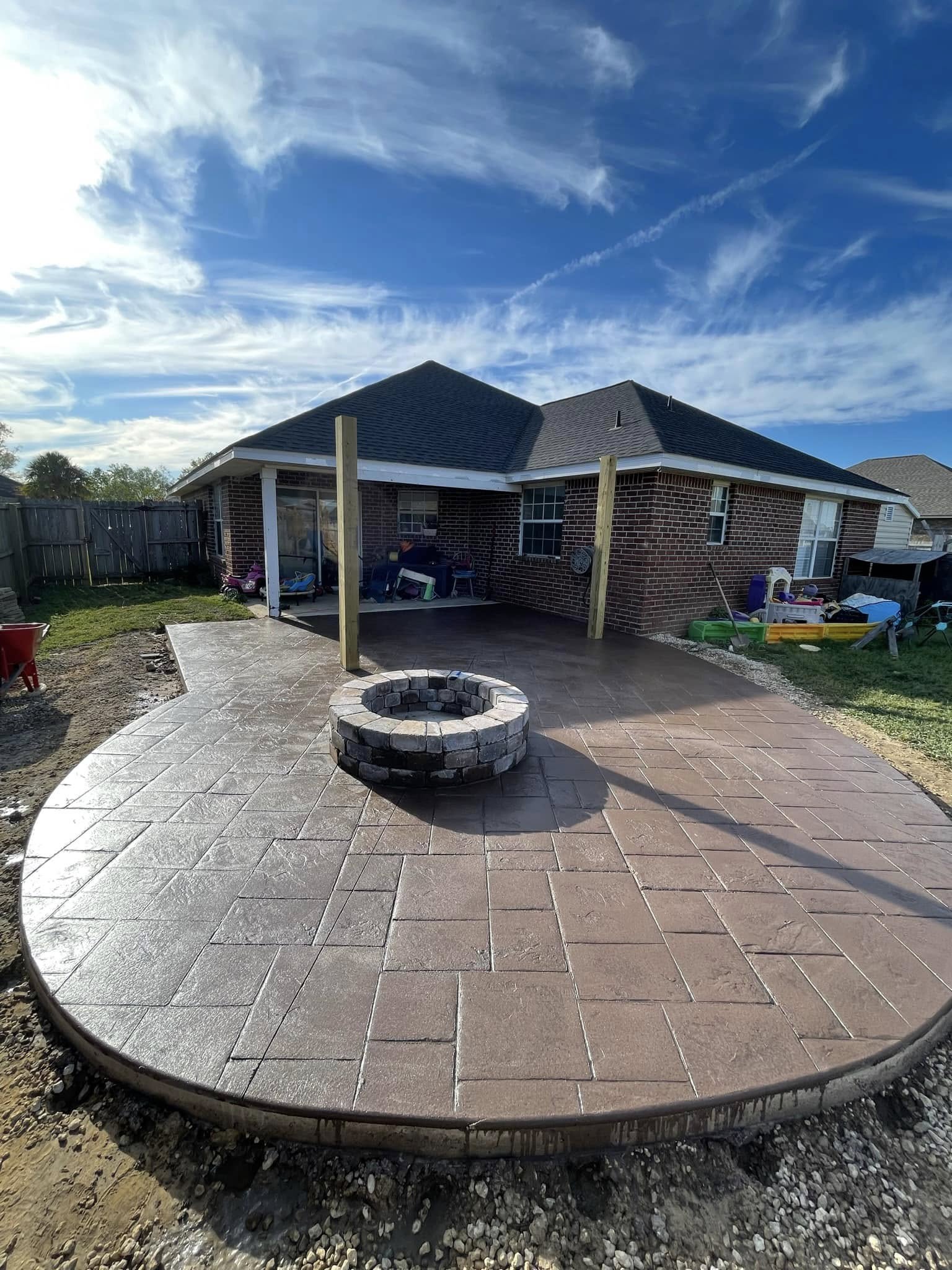
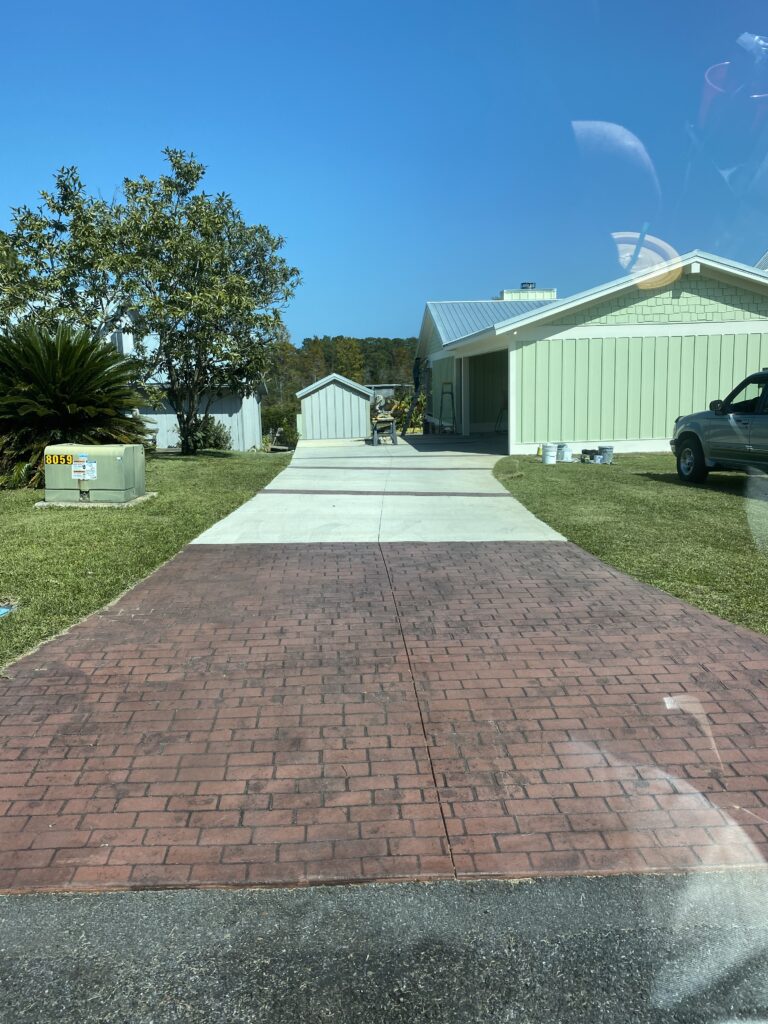
It wasn’t until the early 20th century that concrete began to be appreciated for its aesthetic potential. Architects and builders started experimenting with surface treatments to enhance the otherwise plain gray slabs. By the 1950s and 60s, stamped concrete emerged as an affordable way to emulate natural stone, brick, and wood. This method involved pressing molds with intricate patterns into freshly poured concrete, instantly transforming it into eye-catching surfaces with texture and detail. Stamped concrete quickly became a popular choice for patios, sidewalks, and driveways.
Technological advances in the following decades greatly expanded the possibilities of decorative concrete. The introduction of acid staining allowed concrete to be imbued with rich, translucent colors that created natural, variegated patterns reminiscent of marble or granite. Polishing concrete to a high gloss produced sleek, reflective floors favored in commercial buildings and modern homes. Thin overlays and microtoppings provided new ways to resurface existing slabs with creative textures and patterns, offering cost-effective renovation options.
Today, decorative concrete marries artistry and engineering. It is no longer just a background material but a defining feature of architectural and landscape design.
Why Decorative Concrete Matters in Today’s Built Environment
In the current era of design, decorative concrete holds an important role because it balances beauty, durability, and value. Property owners—whether homeowners or business managers—seek materials that not only perform well but also enhance the experience and impression of a space.
For residential clients, decorative concrete offers the opportunity to create customized outdoor living areas that reflect personal style while withstanding the elements. A stamped concrete patio that mimics natural stone can elevate backyard aesthetics without the prohibitive cost and maintenance of real stone. Decorative concrete pool decks can provide slip-resistant surfaces that blend safety with elegance. Interior polished concrete floors have grown popular in contemporary home design for their clean lines, durability, and ease of care.
Commercial properties face different challenges, often needing materials that can endure heavy traffic, resist staining and weather, and still maintain a professional look. Decorative concrete fits this need perfectly. Its ability to be tailored in color, pattern, and finish allows businesses to align their physical spaces with branding and customer expectations. Restaurants use stained concrete patios that are easy to clean and visually appealing. Retail stores employ polished concrete floors to combine durability with a modern aesthetic. Office buildings and hotels capitalize on decorative concrete’s long lifespan and low maintenance, reducing operational costs.
Techniques and Options: A World of Design Possibilities
Decorative concrete comes in many forms, each with unique advantages suited to different applications and preferences.
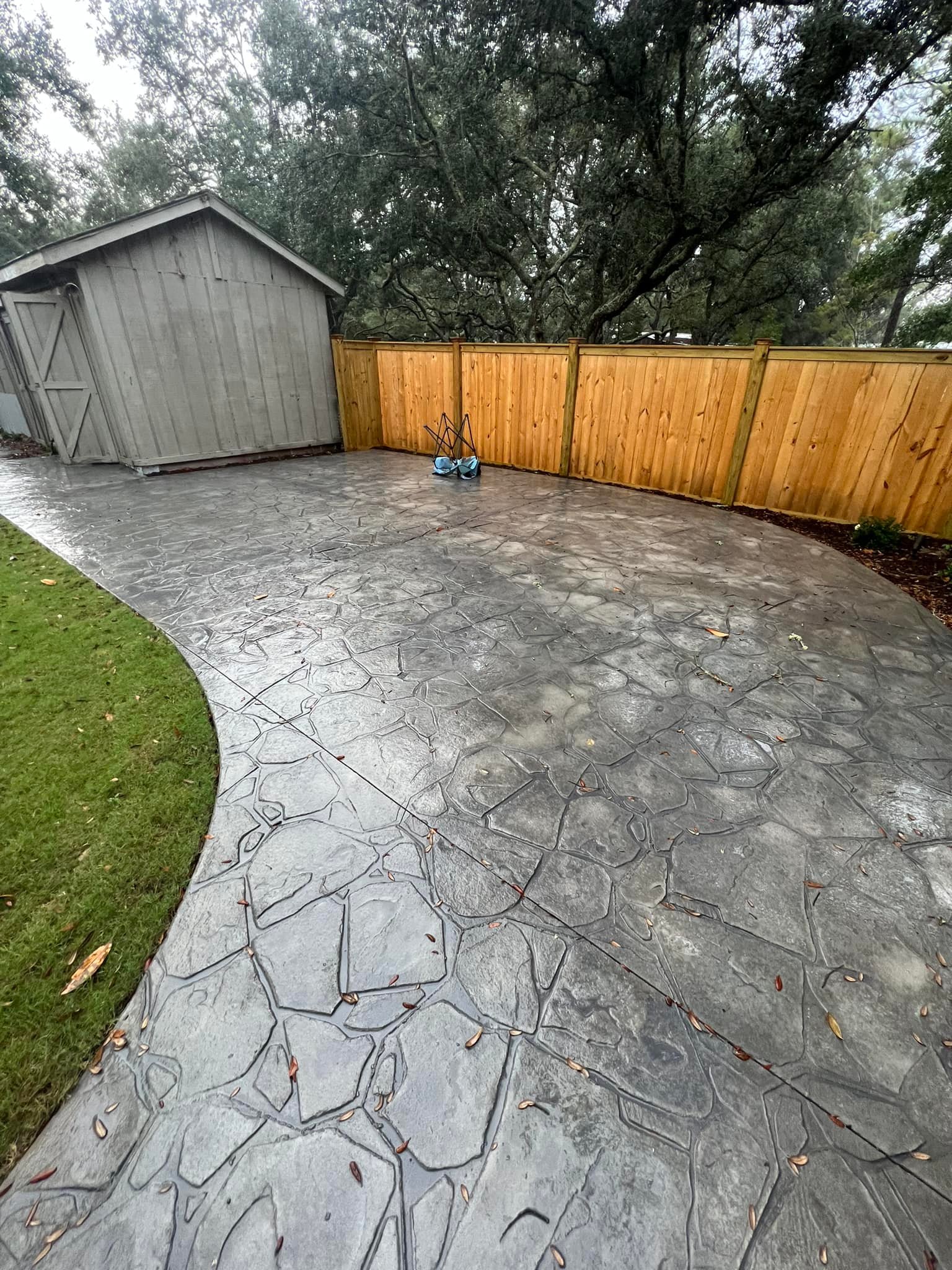
Stamped concrete remains a top choice for many projects. Using textured mats or molds, installers imprint patterns such as cobblestone, brick, slate, or wood grain into fresh concrete. These patterns can be combined with color hardeners or stains to create realistic and vibrant surfaces. The affordability and adaptability of stamped concrete allow it to be used widely in driveways, walkways, patios, and commercial plazas.
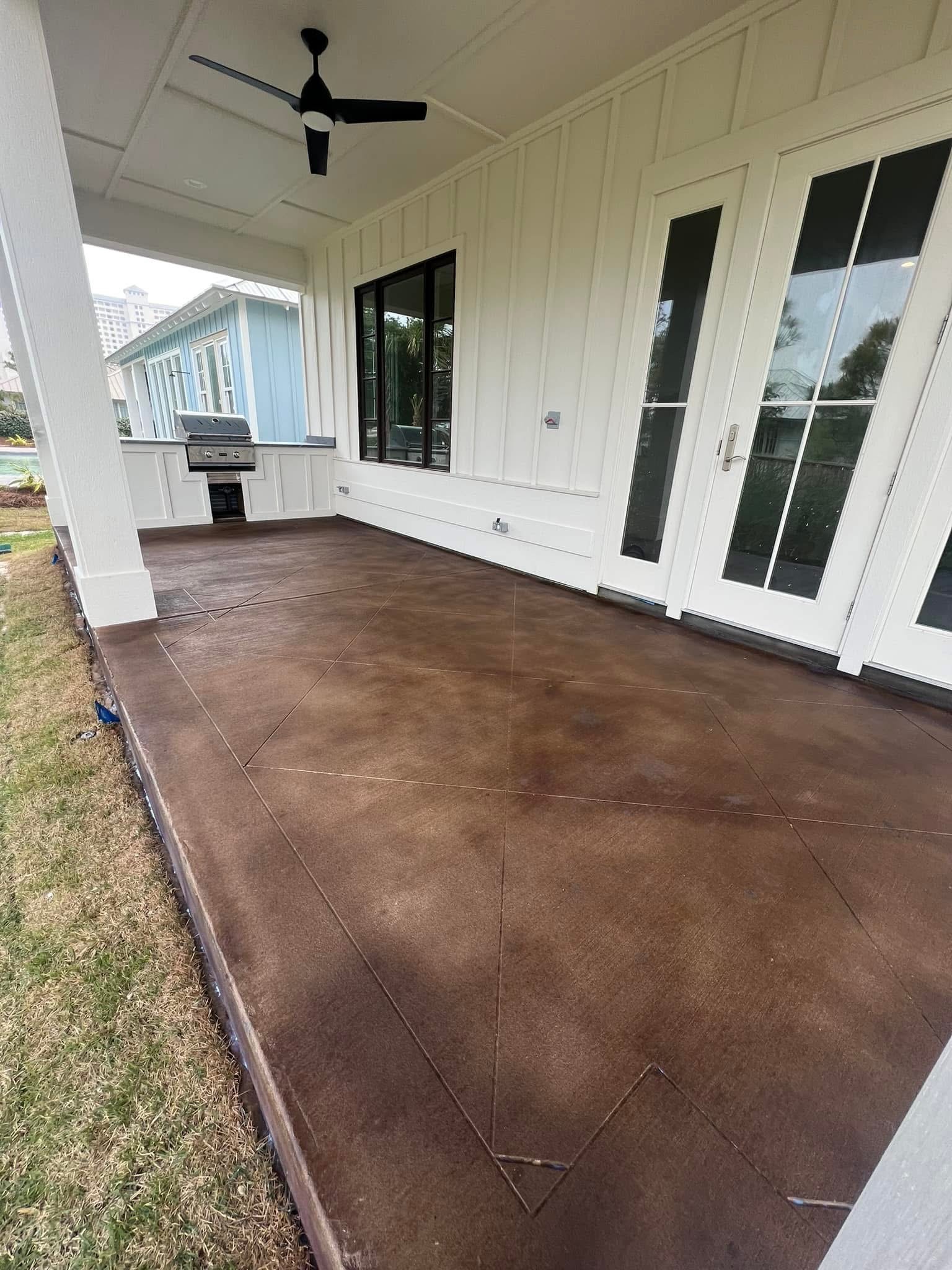
Staining concrete adds another layer of customization. Acid stains react chemically with the concrete to produce translucent, variegated colors that look natural and timeless. Water-based stains offer a broader color palette and environmental benefits. Stains penetrate the concrete rather than sitting on top, so the finish is highly durable and resists peeling or chipping. This technique is perfect for both interior and exterior floors that need to impress with subtle color variation.
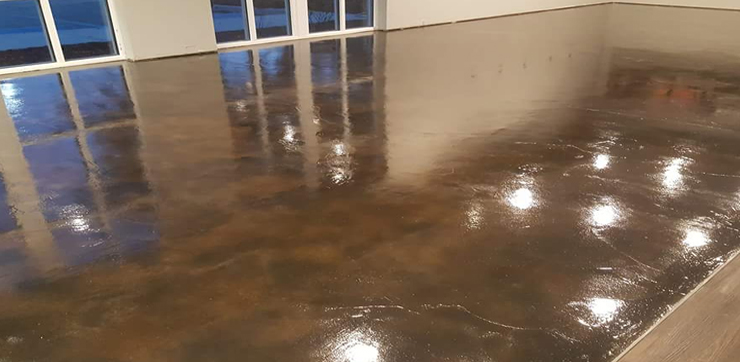
Polished concrete floors have gained momentum particularly in commercial interiors and upscale residential designs. Polishing involves grinding the concrete to a smooth, shiny finish using progressively finer abrasives. The process can also reveal decorative aggregates like quartz or glass embedded in the concrete, adding sparkle and depth. Polished concrete offers a modern, industrial look that is easy to clean and highly resistant to wear.
Overlays and microtoppings provide renovation options by applying thin layers of decorative material over existing concrete slabs. These can be customized with textures, colors, and patterns to refresh old or damaged floors and surfaces without the expense of complete replacement.
Other innovative techniques include stamping overlays (combining stamping and overlays for texture on existing concrete), stenciling (using reusable templates to apply patterns), and engraving (etching designs into hardened concrete). The endless variety ensures that decorative concrete can meet nearly any aesthetic vision.
The Enduring Benefits of Decorative Concrete
Beyond its visual appeal, decorative concrete is prized for numerous practical benefits.
Its durability is unmatched among many flooring and paving options. Concrete withstands heavy foot and vehicle traffic, temperature extremes, and impacts without cracking or chipping easily. Properly sealed decorative concrete resists moisture, stains, and UV damage, maintaining its beauty over many years.
Maintenance is minimal compared to natural stone, wood, or tile. Occasional cleaning and resealing keep decorative concrete looking fresh. Unlike wood decks, concrete won’t warp, rot, or attract pests. Unlike tiles, it doesn’t have grout lines that trap dirt or require repairs.
Cost-effectiveness is another major advantage. Decorative concrete can replicate high-end materials for a fraction of the price, making luxury looks more accessible. Installation timelines are often faster than natural stone or brick, and long-term durability reduces replacement costs.
From an environmental perspective, concrete can be made using recycled aggregates and supplementary cementitious materials, reducing its carbon footprint. Its thermal mass properties help regulate building temperatures, contributing to energy efficiency and sustainability goals.
Diverse Applications: From Residential Comfort to Commercial Functionality
The versatility of decorative concrete means it finds a home in an incredibly wide range of spaces.
In residential settings, it creates inviting outdoor environments that blend beauty and function. Patios become elegant extensions of living space with stamped or stained surfaces. Walkways gain charm and safety with textured patterns and slip-resistant finishes. Pool decks benefit from cool, durable, and attractive concrete treatments that stand up to water and sun. Inside, polished concrete floors provide a modern foundation that is easy to clean and hypoallergenic, ideal for families with children or pets.
In commercial environments, decorative concrete is essential for combining practicality with design impact. Retail plazas and shopping centers use stamped or stained concrete for pedestrian-friendly, visually cohesive landscapes. Restaurants and bars invest in decorative concrete patios and floors to create atmospheres that attract and retain customers. Office buildings leverage polished concrete floors and decorative entryways to present professionalism and style while reducing maintenance costs. Public spaces such as parks, museums, and airports rely on decorative concrete for long-lasting, accessible, and attractive surfaces.
Choosing the Right Decorative Concrete for Your Project
Selecting the best decorative concrete solution depends on various factors including budget, design preferences, usage requirements, and environmental conditions.
For high-traffic commercial spaces requiring maximum durability and easy maintenance, polished concrete floors are often the best fit. For outdoor patios and driveways where appearance and texture matter, stamped concrete provides an excellent blend of affordability and style. For homeowners seeking color customization and a natural look, staining offers rich possibilities.
It is important to work with experienced installers who understand local conditions and can recommend the right products and techniques. Proper preparation, installation, and sealing are key to ensuring longevity and beauty.
Looking Forward: The Future of Decorative Concrete
The future of decorative concrete looks bright with ongoing innovations in materials and methods. Advances in eco-friendly cement formulations, digital stamping, and 3D printing technology promise to expand creative options and reduce environmental impact. Smart concrete embedded with sensors may soon provide data on structural health and usage, integrating design with technology.
As architecture and landscape design continue to evolve, decorative concrete will remain a vital tool for crafting spaces that are not only functional but also engaging and beautiful.
Conclusion
Decorative concrete is much more than a building material—it is a medium for creativity, a symbol of durability, and a practical solution for enhancing living and working environments. Its rich history, wide range of techniques, and many benefits make it an indispensable choice in both residential and commercial design. Whether creating a cozy backyard retreat or an impressive commercial plaza, decorative concrete offers endless possibilities to transform ordinary spaces into extraordinary places.