Concrete is known for being strong and durable, but even well-installed concrete can eventually show signs of wear. Weather, water, shifting ground, heavy use, and everyday exposure can all take a toll over time.
The good news is that not every sign of damage means you need to completely replace your concrete. In many cases, identifying a problem early can give you more options for addressing it.
So, how do you know when your driveway, patio, walkway, pool deck, or other concrete surface needs attention?
Here are five signs worth watching.
1. Cracks Are Getting Larger
Small cracks can happen for a variety of reasons, and not every crack means there is a major problem. However, cracks that continue to grow, become wider, or appear in multiple areas deserve a closer look.
Concrete can crack because of changes in temperature, moisture, ground movement, improper installation, or stress placed on the surface. The location, size, and pattern of a crack can provide important clues about what may be happening underneath or around the concrete.
That is why simply filling a crack without understanding the cause may not always provide a long-term solution.
If you’ve noticed a crack that seems to be changing over time, it’s worth having the concrete evaluated before the problem gets worse.
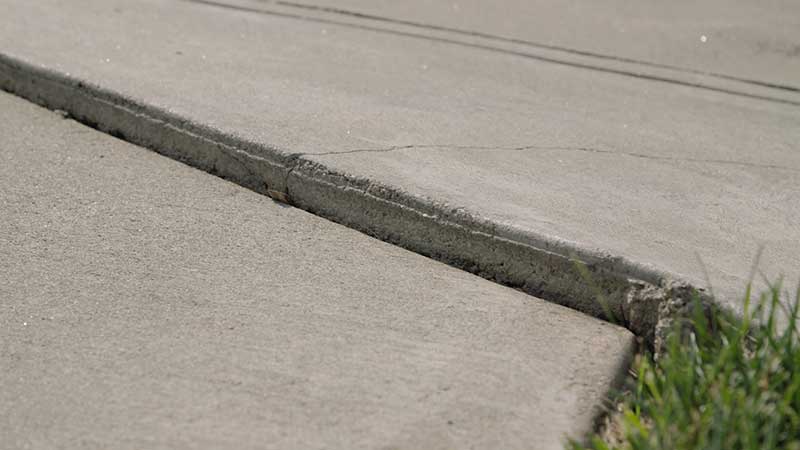
2. Your Concrete Is Uneven or Sinking
Have you noticed that part of your driveway or patio is no longer level?
Uneven concrete can be more than a cosmetic issue. Sections that sink or shift can create tripping hazards, interfere with drainage, and make an otherwise well-maintained property look neglected.
Water can also become a concern when a surface no longer slopes or drains as intended. Instead of flowing away from the area, water may collect near the foundation, along walkways, or in low spots.
The cause of the movement matters. Soil conditions, erosion, drainage problems, and other factors can contribute to settling.
Addressing the underlying issue is an important part of determining the right solution.
3. The Surface Is Chipping, Flaking, or Spalling
Concrete damage isn’t always a large crack.
Sometimes the problem begins right on the surface. You may notice small pieces breaking away, rough areas developing, or the top layer of the concrete beginning to deteriorate. This type of damage is often referred to as spalling or scaling.
There can be several causes, including moisture, weather exposure, improper installation, surface preparation issues, or other environmental factors.
Once the surface begins deteriorating, ignoring it may allow the affected area to continue spreading.
An evaluation can help determine how extensive the damage is and whether the surface can be repaired or if more extensive work is needed.
4. Water Is Pooling on the Surface
Concrete should be designed and installed with drainage in mind.
If you start noticing standing water after a rainstorm, it may indicate that something has changed or that the surface wasn’t draining properly in the first place.
Pooling water can contribute to deterioration and may become especially problematic when it repeatedly collects in the same location.
Water is also one of the biggest factors to consider when evaluating outdoor concrete. Moisture can affect the surface, surrounding soil, and areas near the foundation or other structures.
If your concrete consistently holds water instead of allowing it to drain away, don’t overlook it simply because the surface still looks intact.
5. Your Concrete Has Significant Wear and Fading
Not every concrete problem is structural.
Sometimes the first thing homeowners notice is that their concrete simply doesn’t look like it used to.
Years of sunlight, weather, foot traffic, vehicles, outdoor furniture, spills, and everyday use can affect the appearance of a concrete surface. Colors may fade, finishes may become less defined, and areas that once looked clean and polished can begin to look worn.
For decorative concrete, maintaining the appearance of the surface can be especially important.
Fortunately, cosmetic wear doesn’t automatically mean the entire surface needs to be removed. Depending on the condition of the concrete, there may be options for repair, restoration, or refinishing.
Not Every Problem Means Replacement
One of the biggest mistakes homeowners can make is assuming that damaged concrete automatically needs to be torn out and replaced.
Sometimes replacement is the right answer. However, it isn’t always the only option.
The appropriate solution depends on several factors, including the extent of the damage, the condition of the existing concrete, the cause of the problem, and what you want the finished space to accomplish.
That is why an evaluation is so valuable.
Rather than immediately planning for a complete replacement, have a professional take a closer look at the condition of the concrete.
Small Problems Can Become Bigger Problems
Concrete damage doesn’t always remain the same.
A small crack may expand. Water may continue finding its way into an area that isn’t draining properly. A section that has begun to settle may become increasingly uneven.
That doesn’t mean every minor imperfection requires immediate professional intervention. However, paying attention to changes in your concrete can help you identify potential problems before they become more extensive.
Regularly looking over your driveway, walkways, patio, pool deck, and other concrete surfaces is a simple way to stay ahead of noticeable deterioration.
The Right Solution Starts With the Right Diagnosis
There isn’t a single solution for every concrete problem.
Before deciding whether a surface needs a repair, restoration, or complete replacement, it’s important to understand what’s causing the damage.
Professional experience can make a significant difference here.
At ProCon Decorative Concrete, we understand that homeowners want concrete that looks great and performs well. Whether you’re dealing with visible damage or simply have concerns about the condition of an existing surface, taking the time to evaluate the problem can help you make a more informed decision.
Don’t automatically replace it. Find out what your concrete actually needs.
When your concrete starts showing signs of trouble, ProCon is ready to help you determine the next step.